White House Conference on Small Business Act of 2025
Summary
What This Bill Does
The White House Conference on Small Business Act updates the old White House Conference on Small Business Authorization Act. It resets deadlines so the President may convene the National Conference between December 31, 2025 and December 1, 2026, with earlier planning dates tied to October 1, 2025. It changes the conference purpose from simply identifying problems to identifying and prioritizing problems affecting small businesses, maintaining and expanding small business in the economy, and evaluating SBA and other federal small-business assistance programs with recommendations for improvement. It raises a participant amount from $10 to $200 and requires National Conference participants to be selected as delegates by a State conference and a regional meeting and to be an owner, officer, or employee of a small business. It authorizes SBA, after General Counsel consultation, to sponsor or cosponsor activities with for-profit entities, nonprofits, State or local officials, or State or local government entities, with recognition that is not an SBA endorsement. It funds authorized activities only through amounts provided in advance in appropriations acts from collected amounts, and allows the Commission, SBA, and GSA to solicit and accept non-federal gifts through section 501(c)(3) agreements unless the SBA Inspector General determines a conflict of interest. Unobligated amounts after the conference go to the Treasury. State includes States, D.C., Puerto Rico, and other U.S. territories or possessions.
Who Benefits and How
Small business owners benefit because the conference is designed to prioritize their problems and recommend improvements to federal assistance programs. State conference delegates and regional delegates benefit from a structured path into the National Conference. SBA and other federal small-business program managers benefit from feedback on assistance programs. Eligible nonprofit, for-profit, State, and local cosponsors benefit from recognized participation in small-business activities.
Who Bears the Burden and How
The President, SBA, GSA, and the conference Commission must organize the conference, manage delegates, collect fees or gifts, and avoid conflicts. SBA General Counsel and Inspector General staff must review cosponsorship and gift issues. Small business delegates may pay higher participation amounts. Donors and cosponsors must accept that recognition is not an SBA endorsement and that conflict findings can block gifts.
Key Provisions
- Reauthorizes a White House Conference on Small Business for the 2025-2026 period.
- Requires the conference to prioritize small-business problems and evaluate SBA and federal assistance programs.
- Limits National Conference participation to small-business delegates selected through State and regional processes.
- Authorizes SBA sponsorship or cosponsorship of small-business activities with eligible entities.
- Provides funding through collected amounts and non-federal gifts subject to conflict-of-interest review.
Evidence Chain:
This summary is generated from the full bill text using AI analysis. Expand "Detailed Analysis" below for identified beneficiaries/burden bearers with clause-level evidence links.
At a Glance
What This Bill Does
Reauthorizes a White House Conference on Small Business for 2025-2026, updates conference purposes to prioritize problems affecting small businesses and evaluate SBA and other federal small-business assistance programs, revises delegate rules and fees, authorizes SBA cosponsorship of recognition events and other activities with eligible entities, and funds activities through collected amounts and non-federal gifts subject to conflict-of-interest review.
Key Policy Areas
Small Business, SBA, Government Operations
Primary Purpose
Reauthorizes a White House Conference on Small Business for 2025-2026, updates conference purposes to prioritize problems affecting small businesses and evaluate SBA and other federal small-business assistance programs, revises delegate rules and fees, authorizes SBA cosponsorship of recognition events and other activities with eligible entities, and funds activities through collected amounts and non-federal gifts subject to conflict-of-interest review.
Policy Domains
Substantive provisions
Identified Gains
- Small business owners
- State conference delegates
- Regional delegates
- SBA program managers
- Eligible cosponsors
Identified Costs
- President
- Small Business Administration staff
- General Services Administration staff
- Conference Commission staff
- SBA Inspector General staff
- Small business delegates
Sponsors


Legislative Progress
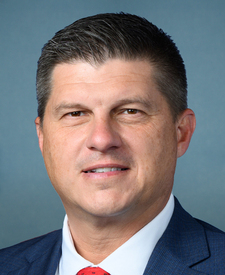
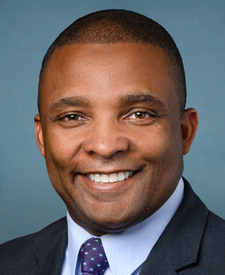
In CommitteeMr. Finstad (for himself and Mr. Davis of North Carolina) …
Referred to the House Committee on Small Business.
Introduced in House
Stakeholder Effects
cui bono?How this legislation distributes effects. Mention counts reflect frequency, not effect magnitude.
Conference Commission staff, General Services Administration staff, SBA General Counsel staff
Positive-direction: SBA General Counsel staff, Treasury general fund
Negative-direction: Conference Commission staff, General Services Administration staff, Small Business Administration staff
Eligible cosponsors, Puerto Rico small businesses, Small business owners
Bill Structure & Actor Mappings
Who is "The Secretary" in each section?
We use a combination of our own taxonomy and classification in addition to large language models to assess meaning and potential beneficiaries. High confidence means strong textual evidence. Always verify with the original bill text.
Learn more about our methodology