Shadow Docket Sunlight Act of 2025
Summary
What This Bill Does
The Shadow Docket Sunlight Act adds section 2285 to title 28. In cases within the Supreme Court appellate jurisdiction, the Court, an individual justice, or a set of justices may not grant, deny, or vacate preliminary injunctive relief, or grant, deny, or vacate a stay of preliminary injunctive relief, unless the Court publishes a written explanation of reasons and indicates how each participating justice voted. For injunction orders, the written explanation must address likelihood of success, irreparable harm, balance of equities, and public interest. For stay orders, the explanation must address likelihood of certiorari, likelihood of reversal, irreparable harm, and balance of equities. The bill states that the requirements create no new jurisdiction or right of appeal. It also requires the Director of the Federal Judicial Center to report to Congress every two years on Supreme Court compliance and recommendations for improvement.
Who Benefits and How
Litigants benefit from knowing the reasoning and vote split behind emergency injunction or stay decisions. Lower courts, lawyers, legal researchers, journalists, and the public benefit from greater transparency about emergency Supreme Court orders. Congress benefits from Federal Judicial Center compliance assessments. Government agencies and private parties affected by emergency orders benefit from clearer criteria applied to their cases.
Who Bears the Burden and How
Supreme Court justices and Court staff must prepare written explanations and disclose votes for covered orders, which can slow emergency docket work. Federal Judicial Center staff must monitor compliance and produce biennial reports. Litigants may need to brief the specified factors more carefully because the Court must address them. Court administrators may need procedures for publication and vote disclosure.
Key Provisions
- Requires written explanations before the Supreme Court grants, denies, or vacates covered preliminary injunction or stay orders.
- Requires disclosure of how each participating justice voted on covered emergency orders.
- Mandates specific factor analysis for preliminary injunction orders and stay orders.
- Clarifies that the bill does not create new jurisdiction or appellate rights.
- Requires Federal Judicial Center reports to Congress every two years on compliance and recommendations.
Evidence Chain:
This summary is generated from the full bill text using AI analysis. Expand "Detailed Analysis" below for identified beneficiaries/burden bearers with clause-level evidence links.
At a Glance
What This Bill Does
Requires the Supreme Court to publish written explanations and justice vote disclosures for orders granting, denying, or vacating preliminary injunctions or stays of preliminary injunctions, and requires biennial Federal Judicial Center compliance reports to Congress.
Key Policy Areas
Judiciary, Government Transparency, Civil Procedure
Primary Purpose
Requires the Supreme Court to publish written explanations and justice vote disclosures for orders granting, denying, or vacating preliminary injunctions or stays of preliminary injunctions, and requires biennial Federal Judicial Center compliance reports to Congress.
Policy Domains
Substantive provisions
Identified Gains
- Litigants
- Lower courts
- Legal researchers
- Journalists
- Congressional oversight committees
Identified Costs
- Supreme Court justices
- Supreme Court staff
- Federal Judicial Center staff
- Litigation counsel
Sponsors
Legislative Progress
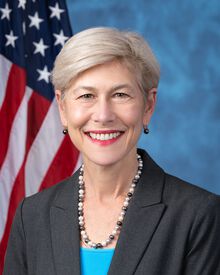
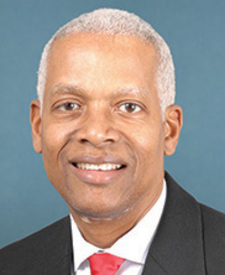
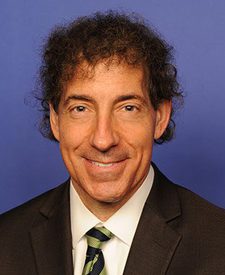
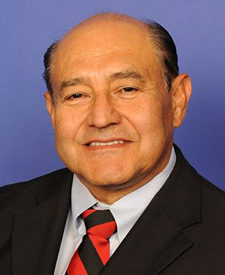
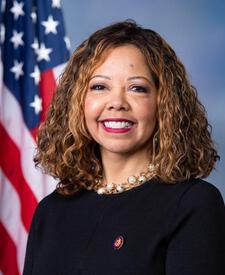
In CommitteeMs. Ross (for herself, Mr. Raskin, Mr. Johnson of Georgia, …
Referred to the House Committee on the Judiciary.
Introduced in House
Stakeholder Effects
cui bono?How this legislation distributes effects. Mention counts reflect frequency, not effect magnitude.
Congressional oversight committees, Federal Judicial Center staff, Supreme Court justices
Positive-direction: Congressional oversight committees
Negative-direction: Federal Judicial Center staff, Supreme Court justices, Supreme Court staff
Appellate litigation counsel, Journalists, Litigants
Positive-direction: Journalists, Litigants
Negative-direction: Appellate litigation counsel
Bill Structure & Actor Mappings
Who is "The Secretary" in each section?
We use a combination of our own taxonomy and classification in addition to large language models to assess meaning and potential beneficiaries. High confidence means strong textual evidence. Always verify with the original bill text.
Learn more about our methodology