CLEAR Act of 2025
Summary
What This Bill Does
The CLEAR Act lets HUD, in consultation with FEMA, Commerce, and Interior, make grants to States, territories, and Indian Tribes that establish or plan to establish a resilience office. To qualify, the office must develop and update a resiliency framework at least every 5 years in consultation with vulnerable and impacted communities. The framework must identify current and projected risks and vulnerabilities from extreme weather and other challenges across environmental and natural hazards, the economy and workforce, infrastructure, health and social services, and housing. Grant uses include programming to address those risks, technical assistance to local governments, coordination among agencies, and pre-disaster mitigation. The current analysis describes the authorization as $100 million annually for fiscal years 2025 through 2030.
Who Benefits and How
States, territories, and Indian Tribes benefit because grant funding can support dedicated resilience offices and long-range planning. Vulnerable and impacted communities benefit because the resiliency framework must be developed in consultation with them and must address housing, health, infrastructure, workforce, and environmental risks. Local governments benefit from technical assistance and coordination. FEMA, Commerce, Interior, and HUD benefit from more organized State, territorial, and Tribal resilience counterparts.
Who Bears the Burden and How
HUD grant administrators must consult partner agencies, make awards, and monitor eligible uses. States, territories, and Indian Tribes must establish or maintain resilience offices, update frameworks at least every 5 years, consult vulnerable communities, and implement programming. Local governments may need to coordinate with new resilience offices and align mitigation plans. Federal taxpayers fund the grant program and oversight.
Key Provisions
- Authorizes HUD resilience-office grants for States, territories, and Indian Tribes.
- Requires eligible recipients to establish or maintain offices responsible for resilience issues.
- Requires resiliency frameworks updated at least every 5 years with vulnerable-community consultation.
- Provides support for programming on environmental, economic, infrastructure, health, social-service, and housing risks.
- Requires HUD consultation with FEMA, Commerce, and Interior in administering grants.
Evidence Chain:
This summary is generated from the full bill text using AI analysis. Expand "Detailed Analysis" below for identified beneficiaries/burden bearers with clause-level evidence links.
At a Glance
What This Bill Does
Authorizes HUD resilience-office grants for States, territories, and Indian Tribes that establish offices responsible for resilience frameworks updated at least every 5 years, programming for environmental, economic, infrastructure, health, social-service, and housing risks, and technical assistance to local governments and vulnerable communities.
Key Policy Areas
Housing, Disaster Resilience, State & Local Government, Tribal Nations
Primary Purpose
Authorizes HUD resilience-office grants for States, territories, and Indian Tribes that establish offices responsible for resilience frameworks updated at least every 5 years, programming for environmental, economic, infrastructure, health, social-service, and housing risks, and technical assistance to local governments and vulnerable communities.
Policy Domains
Substantive provisions
Identified Gains
- States
- Territories
- Indian Tribes
- Vulnerable communities
- Local governments
Identified Costs
- HUD grant administrators
- State resilience offices
- Territorial resilience offices
- Tribal resilience offices
- Federal taxpayers
Sponsors
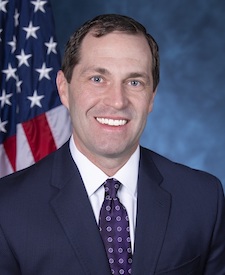

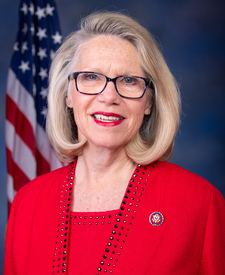
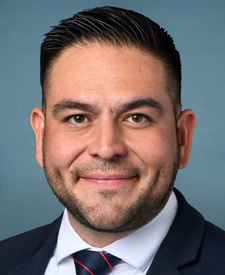
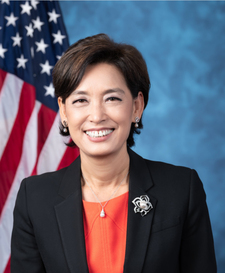
Legislative Progress
In CommitteeMr. Crow (for himself, Mrs. Kim, Mr. Vasquez, and Mrs. …
Referred to the House Committee on Financial Services.
Introduced in House
Stakeholder Effects
cui bono?How this legislation distributes effects. Mention counts reflect frequency, not effect magnitude.
Bill Structure & Actor Mappings
Who is "The Secretary" in each section?
- "agencies"
- → ['Department of Housing and Urban Development', 'Federal Emergency Management Agency', 'Department of Commerce', 'Department of the Interior']
- "affected_groups"
- → ['States', 'Territories', 'Indian Tribes', 'Vulnerable communities', 'Local governments', 'Federal taxpayers']
We use a combination of our own taxonomy and classification in addition to large language models to assess meaning and potential beneficiaries. High confidence means strong textual evidence. Always verify with the original bill text.
Learn more about our methodology