Databases of Publicly Owned Land Act
Summary
What This Bill Does
The Databases of Publicly Owned Land Act amends the Housing and Community Development Act of 1974. Beginning October 1, 2026, a Community Development Block Grant grantee must maintain a publicly accessible website with a searchable database identifying all parcels of undeveloped land owned by the grantee. Because CDBG funds often flow to cities, counties, and other local governments for housing and community development, the bill ties federal grant eligibility to better public inventory of unused public land that could matter for affordable housing, community facilities, or redevelopment planning.
Who Benefits and How
Affordable-housing developers, community development organizations, land banks, and the general public benefit because publicly owned undeveloped parcels become easier to identify. Residents and watchdog groups benefit from more transparent local land inventories. CDBG grantees may benefit over time from better internal land records and fewer ad hoc public-information requests. Local housing planners benefit because searchable parcel data can support housing-production and redevelopment decisions.
Who Bears the Burden and How
CDBG grantees must create or maintain a public searchable database by October 1, 2026 and keep it updated enough to identify all undeveloped land parcels they own. Local government technology staff must publish parcel data on a public website. HUD grant administrators must incorporate the database condition into CDBG oversight. Grantees that do not comply risk CDBG eligibility or compliance findings. Federal taxpayers fund HUD monitoring and any related technical assistance.
Key Provisions
- Requires CDBG grantees to maintain a public searchable database of undeveloped land they own.
- Conditions federal community-development grant compliance on website publication of parcel data.
- Provides an October 1, 2026 effective date for the new database requirement.
- Supports affordable-housing and redevelopment planning by exposing public land inventories.
Evidence Chain:
This summary is generated from the full bill text using AI analysis. Expand "Detailed Analysis" below for identified beneficiaries/burden bearers with clause-level evidence links.
At a Glance
What This Bill Does
Conditions Community Development Block Grant eligibility on grantees maintaining a publicly accessible searchable website database of all undeveloped land parcels they own, effective October 1, 2026.
Key Policy Areas
Housing, Community Development, Government Transparency, Local Government
Primary Purpose
Conditions Community Development Block Grant eligibility on grantees maintaining a publicly accessible searchable website database of all undeveloped land parcels they own, effective October 1, 2026.
Policy Domains
Substantive provisions
Identified Gains
- Affordable-housing developers
- Community development organizations
- Land banks
- Residents
- Local housing planners
Identified Costs
- CDBG grantees
- Local government technology staff
- HUD grant administrators
- Federal taxpayers
Sponsors
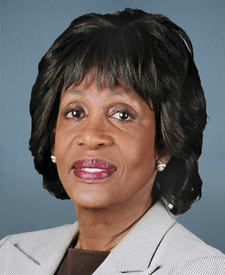
Maxine Waters
D-CA | Primary Sponsor

Legislative Progress
In CommitteeMs. Waters introduced the following bill; which was referred to …
Referred to the House Committee on Financial Services.
Introduced in House
Stakeholder Effects
cui bono?How this legislation distributes effects. Mention counts reflect frequency, not effect magnitude.
Bill Structure & Actor Mappings
Who is "The Secretary" in each section?
- "agencies"
- → ['Department of Housing and Urban Development']
- "programs"
- → ['Community Development Block Grant program']
- "affected_groups"
- → ['CDBG grantees', 'Affordable-housing developers', 'Community development organizations', 'Residents']
We use a combination of our own taxonomy and classification in addition to large language models to assess meaning and potential beneficiaries. High confidence means strong textual evidence. Always verify with the original bill text.
Learn more about our methodology