Safe Passages Act of 2025
Summary
What This Bill Does
The Safe Passages Act establishes a global maternal and child health initiative aimed at preventable deaths in low- and lower-middle-income countries with high mortality rates through fiscal year 2030. It emphasizes faith-based health partnerships, community-based care, collaboration with national health systems, and training or resource assistance for hemorrhage, preeclampsia, infections, obstructed labor, newborn asphyxia, birth trauma, growth restriction, premature birth, neonatal infections, maternal nutrition, and care during the first 1,000 days from conception to age two. It amends the Foreign Assistance Act so maternal and child health aid prioritizes those interventions, supports fathers, promotes natural fertility-awareness methods, and may not be used for abortion or abortion-related services. It also requires biennial reports on trainings, cadres trained, curricula, pre- and post-training assessments, private-industry and foreign-government co-investment, sustainability plans, facility upgrades, revolving capital funds, morbidity and mortality data, regions served, lives saved estimates, and compliance with foreign-assistance restrictions.
Who Benefits and How
Pregnant women, newborns, infants, fathers, and families in high-mortality eligible countries benefit because the program targets practical causes of maternal and child death: hemorrhage, hypertension, sepsis, obstructed labor, neonatal resuscitation, nutrition, and first-1,000-days care. Midwives, physicians, nurse practitioners, community health workers, pharmacists, laboratory technicians, and birth attendants benefit from training, equipment, and facility upgrades. Faith-based and community health partners benefit from a named federal initiative that can support their maternal and child health work. Foreign health systems benefit from co-investment and sustainability planning tied to improved maternal and infant outcomes.
Who Bears the Burden and How
The Department of State must administer the initiative, align funding with the Safe Passages priorities, monitor abortion-related restrictions, and produce biennial oversight reports. Implementing partners must document training content, test results, co-investments, sustainability plans, facility upgrades, mortality data, lives-saved estimates, and compliance. Abortion-related service providers are excluded from assistance funded under this program. Foreign governments and private industry participants must track and report co-investment commitments. Federal taxpayers fund the foreign-assistance spending and oversight workload.
Key Provisions
- Establishes the Safe Passages Maternal and Child Health Program through fiscal year 2030.
- Provides training and resource assistance for obstetric hemorrhage, preeclampsia, infections, obstructed labor, neonatal complications, nutrition, and first-1,000-days care.
- Requires Foreign Assistance Act maternal and child health aid to prioritize Safe Passages interventions.
- Restricts program funds from abortion or abortion-related services and promotes natural fertility-awareness methods.
- Requires biennial State Department reports on trainings, facility upgrades, co-investments, mortality outcomes, lives saved, and compliance.
Evidence Chain:
This summary is generated from the full bill text using AI analysis. Expand "Detailed Analysis" below for identified beneficiaries/burden bearers with clause-level evidence links.
At a Glance
What This Bill Does
Creates the Safe Passages Maternal and Child Health Program through fiscal year 2030 for low- and lower-middle-income countries with high maternal and child mortality, prioritizing obstetric emergency training, maternal nutrition, first-1,000-days care, father support, natural fertility-awareness methods, and biennial State Department reporting while barring abortion-related uses of funds.
Key Policy Areas
Foreign Assistance, Maternal Health, Child Health, Global Health
Primary Purpose
Creates the Safe Passages Maternal and Child Health Program through fiscal year 2030 for low- and lower-middle-income countries with high maternal and child mortality, prioritizing obstetric emergency training, maternal nutrition, first-1,000-days care, father support, natural fertility-awareness methods, and biennial State Department reporting while barring abortion-related uses of funds.
Policy Domains
Substantive provisions
Identified Gains
- Pregnant women in high-mortality countries
- Newborns
- Infants
- Fathers
- Midwives
- Community health workers
- Faith-based health partners
Identified Costs
- Department of State program staff
- Implementing partners
- Abortion-related service providers
- Foreign governments receiving assistance
- Federal taxpayers
Sponsors

Legislative Progress
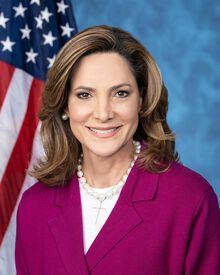
In CommitteeMr. Smith of New Jersey (for himself and Ms. Salazar) …
Referred to the House Committee on Foreign Affairs.
Introduced in House
Stakeholder Effects
cui bono?How this legislation distributes effects. Mention counts reflect frequency, not effect magnitude.
Abortion-related service providers excluded from assistance, Maternal and child health providers in eligible countries, Maternal and child health providers supported under Safe Passages priorities
Positive-direction: Maternal and child health providers in eligible countries, Maternal and child health providers supported under Safe Passages priorities
Negative-direction: Abortion-related service providers excluded from assistance
Women and children in high-mortality countries
Bill Structure & Actor Mappings
Who is "The Secretary" in each section?
- "agencies"
- → ['Department of State']
- "programs"
- → ['Safe Passages Maternal and Child Health Program', 'Foreign Assistance Act maternal and child health assistance']
- "affected_groups"
- → ['Pregnant women', 'Newborns', 'Infants', 'Fathers', 'Midwives', 'Community health workers', 'Abortion-related service providers']
We use a combination of our own taxonomy and classification in addition to large language models to assess meaning and potential beneficiaries. High confidence means strong textual evidence. Always verify with the original bill text.
Learn more about our methodology