Restore Trust in Government Act
Summary
What This Bill Does
This bill adds a new subchapter to title 5 restricting covered investments by Members of Congress, the President, the Vice President, their spouses and dependent children, and certain trusts. Covered individuals generally may not directly or indirectly purchase, own, or trade covered investments, must divest existing holdings by 180 days after enactment or 90 days after becoming covered, and can use Internal Revenue Code conflict-of-interest divestiture treatment. Violators must pay a fee equal to 10 percent of the value of the covered investment and disgorge transaction profits, with congressional office and campaign funds barred from paying the penalties.
Who Benefits and How
Voters, ethics watchdog organizations, public integrity advocates, and taxpayers benefit from a clearer conflict-of-interest guardrail for federal elected officers and close family investment activity. Covered officers who divest may benefit from tax treatment tied to federal conflict-of-interest divestiture rules.
Who Bears the Burden and How
Congressional officers, executive branch officers, dependent family members, trust managers, and supervising ethics offices must comply with the ownership ban, divestment deadlines, penalty administration, and profit-disgorgement rules. Trust managers may need to restructure portfolios, and covered officers must pay penalties personally rather than using congressional office accounts or campaign funds.
Key Provisions
- Adds title 5 definitions for commodities, covered individuals, covered investments, diversified funds, and qualified trusts.
- Prohibits covered officials and family members from directly or indirectly owning or trading covered investments.
- Requires divestment within 180 days for current covered individuals and within 90 days for later-covered individuals.
- Provides federal conflict-of-interest tax treatment for required divestitures.
- Requires violators to pay a 10 percent fee and disgorge profits without using congressional office or campaign funds.
Evidence Chain:
This summary is generated from the full bill text using AI analysis. Expand "Detailed Analysis" below for identified beneficiaries/burden bearers with clause-level evidence links.
At a Glance
What This Bill Does
Ban Members of Congress, the President, the Vice President, covered family members, and covered trusts from owning or trading covered investments, require divestment, and impose ethics penalties for violations.
Key Policy Areas
Government Ethics, Financial Services, Tax
Primary Purpose
Ban Members of Congress, the President, the Vice President, covered family members, and covered trusts from owning or trading covered investments, require divestment, and impose ethics penalties for violations.
Policy Domains
Substantive provisions
Identified Gains
- Voters
- Ethics watchdog organizations
- Public integrity advocates
- Taxpayers
Identified Costs
- Congressional officers
- Executive branch officers
- Dependent family members
- Trust managers
- Supervising ethics offices
Sponsors
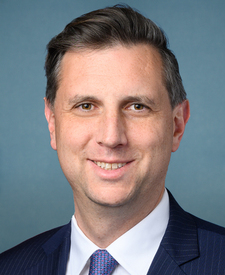

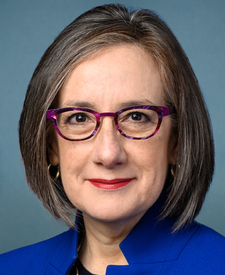
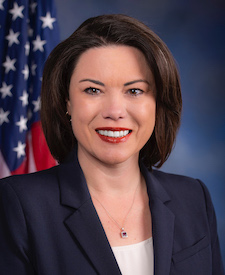

Legislative Progress
In CommitteeMr. Magaziner (for himself, Ms. Jayapal, Mr. Morelle, Mr. Jeffries, …
Referred to the Committee on Oversight and Government Reform, and …
Introduced in House
Stakeholder Effects
cui bono?How this legislation distributes effects. Mention counts reflect frequency, not effect magnitude.
Covered officials using divestiture tax treatment, Covered officials violating investment restrictions, Members of Congress divesting covered investments
Positive-direction: Covered officials using divestiture tax treatment, U.S. Treasury receiving disgorged profits
Negative-direction: Covered officials violating investment restrictions, Members of Congress divesting covered investments, Members of Congress holding covered investments, Members of Congress subject to investment definitions, President and Vice President holding covered investments, Supervising ethics offices administering penalties, Supervising ethics offices applying definitions
Dependent children of covered officials, Spouses of covered officials, Spouses of covered officials divesting investments
Positive-direction: Voters seeking conflict safeguards
Negative-direction: Dependent children of covered officials, Spouses of covered officials, Spouses of covered officials divesting investments
Bill Structure & Actor Mappings
Who is "The Secretary" in each section?
- "Beneficiaries"
- → ['Voters', 'Organizations', 'Advocates', 'Taxpayers']
- "Administrators"
- → ['Supervising ethics offices']
- "Covered persons"
- → ['Congressional officers', 'Executive branch officers', 'Family members', 'Trust managers']
Key Definitions
Terms defined in this bill
We use a combination of our own taxonomy and classification in addition to large language models to assess meaning and potential beneficiaries. High confidence means strong textual evidence. Always verify with the original bill text.
Learn more about our methodology