Automatic IRA Act of 2025
Summary
What This Bill Does
This bill builds a national automatic IRA and automatic contribution framework in the Internal Revenue Code. It defines automatic contribution plans and automatic IRA arrangements, requires eligible employers to maintain or facilitate them, imposes a $10 per employee per day penalty tax for noncompliance subject to caps and exemptions, directs Treasury to provide guidance and advisory structures, creates a $500 annual credit for eligible small employers during a three-year credit period, and preempts State laws that prohibit or restrict automatic IRAs while preserving qualified State auto-IRA programs enacted before 2028.
Who Benefits and How
Workers without employer-sponsored retirement plans benefit from payroll-deduction access and automatic enrollment into retirement savings unless they opt out. Small employers can receive a $500 annual tax credit to offset automatic IRA startup costs, while IRA custodians, trustees, payroll processors, and retirement service providers gain new account and administration opportunities.
Who Bears the Burden and How
Employers with more than 10 employees that do not already offer a qualifying retirement plan must set up or facilitate an automatic arrangement, provide notices, follow default contribution, fee, investment, and lifetime income rules, and risk a $10 per day per employee excise tax for failures. Treasury and IRS administrators must issue guidance, certification processes, penalty administration, and coordination rules; States that try to restrict automatic IRAs after the protected window lose some authority.
Key Provisions
- Requires eligible employers to maintain or facilitate automatic contribution plans or automatic IRA arrangements.
- Creates a $10 per employee per day penalty tax for covered employer failures, with exemptions and caps.
- Provides a $500 annual tax credit for eligible small employers during the first three years of an automatic IRA arrangement.
- Protects workers through payroll-deduction default enrollment with opt-out rights.
- Preempts State restrictions on automatic IRAs while preserving qualified State auto-IRA programs enacted before 2028.
Evidence Chain:
This summary is generated from the full bill text using AI analysis. Expand "Detailed Analysis" below for identified beneficiaries/burden bearers with clause-level evidence links.
At a Glance
What This Bill Does
Require most employers without qualified retirement plans to maintain or facilitate automatic contribution arrangements, create a $500 small-employer auto-IRA tax credit, and preempt conflicting State restrictions.
Key Policy Areas
Retirement, Tax, Labor, Financial Services
Primary Purpose
Require most employers without qualified retirement plans to maintain or facilitate automatic contribution arrangements, create a $500 small-employer auto-IRA tax credit, and preempt conflicting State restrictions.
Policy Domains
Substantive provisions
Identified Gains
- Workers without employer retirement plans
- Small employers
- IRA custodians
- Payroll processing companies
- Retirement service providers
Identified Costs
- Employers without qualified retirement plans
- Department of the Treasury
- Internal Revenue Service
- States regulating payroll deduction savings programs
Sponsors
Legislative Progress
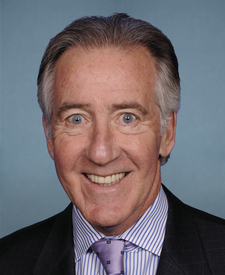
In CommitteeMr. Neal introduced the following bill; which was referred to …
Referred to the House Committee on Ways and Means.
Introduced in House
Stakeholder Effects
cui bono?How this legislation distributes effects. Mention counts reflect frequency, not effect magnitude.
Employers using automatic IRA arrangements, Employers without compliant automatic IRA arrangements, Employers without qualified retirement plans
Positive-direction: Employers using automatic IRA arrangements, Workers without employer retirement plans
Negative-direction: Employers without compliant automatic IRA arrangements, Employers without qualified retirement plans
Department of the Treasury, Government employers, Internal Revenue Service credit administrators
Positive-direction: Government employers
Negative-direction: Department of the Treasury, Internal Revenue Service credit administrators, Internal Revenue Service penalty administrators
Small employers facilitating automatic IRA arrangements, Small employers with 10 or fewer employees
States seeking new auto-IRA restrictions after 2027, States with qualified auto-IRA programs
Positive-direction: States with qualified auto-IRA programs
Negative-direction: States seeking new auto-IRA restrictions after 2027
Bill Structure & Actor Mappings
Who is "The Secretary" in each section?
- "Workers"
- → ['Workers without employer retirement plans']
- "Employers"
- → ['Small employers', 'Employers without qualified retirement plans']
- "Government"
- → ['Department of the Treasury', 'Internal Revenue Service', 'States']
- "Financial firms"
- → ['IRA custodians', 'Payroll processing companies', 'Retirement service providers']
Key Definitions
Terms defined in this bill
We use a combination of our own taxonomy and classification in addition to large language models to assess meaning and potential beneficiaries. High confidence means strong textual evidence. Always verify with the original bill text.
Learn more about our methodology