Protect Veteran Students, Job Seekers, and Entrepreneurs Housing Act
Summary
What This Bill Does
This bill adds a Servicemembers Civil Relief Act housing protection for veterans, service members, spouses, and children who receive VA or military education assistance. Residential property managers and landlords must treat covered education assistance as income when deciding whether the person has enough income for a residential lease, and the lease period must not exceed the remaining months of education-benefit entitlement. The bill also creates penalties for knowing violations and gives covered beneficiaries 60 days of notice before education benefits can be terminated for a single program-requirement failure.
Who Benefits and How
Veterans using VA education assistance, students using GI Bill-style benefits, service members using military education benefits, and families using survivor education benefits receive stronger access to rental housing because their education assistance must count toward lease eligibility. Those beneficiaries also receive protection against sudden benefit loss when one missed appointment, class withdrawal, employment loss, dependent-status event, or similar requirement failure occurs.
Who Bears the Burden and How
Residential property managers and housing program administrators must change lease underwriting to count covered education assistance as income, cap the lease term at remaining entitlement months, and avoid knowing violations that can bring exclusion from federally assisted rental housing programs, criminal fines, or imprisonment. Department of Veterans Affairs benefit administrators must notify covered beneficiaries and wait 60 days before terminating benefits in the covered single-failure cases.
Key Provisions
- Requires residential property managers to treat VA and military education assistance as income for lease qualification.
- Limits covered lease periods to the months of education-benefit entitlement remaining for the tenant.
- Bars knowing violators from covered federally assisted rental housing programs and exposes them to criminal penalties.
- Protects covered education beneficiaries with notice and a 60-day grace period before benefit termination for one program-requirement failure.
Evidence Chain:
This summary is generated from the full bill text using AI analysis. Expand "Detailed Analysis" below for identified beneficiaries/burden bearers with clause-level evidence links.
At a Glance
What This Bill Does
Require residential property managers to count covered VA education benefits as income for leases and give VA education beneficiaries a 60-day notice period before benefits terminate for a single program-requirement failure.
Key Policy Areas
Veterans, Housing, Education
Primary Purpose
Require residential property managers to count covered VA education benefits as income for leases and give VA education beneficiaries a 60-day notice period before benefits terminate for a single program-requirement failure.
Policy Domains
Substantive provisions
Identified Gains
- Veterans using VA education assistance
- Students using GI Bill-style benefits
- Service members using military education benefits
- Families using survivor education benefits
Identified Costs
- Residential property managers
- Housing program administrators
- Department of Veterans Affairs benefit administrators
- Federal housing agencies
Legislative Progress
In CommitteeReferred to the Subcommittee on Economic Opportunity.
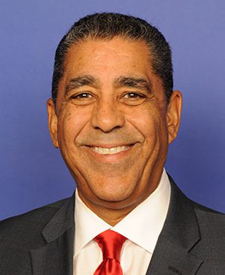
Mr. Espaillat introduced the following bill; which was referred to …
Referred to the House Committee on Veterans' Affairs.
Introduced in House
Stakeholder Effects
cui bono?How this legislation distributes effects. Mention counts reflect frequency, not effect magnitude.
Military spouses seeking residential leases, Servicemembers seeking residential leases, Veteran students receiving VA education assistance
Federally assisted housing operators, Residential landlords
Department of Veterans Affairs benefit administrators
Bill Structure & Actor Mappings
Who is "The Secretary" in each section?
- "Beneficiaries"
- → ['Veterans', 'Students', 'Service members', 'Families']
- "Housing actors"
- → ['Residential property managers', 'Housing program administrators']
- "Federal agencies"
- → ['Department of Veterans Affairs', 'Federal housing agencies']
Key Definitions
Terms defined in this bill
We use a combination of our own taxonomy and classification in addition to large language models to assess meaning and potential beneficiaries. High confidence means strong textual evidence. Always verify with the original bill text.
Learn more about our methodology