No Cost Educational Resources Act of 2025
Summary
What This Bill Does
The bill amends Museum and Library Services Act grant authority so institutions of higher education can receive grants to adopt, adapt, create, and expand open educational reading materials for science, technology, engineering, and math courses. Open educational reading material means a free digital text that can be downloaded and redistributed; an open educational reading material course is a STEM course using only those free readings as required texts. Applicants must assign leadership to library administrators and librarians, collaborate with STEM faculty, collaborate with other institutions, and review material quality. The Director must prioritize institutions enrolling many low-income or minority students and plans that pair faculty and librarians, use library resources, target high-enrollment STEM courses, and give faculty incentives such as monetary awards or dedicated work time. The Director must report to Congress within two years on grants awarded, course adoption, and student savings compared with courses requiring purchased readings.
Who Benefits and How
Students, especially low-income students and minority students in high-enrollment STEM courses, benefit from lower textbook and required-reading costs. Institutions of higher education, librarians, STEM faculty, and open educational resource creators benefit from grant support to create and adopt free digital readings.
Who Bears the Burden and How
The Institute of Museum and Library Services Director must evaluate applications, prioritize qualifying institutions, and report to Congress. Universities, librarians, and faculty receiving grants must coordinate implementation, review material quality, collaborate with other institutions, and document student savings. Commercial textbook sellers may lose required-reading revenue when courses move to free digital texts.
Key Provisions
- Expands Museum and Library Services Act grants to fund open educational reading material courses.
- Requires college applicants to assign library leadership, collaborate with STEM faculty, work with other institutions, and review material quality.
- Provides priority for institutions enrolling many low-income or minority students and using open materials in high-enrollment STEM courses.
- Directs a congressional report on grants, course adoption, and student savings within two years after the first award.
Evidence Chain:
This summary is generated from the full bill text using AI analysis. Expand "Detailed Analysis" below for identified beneficiaries/burden bearers with clause-level evidence links.
At a Glance
What This Bill Does
Expands Museum and Library Services Act grants to support open educational reading materials for STEM courses at colleges and universities.
Key Policy Areas
Education, Research & Science, Consumers
Primary Purpose
Expands Museum and Library Services Act grants to support open educational reading materials for STEM courses at colleges and universities.
Policy Domains
Substantive provisions
Identified Gains
- students
- low-income students
- minority students
- universities
- librarians
- STEM faculty
Identified Costs
- Institute of Museum and Library Services Director
- universities
- librarians
- STEM faculty
- textbook sellers
Sponsors

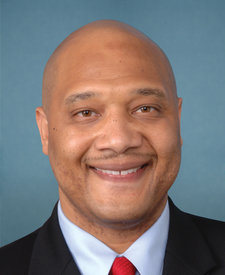
Bill Foster
D-IL | Primary Sponsor
Legislative Progress
In CommitteeReferred to the House Committee on Education and Workforce.
Introduced in House
Mr. Foster introduced the following bill; which was referred to …
Stakeholder Effects
cui bono?How this legislation distributes effects. Mention counts reflect frequency, not effect magnitude.
STEM faculty creating open readings, librarians implementing open educational materials, low-income students in open reading courses
Positive-direction: low-income students in open reading courses, students using free STEM course readings, universities receiving open educational resource grants
Negative-direction: STEM faculty creating open readings, librarians implementing open educational materials
Bill Structure & Actor Mappings
Who is "The Secretary" in each section?
- "Director"
- → Director of the Institute of Museum and Library Services
Key Definitions
Terms defined in this bill
A free digital text that is publicly available to be downloaded and redistributed.
We use a combination of our own taxonomy and classification in addition to large language models to assess meaning and potential beneficiaries. High confidence means strong textual evidence. Always verify with the original bill text.
Learn more about our methodology