Endometriosis CARE Act
Summary
What This Bill Does
The Endometriosis CARE Act adds a Public Health Service Act section on endometriosis coverage, awareness, research, and education. NIH may conduct or support research, data collection, surveillance, treatment-option work, a cure-focused research agenda, and an internet clearinghouse for patients and professionals, funded at 50 million dollars per year for fiscal years 2026 through 2030. HHS must analyze barriers to treatment access, including transportation, clinician shortages, coverage gaps, and cost sharing, using Medicaid, CHIP, group health plan, and insurance issuer data, with privacy protections and a public report within two years. HHS must also run public education, provider information efforts, and seek a National Academies study of disparities by race, ethnicity, geography, language, sexual orientation, gender identity, disability, and insurance status.
Who Benefits and How
Patients with endometriosis benefit from more research, clearer treatment information, better public education, and analysis of coverage or access barriers. NIH researchers, health care professionals, health systems, nonprofit organizations, consumer groups, institutions of higher education, and the National Academies benefit from research, clearinghouse, education, and study roles.
Who Bears the Burden and How
HHS and NIH staff must manage research, surveillance, public education, provider dissemination, data collection, privacy safeguards, reports, and a National Academies agreement. Group health plans, insurance issuers, state Medicaid programs, and CHIP programs may be required to provide treatment-access data. Federal taxpayers bear the authorized research and education costs.
Key Provisions
- Authorizes 50 million dollars per year from fiscal years 2026 through 2030 for NIH endometriosis research, surveillance, and an information clearinghouse.
- Requires HHS to analyze barriers to endometriosis treatment access using Medicaid, CHIP, group health plan, and insurance data.
- Directs HHS to disseminate public education and provider information on diagnosis, care, patient communication, and treatment options.
- Requires a National Academies disparities study and public report within 24 months.
Evidence Chain:
This summary is generated from the full bill text using AI analysis. Expand "Detailed Analysis" below for identified beneficiaries/burden bearers with clause-level evidence links.
At a Glance
What This Bill Does
Authorizes NIH endometriosis research, HHS treatment-access analysis, public and provider education, and a National Academies disparities study.
Key Policy Areas
Healthcare, Research & Science, Financial Services
Primary Purpose
Authorizes NIH endometriosis research, HHS treatment-access analysis, public and provider education, and a National Academies disparities study.
Policy Domains
Substantive provisions
Identified Gains
- patients with endometriosis
- NIH researchers
- health care professionals
- National Academies
Identified Costs
- Department of Health and Human Services staff
- National Institutes of Health staff
- group health plans
- insurance issuers
- state Medicaid programs
- CHIP programs
- federal taxpayers
Sponsors

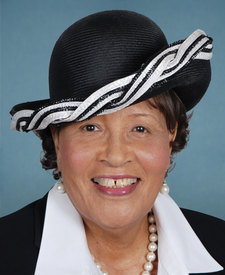


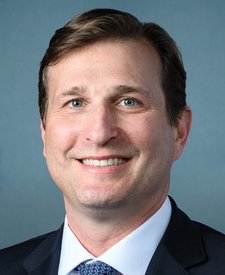
Legislative Progress
In CommitteeMs. Williams of Georgia (for herself, Ms. Underwood, Ms. Adams, …
Referred to the House Committee on Energy and Commerce.
Introduced in House
Stakeholder Effects
cui bono?How this legislation distributes effects. Mention counts reflect frequency, not effect magnitude.
health care professionals receiving endometriosis guidance, patients with endometriosis
National Academies conducting endometriosis disparities study, National Institutes of Health endometriosis researchers
group health plans providing treatment access data, insurance issuers providing treatment access data
CHIP programs reporting endometriosis services, state Medicaid programs reporting endometriosis services
Department of Health and Human Services program staff, Department of Health and Human Services reporting staff
Bill Structure & Actor Mappings
Who is "The Secretary" in each section?
- "Director"
- → Director of the National Institutes of Health
- "Secretary"
- → Secretary of Health and Human Services
We use a combination of our own taxonomy and classification in addition to large language models to assess meaning and potential beneficiaries. High confidence means strong textual evidence. Always verify with the original bill text.
Learn more about our methodology