Pharmacists Fight Back in Medicare and Medicaid Act
Summary
What This Bill Does
The Pharmacists Fight Back in Medicare and Medicaid Act adds Medicare Part D contract requirements for PDP sponsors and pharmacy benefit managers beginning with plan years on or after January 1, 2027. PDP sponsors and PBMs must reimburse in-network pharmacies for drug ingredient cost using national average drug acquisition cost or wholesale acquisition cost plus the lesser of 4 percent or $50, pay a dispensing fee equal to the state Medicaid dispensing fee, pass manufacturer rebates through at the point of sale to reduce enrollee coinsurance or copayments based on net drug cost, report information, and avoid steering. PBMs and affiliates may not require use of a specific pharmacy, promote affiliate pharmacies over other in-network pharmacies, create networks or credentialing standards that exclude in-network pharmacies, influence manufacturers to restrict distribution to favored pharmacies, impose fees that reduce required reimbursement, or shift dispensing fees back to enrollees. The bill also expands Medicaid acquisition-cost surveys beyond retail community pharmacies to pharmacies dispensing covered outpatient drugs, requires pharmacies receiving payment or concessions to report net acquisition costs or negotiated prices, requires public disclosure of survey response rates, sampling methods, and price concessions, and bars states from using non-retail pharmacy pricing to set retail community pharmacy reimbursement.
Who Benefits and How
Independent and in-network pharmacies benefit from stronger Medicare Part D reimbursement floors, dispensing-fee protections, anti-steering rules, and limits on post-claim fees. Medicare Part D enrollees benefit when rebates reduce cost sharing at the pharmacy counter and when PBMs cannot force them toward a specific pharmacy. Retail community pharmacies benefit in Medicaid because state reimbursement formulas cannot be based on non-retail pharmacy pricing data.
Who Bears the Burden and How
PDP sponsors, PBMs, PBM affiliates, Medicaid agencies, HHS officials, and pharmacies bear compliance burdens. PBMs must change reimbursement formulas, pass through rebates at point of sale, stop steering, avoid claim adjustments and fees that reduce pharmacy reimbursement, and enter written agreements with sponsors. Pharmacies in Medicaid surveys must report acquisition-cost information net of rebates, discounts, and other concessions. HHS and state Medicaid agencies must collect, publish, and apply expanded pricing data while respecting the limitation on non-retail pharmacy data.
Key Provisions
- Requires Medicare Part D PBMs to reimburse in-network pharmacies at NADAC or wholesale acquisition cost plus the lesser of 4 percent or $50.
- Requires Part D dispensing fees equal to the state Medicaid dispensing fee and prohibits shifting those fees back to enrollees.
- Requires manufacturer rebates to reduce Part D enrollee cost sharing at the point of sale based on net drug cost.
- Prohibits PBM steering, affiliate favoritism, exclusionary network practices, distribution restrictions, and post-claim fees that reduce pharmacy reimbursement.
- Expands Medicaid acquisition-cost surveys and public transparency while barring non-retail pharmacy pricing data from setting retail community pharmacy reimbursement.
Evidence Chain:
This summary is generated from the full bill text using AI analysis. Expand "Detailed Analysis" below for identified beneficiaries/burden bearers with clause-level evidence links.
At a Glance
What This Bill Does
Imposes Medicare Part D and Medicaid pharmacy benefit manager rules protecting in-network pharmacy reimbursement, rebate pass-through, anti-steering, and Medicaid acquisition-cost transparency.
Key Policy Areas
Healthcare, Medicare, Medicaid, Pharmaceuticals
Primary Purpose
Imposes Medicare Part D and Medicaid pharmacy benefit manager rules protecting in-network pharmacy reimbursement, rebate pass-through, anti-steering, and Medicaid acquisition-cost transparency.
Policy Domains
Substantive provisions
Identified Gains
- In-network pharmacies
- Medicare Part D enrollees
- Retail community pharmacies
Identified Costs
- Pharmacy benefit managers
- PDP sponsors
- State Medicaid agencies
Sponsors


Legislative Progress
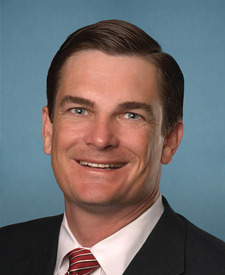
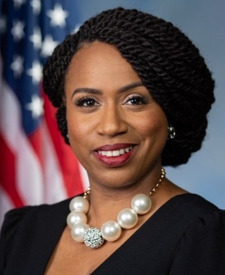
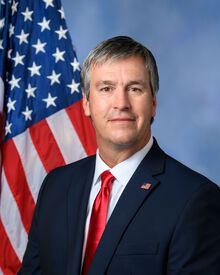
In CommitteeMr. Auchincloss (for himself, Mrs. Harshbarger, Mr. Comer, Mr. Carter …
Referred to the Committee on Energy and Commerce, and in …
Introduced in House
Stakeholder Effects
cui bono?How this legislation distributes effects. Mention counts reflect frequency, not effect magnitude.
In-network pharmacies, Medicaid beneficiaries, Medicaid pharmacies
Positive-direction: In-network pharmacies, Medicaid beneficiaries, Medicaid pharmacies, Medicare Part D enrollees
Negative-direction: Part D plan sponsors
Centers for Medicare and Medicaid Services, State Medicaid agencies
Bill Structure & Actor Mappings
Who is "The Secretary" in each section?
- "PBM"
- → Pharmacy benefit manager
- "PDP sponsor"
- → Medicare Part D prescription drug plan sponsor
We use a combination of our own taxonomy and classification in addition to large language models to assess meaning and potential beneficiaries. High confidence means strong textual evidence. Always verify with the original bill text.
Learn more about our methodology