Haiti Economic Lift Program Extension Act
Summary
What This Bill Does
The Haiti Economic Lift Program Extension Act extends special Haiti trade rules under section 213A of the Caribbean Basin Economic Recovery Act. It keeps the applicable percentage at 60 percent or more on and after December 20, 2017, sets the apparel quantitative limitation at not more than 1.25 percent of aggregate square meter equivalents of all apparel articles imported into the United States in the most recent available 12-month period, removes expired references to 16 succeeding one-year periods, and extends duty-free treatment through December 31, 2028.
The bill also directs the President to proclaim Harmonized Tariff Schedule modifications needed to restore preferential eligibility for articles that were eligible on December 20, 2006 but became ineligible because of HTS revisions before enactment. The proclamation cannot take effect until at least two business days after the President reports to the Senate Finance Committee and House Ways and Means Committee on the proclamation and reasons for the HTS modifications.
Finally, the bill applies retroactively. Covered Haitian articles entered on or after September 30, 2025 and before enactment can receive liquidation or reliquidation if an importer files a request with CBP within 180 days and gives enough information to locate or reconstruct the entry. Refunds owed by the United States must be paid without interest within 90 days after liquidation or reliquidation.
Who Benefits and How
Haitian apparel exporters benefit because duty-free treatment continues through 2028. Haitian garment workers benefit if continued preferences preserve orders from U.S. buyers. U.S. importers of eligible Haitian apparel benefit from lower duties and retroactive refunds. U.S. retailers sourcing Haitian goods benefit from continued lower landed costs and restored eligibility for certain articles. Customs brokers benefit from reliquidation filing work. Haitian manufacturers whose products lost eligibility because of HTS revisions benefit if the President restores preference treatment.
Who Bears the Burden and How
U.S. Customs and Border Protection import specialists must administer preference claims and retroactive reliquidation requests. CBP refund-processing staff must pay owed refunds within 90 days after liquidation or reliquidation. U.S. Treasury revenue accounts bear the cost of foregone duties and refund payments. The President's trade staff must prepare HTS proclamation changes and send the required congressional report. Senate Finance Committee staff and House Ways and Means Committee staff must review the proclamation report. U.S. apparel producers may face continued competition from preferential Haitian imports.
Key Provisions
- Extends special Haiti trade rules under the Caribbean Basin Economic Recovery Act through December 31, 2028.
- Provides a 60 percent applicable percentage for the Haiti apparel preference.
- Provides a 1.25 percent quantitative limitation based on aggregate square meter equivalents of U.S. apparel imports.
- Directs the President to restore eligibility for certain articles affected by Harmonized Tariff Schedule revisions.
- Requires a congressional report at least two business days before the HTS proclamation takes effect.
- Provides retroactive duty-free or preferential treatment for covered Haitian entries made after September 30, 2025 and before enactment.
- Requires importers to request liquidation or reliquidation within 180 days.
- Requires refunds without interest within 90 days after liquidation or reliquidation.
Evidence Chain:
This summary is generated from the full bill text using AI analysis. Expand "Detailed Analysis" below for identified beneficiaries/burden bearers with clause-level evidence links.
At a Glance
What This Bill Does
Extends Haiti apparel and trade preferences under the Caribbean Basin Economic Recovery Act through December 31, 2028, restores eligibility for certain articles affected by Harmonized Tariff Schedule revisions, and provides retroactive duty relief and refunds for covered Haitian articles entered after September 30, 2025.
Key Policy Areas
Trade, Haiti, Customs, Textiles
Primary Purpose
Extends Haiti apparel and trade preferences under the Caribbean Basin Economic Recovery Act through December 31, 2028, restores eligibility for certain articles affected by Harmonized Tariff Schedule revisions, and provides retroactive duty relief and refunds for covered Haitian articles entered after September 30, 2025.
Policy Domains
House resolution provisions
Identified Gains
- Haitian apparel exporters
- Haitian garment workers
- U.S. importers of eligible Haitian apparel
- U.S. retailers sourcing Haitian goods
- Customs brokers
- Haitian manufacturers affected by HTS revisions
Identified Costs
- U.S. Customs and Border Protection import specialists
- CBP refund-processing staff
- U.S. Treasury revenue accounts
- President's trade staff
- Senate Finance Committee staff
- House Ways and Means Committee staff
- U.S. apparel producers
Sponsors
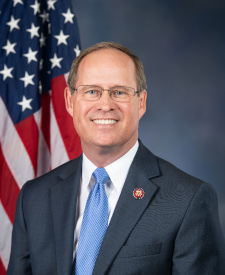

Legislative Progress
ReportedReceived; read twice and referred to the Committee on Finance
Received in the Senate and Read twice and referred to …
Motion to reconsider laid on the table Agreed to without …
On motion to suspend the rules and pass the bill, …
Passed/agreed to in House: On motion to suspend the rules …
Considered as unfinished business. (consideration: CR H647)
At the conclusion of debate, the Yeas and Nays were …
Considered under suspension of the rules. (consideration: CR H642-645)
DEBATE - The House proceeded with forty minutes of debate …
Mr. Smith (MO) moved to suspend the rules and pass …
Stakeholder Effects
cui bono?How this legislation distributes effects. Mention counts reflect frequency, not effect magnitude.
Haitian apparel exporters, Haitian exporters of covered articles, Haitian garment workers
Importers of covered Haitian articles, U.S. importers of eligible Haitian apparel, U.S. importers of restored Haitian articles
CBP preference-claims staff, CBP reliquidation staff, CBP tariff-schedule staff
Positive-direction: CBP tariff-schedule staff
Negative-direction: CBP preference-claims staff, CBP reliquidation staff
House Ways and Means Committee staff, Senate Finance Committee staff
Bill Structure & Actor Mappings
Who is "The Secretary" in each section?
- "cbp"
- → U.S. Customs and Border Protection
- "treasury"
- → Department of the Treasury
- "president"
- → President
We use a combination of our own taxonomy and classification in addition to large language models to assess meaning and potential beneficiaries. High confidence means strong textual evidence. Always verify with the original bill text.
Learn more about our methodology