Assessing Safety Tools for Parents and Minors Act
Summary
What This Bill Does
The Assessing Safety Tools for Parents and Minors Act is a study-and-report bill focused on online safety tools for minors under 17. Within six months after enactment, the FTC must begin a review, in consultation with industry, parents, communications-technology and parental-control experts, privacy experts, mental health experts, and other appropriate entities. The review must examine industry efforts to promote online safety for minors through education, parental and child safety tools, age-appropriate content labels, privacy settings, other safety settings, and related technologies or initiatives. The FTC must evaluate how effective those efforts are at mitigating online harms for minors and provide recommendations for industry, Congress, and agencies. Within three years after enactment, the FTC must submit findings and recommendations to the Senate Commerce Committee and the House Energy and Commerce Committee. The bill exempts the Act from the Paperwork Reduction Act and defines Commission as the FTC and minor as an individual under 17.
Who Benefits and How
Parents of minors benefit because the review is designed to evaluate whether parental controls, child safety tools, labels, and settings actually reduce online harms. Minors using online services benefit if the FTC recommendations lead to better industry practices or future legislation. Parental control technology providers and online safety researchers benefit from a federal process that may highlight effective tools. Congressional commerce committees benefit from a three-year report with recommendations for industry, Congress, and agencies.
Who Bears the Burden and How
FTC online safety reviewers must start the review within six months, consult a broad set of stakeholders, evaluate industry efforts, and produce a report within three years. Online service providers serving minors may need to participate in consultation or provide information about education, labels, privacy settings, and safety tools. Privacy experts, mental health experts, and parental-control experts may be asked to contribute to the FTC review. Congress must interpret recommendations that may involve competing child-safety, privacy, and platform-design tradeoffs.
Key Provisions
- Requires the FTC to begin an online safety review within six months after enactment.
- Requires consultation with industry, parents, communications-technology experts, parental-control experts, privacy experts, and mental health experts.
- Requires review of education, parental and child safety tools, age-appropriate labels, privacy settings, safety settings, and related technologies.
- Requires evaluation of whether industry efforts mitigate online harms for minors.
- Requires a three-year report to Senate Commerce and House Energy and Commerce with findings and recommendations.
- Provides a Paperwork Reduction Act exemption for the Act.
Evidence Chain:
This summary is generated from the full bill text using AI analysis. Expand "Detailed Analysis" below for identified beneficiaries/burden bearers with clause-level evidence links.
At a Glance
What This Bill Does
Requires the Federal Trade Commission to review industry efforts to promote online safety for minors, consult parents and experts, assess tools such as parental controls, labels, privacy settings, and safety settings, and report recommendations to Congress within three years.
Key Policy Areas
Technology, Consumer Protection, Child Safety
Primary Purpose
Requires the Federal Trade Commission to review industry efforts to promote online safety for minors, consult parents and experts, assess tools such as parental controls, labels, privacy settings, and safety settings, and report recommendations to Congress within three years.
Policy Domains
Substantive provisions
Identified Gains
- Parents of minors
- Minors using online services
- Parental control technology providers
- Online safety researchers
- Congressional commerce committees
Identified Costs
- FTC online safety reviewers
- Online service providers serving minors
- Privacy experts
- Mental health experts
- Congressional commerce committees
Sponsors
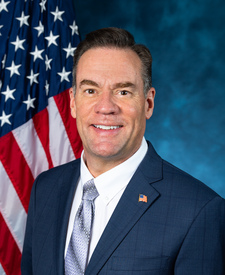



Legislative Progress
In CommitteeForwarded by Subcommittee to Full Committee by Voice Vote.
Subcommittee Consideration and Mark-up Session Held
Mr. Fulcher (for himself and Mr. Landsman) introduced the following …
Referred to the Subcommittee on Commerce, Manufacturing, and Trade.
Referred to the House Committee on Energy and Commerce.
Introduced in House
Stakeholder Effects
cui bono?How this legislation distributes effects. Mention counts reflect frequency, not effect magnitude.
Congressional commerce committees, FTC online safety reviewers
Positive-direction: Congressional commerce committees
Negative-direction: FTC online safety reviewers
Online service providers serving minors, Parental control technology providers
Bill Structure & Actor Mappings
Who is "The Secretary" in each section?
We use a combination of our own taxonomy and classification in addition to large language models to assess meaning and potential beneficiaries. High confidence means strong textual evidence. Always verify with the original bill text.
Learn more about our methodology