Rural Residency Planning and Development Act of 2025
Summary
What This Bill Does
The bill adds section 330A-3 to the Public Health Service Act. HHS may award three-year rural residency planning and development grants, fully funded at award, to establish new rural residency programs or add rural training sites to existing rural track programs. Applications must describe a pathway in general primary care and high-need specialty care, maternal health and obstetrics, or another HHS-approved pathway. HHS may also award four-year technical-assistance grants, fully funded at award, to help awardees and potential applicants. Eligible entities include domestic public or private nonprofit or for-profit entities, Indian Tribes, Tribal organizations, faith-based or community-based organizations, rural hospitals, rural clinics, Indian health centers, graduate medical education consortiums, medical schools, osteopathic schools, historically Black colleges or universities, and other HHS-approved organizations. Rural residency programs must train residents in rural areas more than 50 percent of the time and focus on producing physicians who will practice in rural areas. The bill authorizes 12.7 million dollars for each fiscal year 2026 through 2030, available until expended.
Who Benefits and How
Rural hospitals, rural clinics, Tribal health centers, medical schools, graduate medical education consortiums, and other eligible sponsors benefit from grant funding to build rural residency pipelines. Rural communities benefit if more physicians train locally and stay to practice in primary care, psychiatry, surgery, preventive medicine, maternal health, or obstetrics. Technical-assistance providers benefit from four-year grants to support applicants and awardees.
Who Bears the Burden and How
HHS must administer two grant tracks, review applications, define rural areas, approve pathways, manage fully funded awards, monitor rural training requirements, and oversee 12.7 million dollars per year in authorized funds. Applicants must prepare pathway descriptions and comply with federal grant requirements. Technical-assistance grantees must support awardees and potential applicants for up to four years.
Key Provisions
- Creates HHS rural residency planning and development grants for new rural residency programs and rural training sites.
- Authorizes technical-assistance grants for awardees and potential applicants.
- Defines eligible entities to include rural hospitals, rural clinics, Indian Tribes, Tribal organizations, medical schools, HBCUs, and graduate medical education consortiums.
- Requires supported rural residency programs to train residents in rural areas more than 50 percent of the time and focus on rural practice.
- Authorizes 12.7 million dollars annually for fiscal years 2026 through 2030.
Evidence Chain:
This summary is generated from the full bill text using AI analysis. Expand "Detailed Analysis" below for identified beneficiaries/burden bearers with clause-level evidence links.
At a Glance
What This Bill Does
Authorizes 12.7 million dollars annually from fiscal years 2026 through 2030 for HHS rural residency planning, development, and technical-assistance grants to create new rural residency programs, add rural training sites, and support applicants in primary care, high-need specialties, maternal health, and obstetrics.
Key Policy Areas
Healthcare, Rural Development, Education
Primary Purpose
Authorizes 12.7 million dollars annually from fiscal years 2026 through 2030 for HHS rural residency planning, development, and technical-assistance grants to create new rural residency programs, add rural training sites, and support applicants in primary care, high-need specialties, maternal health, and obstetrics.
Policy Domains
Substantive provisions
Identified Gains
- Rural hospitals
- Rural clinics
- Tribal health centers
- Medical schools
- Graduate medical education consortiums
- Rural communities
Identified Costs
- Department of Health and Human Services
- Grant applicants
- Technical-assistance grantees
Sponsors

Legislative Progress
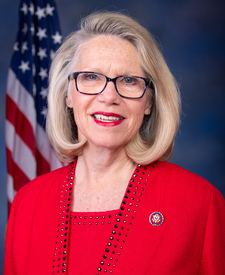
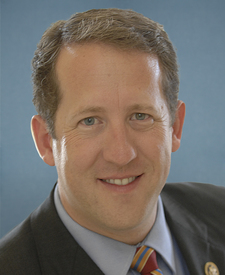
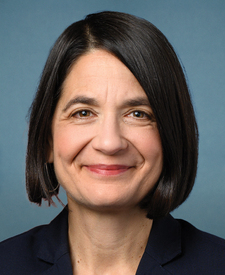
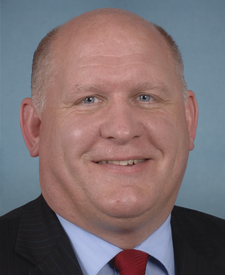
In CommitteeMrs. Miller of West Virginia (for herself, Ms. Tokuda, Mr. …
Referred to the House Committee on Energy and Commerce.
Introduced in House
Stakeholder Effects
cui bono?How this legislation distributes effects. Mention counts reflect frequency, not effect magnitude.
Rural communities needing physicians, Rural hospitals
Bill Structure & Actor Mappings
Who is "The Secretary" in each section?
We use a combination of our own taxonomy and classification in addition to large language models to assess meaning and potential beneficiaries. High confidence means strong textual evidence. Always verify with the original bill text.
Learn more about our methodology