Farm Transitions Act of 2025
Summary
What This Bill Does
The Farm Transitions Act of 2025 amends the 2018 farm bill commission on farm transitions. USDA must establish the commission within 60 days, study how farms and agricultural assets move between generations and owners, and report recommendations within two years. The bill expands the study to include affordable and timely access to agricultural assets, apprenticeships, mentoring, business training, technical assistance, State and Federal policies including tax policy, heirs property and agricultural land succession, barriers faced by historically underserved and women farmers and ranchers in transferring, inheriting, or purchasing land and other assets, leasing and ownership trends, and ownership by foreign persons or entities. It extends authorization through 2029.
Who Benefits and How
Beginning farmers, historically underserved farmers, and women farmers and ranchers benefit because the commission must study the specific barriers they face in buying, inheriting, leasing, or receiving agricultural assets. Retiring farmers and agricultural landowners benefit from attention to succession, heirs property, apprenticeships, mentoring, and business transition tools. USDA and Congress benefit from a fuller record on tax and land policies that either help or block farm transitions.
Who Bears the Burden and How
USDA must establish and support the commission, gather evidence, and deliver recommendations. Commission members must evaluate a wide set of land, tax, training, and ownership issues. Foreign agricultural land investors and other asset holders may face more scrutiny if the commission recommends restrictions or transparency measures. Federal taxpayers fund the commission work through the reauthorized program.
Key Provisions
- Requires USDA to establish the Commission on Farm Transitions within 60 days.
- Adds study topics on affordable access, apprenticeships, mentoring, business training, and technical assistance.
- Requires review of State and Federal policies, including tax policies, that facilitate or impede farm transitions.
- Requires attention to heirs property, land succession, and barriers for historically underserved and women farmers and ranchers.
- Adds leasing, ownership, and foreign agricultural land ownership trends.
- Requires a report within two years and extends authorization through 2029.
Evidence Chain:
This summary is generated from the full bill text using AI analysis. Expand "Detailed Analysis" below for identified beneficiaries/burden bearers with clause-level evidence links.
At a Glance
What This Bill Does
Reauthorizes and expands the Commission on Farm Transitions so USDA studies barriers to transferring farms and agricultural assets, including access to capital, mentoring, tax policy, heirs property, land succession, foreign ownership, and barriers facing historically underserved and women farmers.
Key Policy Areas
Agriculture, Tax, Rural Development
Primary Purpose
Reauthorizes and expands the Commission on Farm Transitions so USDA studies barriers to transferring farms and agricultural assets, including access to capital, mentoring, tax policy, heirs property, land succession, foreign ownership, and barriers facing historically underserved and women farmers.
Policy Domains
Substantive provisions
Identified Gains
- Beginning farmers
- Historically underserved farmers
- Women farmers and ranchers
- Retiring farmers
- Agricultural landowners
- Congressional agriculture committees
Identified Costs
- USDA commission staff
- Commission members
- Foreign agricultural land investors
- Federal taxpayers
Sponsors

Legislative Progress
In CommitteeReferred to the Subcommittee on General Farm Commodities, Risk Management, …
Referred to the Subcommittee on Conservation, Research, and Biotechnology.
Introduced in House
Introduced in House
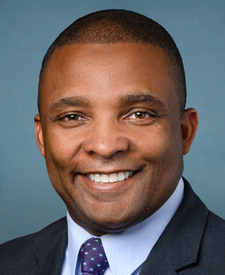
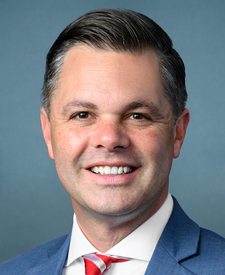
Mr. Davis of North Carolina (for himself and Mr. Nunn …
Sponsor introductory remarks on measure. (CR H4977)
Introduced in House
Stakeholder Effects
cui bono?How this legislation distributes effects. Mention counts reflect frequency, not effect magnitude.
Beginning farmers, Historically underserved farmers, Retiring farmers
Bill Structure & Actor Mappings
Who is "The Secretary" in each section?
We use a combination of our own taxonomy and classification in addition to large language models to assess meaning and potential beneficiaries. High confidence means strong textual evidence. Always verify with the original bill text.
Learn more about our methodology