Promoting a Safe Internet for Minors Act
Summary
What This Bill Does
The Promoting a Safe Internet for Minors Act amends the Protecting Children in the 21st Century Act by replacing several existing sections with a new FTC-led program. Within 180 days, the FTC, working with relevant agencies, State and local governments, nonprofits, schools, industry, law enforcement, medical professionals, and other entities, must run a nationwide program promoting safe internet use by minors under 17. The program must identify and promote best practices for educators, online platforms, minors, parents, and guardians; run an outreach and education campaign; facilitate access to current information about online harms, risks, and benefits for minors; and help connect the public to online-safety education and awareness efforts by other entities. The FTC must report to Senate Commerce and House Energy and Commerce within one year and annually for 10 years on the program’s activities. Online safety includes protection from cybercrimes, narcotics, tobacco, gambling, alcohol, adult content, compulsive online behavior, physical and mental health harms, and use of safeguards and parental controls.
Who Benefits and How
Minors, parents, guardians, educators, and schools benefit from a national online-safety education campaign and best-practice clearinghouse. Nonprofits, law enforcement, medical professionals, and online platforms benefit from a coordinated Federal venue to share safety resources. Congress benefits from annual activity reports for 10 years.
Who Bears the Burden and How
The FTC must build and maintain the campaign, coordinate many partners, facilitate public access to safety resources, and report annually for a decade. Participating agencies, schools, nonprofits, industry, law enforcement, and medical professionals may contribute materials and expertise. The program focuses on education rather than direct platform regulation, so measurable safety improvements depend on outreach effectiveness.
Key Provisions
- Requires an FTC-led national program promoting safe internet use by minors within 180 days.
- Requires promotion of best practices for educators, online platforms, minors, parents, and guardians.
- Requires outreach, education, and information exchange on online harms, risks, benefits, safeguards, and parental controls.
- Requires coordination with agencies, State and local governments, nonprofits, schools, industry, law enforcement, medical professionals, and other entities.
- Requires annual reports to Congress for 10 years on program activities.
Evidence Chain:
This summary is generated from the full bill text using AI analysis. Expand "Detailed Analysis" below for identified beneficiaries/burden bearers with clause-level evidence links.
At a Glance
What This Bill Does
Replaces older online-safety provisions with a nationwide FTC-led public awareness and education campaign on safe internet use by minors and 10 years of annual reporting.
Key Policy Areas
Technology, Children, Education
Primary Purpose
Replaces older online-safety provisions with a nationwide FTC-led public awareness and education campaign on safe internet use by minors and 10 years of annual reporting.
Policy Domains
Substantive provisions
Identified Gains
- Minors using the internet
- Parents and guardians of minors
- Educators teaching online safety
- Online safety nonprofits
- Congressional commerce committees
Identified Costs
- Federal Trade Commission
- Participating Federal agencies
- Schools contributing online safety materials
- Online platforms participating in safety education
Sponsors



Legislative Progress
In CommitteeForwarded by Subcommittee to Full Committee by Voice Vote.
Subcommittee Consideration and Mark-up Session Held
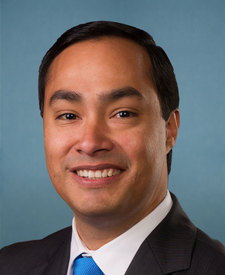
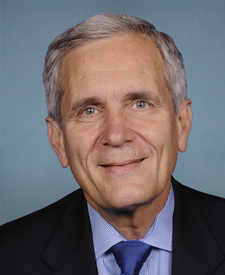
Ms. Lee of Florida (for herself and Mr. Soto) introduced …
Referred to the Subcommittee on Commerce, Manufacturing, and Trade.
Referred to the House Committee on Energy and Commerce.
Introduced in House
Stakeholder Effects
cui bono?How this legislation distributes effects. Mention counts reflect frequency, not effect magnitude.
Congressional commerce committees, Federal Trade Commission
Positive-direction: Congressional commerce committees
Negative-direction: Federal Trade Commission
Minors using the internet, Parents and guardians of minors
Bill Structure & Actor Mappings
Who is "The Secretary" in each section?
We use a combination of our own taxonomy and classification in addition to large language models to assess meaning and potential beneficiaries. High confidence means strong textual evidence. Always verify with the original bill text.
Learn more about our methodology