HOPE Act
Summary
What This Bill Does
The HOPE Act keeps enhanced premium tax credit percentages available for taxable years 2026 and 2027, replaces the 400 percent of poverty cliff with an income table reaching 935 percent of the poverty line, and caps required premium contributions as high as 9.35 percent for the top covered tier. It pairs that subsidy extension with new exchange-integrity guardrails: agents and brokers face civil penalties of $10,000 to $50,000 per affected person for negligent or disregard-based incorrect information, up to $200,000 per affected person for knowingly false or fraudulent exchange information, and possible criminal penalties of up to 10 years for knowing and willful fraud. HHS must create verification processes for broker-submitted enrollments and coverage changes, including consent evidence, delayed commissions until inconsistencies are resolved, issuer access to verification data, enrollee notices, and account tools to spot and cancel unauthorized changes.
Who Benefits and How
ACA marketplace enrollees benefit from extended premium subsidies and from protections against unauthorized broker activity that can change coverage or tax credits. Households between 400 and 935 percent of the poverty line gain access to capped premium contributions during 2026 and 2027. Qualified health plan issuers benefit from better access to consent and inconsistency data before paying broker commissions.
Who Bears the Burden and How
Health insurance agents and brokers must document consent, wait for inconsistency resolution before commissions, and face much larger civil or criminal exposure for incorrect or fraudulent exchange activity. HHS and CMS must build verification systems, consumer notice tools, and enforcement processes. Federal taxpayers bear the cost of extended premium tax credits.
Key Provisions
- Extends enhanced ACA premium tax credit percentages for taxable years 2026 and 2027.
- Expands the temporary income table up to 935 percent of the poverty line with contribution percentages up to 9.35 percent.
- Requires new penalties for exchange agents and brokers who submit negligent, false, fraudulent, or willfully fraudulent information.
- Requires HHS to establish broker-enrollment verification processes including consent evidence, delayed commissions, issuer data access, and enrollee notices.
Evidence Chain:
This summary is generated from the full bill text using AI analysis. Expand "Detailed Analysis" below for identified beneficiaries/burden bearers with clause-level evidence links.
At a Glance
What This Bill Does
Extends enhanced Affordable Care Act premium tax credits through 2027 while adding exchange-enrollment fraud controls, broker penalties, consent verification, and notice requirements.
Key Policy Areas
Healthcare, Tax, Insurance
Primary Purpose
Extends enhanced Affordable Care Act premium tax credits through 2027 while adding exchange-enrollment fraud controls, broker penalties, consent verification, and notice requirements.
Policy Domains
Substantive provisions
Identified Gains
- ACA marketplace enrollees
- Households above 400 percent of poverty using exchange coverage
- Qualified health plan issuers
- CMS exchange integrity offices
Identified Costs
- Health insurance agents and brokers
- Centers for Medicare and Medicaid Services
- Federal taxpayers
- Exchange technology contractors
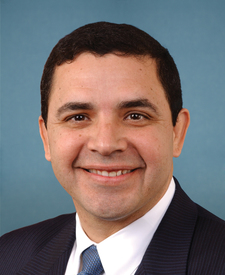
Sponsors




Legislative Progress
In CommitteeMr. Suozzi (for himself, Mr. Bacon, Mr. Gottheimer, and Mr. …
Referred to the Committee on Energy and Commerce, and in …
Introduced in House
Stakeholder Effects
cui bono?How this legislation distributes effects. Mention counts reflect frequency, not effect magnitude.
Households above 400 percent of poverty using exchange coverage
Bill Structure & Actor Mappings
Who is "The Secretary" in each section?
We use a combination of our own taxonomy and classification in addition to large language models to assess meaning and potential beneficiaries. High confidence means strong textual evidence. Always verify with the original bill text.
Learn more about our methodology