Fostering the Future for American Children and Families Act
Summary
What This Bill Does
The bill directs HHS, with Labor, to inventory Federal, State, private, and nonprofit programs that help foster youth enter technical training, apprenticeships, and on-the-job training. After that study, HHS must create the Fostering the Future Pipeline Program, a competitive grant program of up to $50 million per year for States, schools, employers, nonprofits, and faith-based organizations to build industry-aligned training in skilled trades, manufacturing, health care, information technology, and agriculture. It also makes Chafee education and training vouchers usable for short career-focused credentials, registered apprenticeships, and rapid-employment pathways.
Who Benefits and How
Current and former foster youth benefit from more direct pathways into paid credentials and apprenticeships instead of only traditional degree programs. State child-welfare agencies, community colleges, employers, nonprofits, and faith-based training providers can receive grant support to build programs for this population. Employers in skilled trades, health care, IT, manufacturing, and agriculture benefit from a federally supported worker pipeline.
Who Bears the Burden and How
HHS and Labor must run the study, stand up the grant program, evaluate gaps, report to Congress, and manage applications. States and grantees that seek funding take on program design, reporting, and coordination duties. Chafee administrators must update voucher eligibility and counseling so youth can use aid for shorter credential routes.
Key Provisions
- Requires HHS and Labor to study job-training and apprenticeship programs serving current and former foster youth and report gaps, barriers, and funding needs to Congress.
- Establishes a Fostering the Future Pipeline Program with competitive grants for industry-aligned training in trades, manufacturing, health care, IT, and agriculture.
- Authorizes up to $50 million per fiscal year for the new pipeline grant program.
- Expands Chafee education and training vouchers to registered apprenticeships, certificate programs, and rapid-employment pathways.
Evidence Chain:
This summary is generated from the full bill text using AI analysis. Expand "Detailed Analysis" below for identified beneficiaries/burden bearers with clause-level evidence links.
At a Glance
What This Bill Does
Expands education and workforce pathways for current and former foster youth by studying existing programs, creating a HHS-Labor grant program, and allowing Chafee vouchers to pay for short-term credential and apprenticeship training.
Key Policy Areas
Child Welfare, Workforce Development, Education
Primary Purpose
Expands education and workforce pathways for current and former foster youth by studying existing programs, creating a HHS-Labor grant program, and allowing Chafee vouchers to pay for short-term credential and apprenticeship training.
Policy Domains
Substantive provisions
Identified Gains
- Current and former foster youth
- State child-welfare agencies
- Community colleges and credential providers
- Employers in skilled shortage sectors
Identified Costs
- Department of Health and Human Services
- Department of Labor
- State Chafee voucher administrators
- Grant applicants
Sponsors



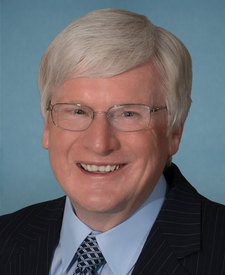

Legislative Progress
In CommitteeMr. Nunn of Iowa (for himself, Mr. Landsman, Mr. Fong, …
Referred to the Committee on Education and Workforce, and in …
Introduced in House
Stakeholder Effects
cui bono?How this legislation distributes effects. Mention counts reflect frequency, not effect magnitude.
Department of Health and Human Services, Department of Labor
Bill Structure & Actor Mappings
Who is "The Secretary" in each section?
We use a combination of our own taxonomy and classification in addition to large language models to assess meaning and potential beneficiaries. High confidence means strong textual evidence. Always verify with the original bill text.
Learn more about our methodology