FARM Act
Summary
What This Bill Does
The FARM Act amends the Defense Production Act’s CFIUS section. It adds the Secretary of Agriculture as a CFIUS member, expands covered transactions to include any transaction, merger, acquisition, transfer, agreement, takeover, or arrangement that could result in foreign control of a U.S. business engaged in agriculture and using agricultural products, and applies that coverage to proposed, pending, or completed transactions on or after enactment. It also adds agricultural systems and supply chains to critical infrastructure, subject to CFIUS regulations, and adds agricultural supply chains used for agricultural products to the critical-technology definition. Separately, USDA and GAO must each annually analyze foreign influence in the U.S. agriculture industry and report to Congress on foreign investments, risks to U.S. agricultural production and supply chains, the largest international threats for increased foreign control or investment, and agriculture-related espionage and theft techniques targeting agricultural intellectual property, innovation, research and development, cost or pricing data, or internal strategy documents.
Who Benefits and How
U.S. agriculture businesses benefit from additional CFIUS scrutiny of foreign-control transactions involving agricultural products and supply chains. Agricultural supply chain operators benefit if foreign investment reviews reduce national-security or food-security risks. USDA national security staff benefit from a formal seat in CFIUS deliberations affecting agriculture. Congressional agriculture committees benefit from annual USDA and GAO reporting on foreign influence, investment threats, and agricultural espionage. Agricultural intellectual property owners benefit from explicit reporting on foreign theft techniques targeting research, innovation, pricing, and strategy documents.
Who Bears the Burden and How
Foreign investors in U.S. agriculture face additional CFIUS review risk for covered agriculture transactions. U.S. agriculture businesses in foreign-control transactions may face more filings, mitigation conditions, delays, or blocked deals. Treasury CFIUS staff must incorporate agriculture supply chains into transaction review and critical-infrastructure analysis. USDA analysts must participate in CFIUS and prepare annual foreign-influence reports. GAO auditors must conduct annual agriculture foreign-influence analyses and report to Congress.
Key Provisions
- Adds the Secretary of Agriculture to the Committee on Foreign Investment in the United States.
- Expands covered transactions to include foreign-control arrangements involving U.S. agriculture businesses using agricultural products.
- Modifies the critical infrastructure definition to include agricultural systems and supply chains.
- Adds agricultural supply chains used for agricultural products to the critical-technology framework.
- Requires annual USDA and GAO reports on foreign agriculture investment, supply-chain threats, and agriculture-related espionage.
Evidence Chain:
This summary is generated from the full bill text using AI analysis. Expand "Detailed Analysis" below for identified beneficiaries/burden bearers with clause-level evidence links.
At a Glance
What This Bill Does
Adds the Secretary of Agriculture to CFIUS, expands covered transactions to foreign-control transactions involving U.S. agriculture businesses, treats agricultural systems and supply chains as critical infrastructure, adds agricultural supply chains to the critical-technology definition, and requires annual USDA and GAO reports on foreign influence, investment, supply-chain risk, and agriculture-related espionage.
Key Policy Areas
Agriculture, CFIUS, National Security, Foreign Investment
Primary Purpose
Adds the Secretary of Agriculture to CFIUS, expands covered transactions to foreign-control transactions involving U.S. agriculture businesses, treats agricultural systems and supply chains as critical infrastructure, adds agricultural supply chains to the critical-technology definition, and requires annual USDA and GAO reports on foreign influence, investment, supply-chain risk, and agriculture-related espionage.
Policy Domains
Substantive provisions
Identified Gains
- U.S. agriculture businesses
- Agricultural supply chain operators
- USDA national security staff
- Congressional agriculture committees
- Agricultural intellectual property owners
Identified Costs
- Foreign investors in U.S. agriculture
- U.S. agriculture businesses in foreign-control transactions
- Treasury CFIUS staff
- USDA analysts
- GAO auditors
Sponsors
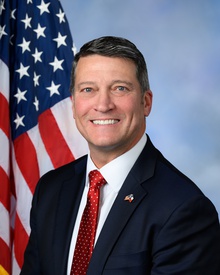
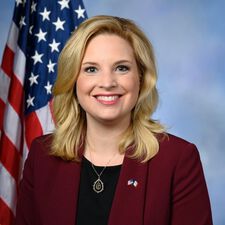
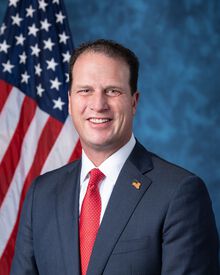
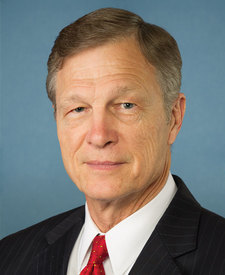
Legislative Progress
In CommitteeReferred to the Subcommittee on Nutrition and Foreign Agriculture.
Mr. Jackson of Texas (for himself, Mr. Sessions, Mr. Panetta, …
Referred to the Committee on Financial Services, and in addition …
Introduced in House
Stakeholder Effects
cui bono?How this legislation distributes effects. Mention counts reflect frequency, not effect magnitude.
Congressional agriculture committees, GAO auditors, Treasury CFIUS staff
Positive-direction: Congressional agriculture committees
Negative-direction: GAO auditors, Treasury CFIUS staff, USDA analysts, USDA national security staff
Agricultural intellectual property owners, Agricultural supply chain operators, U.S. agriculture businesses
Positive-direction: Agricultural intellectual property owners, Agricultural supply chain operators, U.S. agriculture businesses
Negative-direction: U.S. agriculture businesses in foreign-control transactions
Foreign governments targeting agriculture, Foreign investors in U.S. agriculture
Bill Structure & Actor Mappings
Who is "The Secretary" in each section?
We use a combination of our own taxonomy and classification in addition to large language models to assess meaning and potential beneficiaries. High confidence means strong textual evidence. Always verify with the original bill text.
Learn more about our methodology