Ending Crime and Disorder on America’s Streets Act
Summary
What This Bill Does
The Ending Crime and Disorder on America’s Streets Act is a broad Federal policy directive on homelessness, public order, and behavioral-health treatment. It states a purpose of restoring civil commitment procedures, fighting vagrancy, and redirecting Federal resources toward institutional treatment in hospitals or asylums for people adjudged insane or unable to care for themselves. The Attorney General, with HHS, must seek reversal of precedents and consent decrees that impede civil commitment and assist State and local governments in adopting flexible civil commitment, institutional treatment, and step-down treatment standards. DOJ, HHS, HUD, and DOT must assess discretionary grant programs for priority to jurisdictions enforcing public-drug-use, urban-camping, loitering, squatting, civil-commitment, and sex-offender-registration policies. HHS must steer SAMHSA, FQHC, and certified community behavioral health clinic funds toward evidence-based treatment and away from harm-reduction or safe-consumption efforts that fail outcome standards. HUD and HHS must increase accountability for homelessness and transitional-living programs, end support for housing-first policies the bill characterizes as weak on accountability, require treatment participation where allowed, review drug injection or safe consumption sites for Federal-law violations, and adjust federally assisted shelter rules for women, children, and sex offenders.
Who Benefits and How
State governments that want broader civil commitment standards benefit from Federal technical guidance, grants, and litigation support. Local governments enforcing anti-camping, anti-squatting, public-drug-use, and sex-offender-registration rules may receive priority in discretionary Federal grants. Psychiatric hospitals and institutional treatment providers benefit if Federal resources support transfers, civil commitment, and step-down treatment. Assisted outpatient treatment programs benefit from HHS technical assistance tied to unhoused individuals with serious mental illness or addiction. Women and children in federally funded shelters benefit if HUD permits sex-segregated housing and tighter rules for sex offenders in family settings.
Who Bears the Burden and How
Unhoused individuals with serious mental illness or substance use disorder may face more civil commitment, treatment conditions, encampment removal, and institutional placement. Harm reduction and safe consumption programs risk losing Federal support and facing DOJ review where drug activity is alleged. Housing-first grantees and homelessness-service providers must meet stricter effectiveness, treatment, public-safety, and grant-competition standards. Civil liberties organizations and disability rights organizations face policy setbacks because the bill seeks reversal of precedents and consent decrees limiting civil commitment. DOJ, HHS, HUD, DOT, and SAMHSA staff must assess grants, revise rules, coordinate enforcement, and administer new accountability conditions.
Key Provisions
- Directs DOJ and HHS to support reversal of precedents and consent decrees that impede civil commitment.
- Authorizes Federal assistance to State and local governments adopting flexible commitment, institutional treatment, and step-down treatment standards.
- Requires DOJ, HHS, HUD, and DOT grant assessments favoring jurisdictions with anti-vagrancy, public-drug-use, camping, squatting, commitment, and sex-offender-compliance policies.
- Requires HHS to steer SAMHSA, FQHC, and certified community behavioral health clinic resources toward evidence-based treatment and crisis intervention.
- Restricts Federal support for housing-first policies, drug injection sites, safe consumption sites, paraphernalia distribution, and illicit drug use on federally assisted property.
- Authorizes HUD measures for sex-segregated sheltering of women and children and tighter placement rules for sex offenders receiving homelessness assistance.
Evidence Chain:
This summary is generated from the full bill text using AI analysis. Expand "Detailed Analysis" below for identified beneficiaries/burden bearers with clause-level evidence links.
At a Glance
What This Bill Does
Directs DOJ, HHS, HUD, and DOT to shift Federal homelessness, behavioral-health, and public-safety policy toward civil commitment, institutional or step-down treatment, anti-vagrancy enforcement, stricter homelessness-grant accountability, restrictions on harm-reduction and safe-consumption programs, and enforcement against drug activity in federally assisted housing programs.
Key Policy Areas
Homelessness, Mental Health, Public Safety, Federal Grants
Primary Purpose
Directs DOJ, HHS, HUD, and DOT to shift Federal homelessness, behavioral-health, and public-safety policy toward civil commitment, institutional or step-down treatment, anti-vagrancy enforcement, stricter homelessness-grant accountability, restrictions on harm-reduction and safe-consumption programs, and enforcement against drug activity in federally assisted housing programs.
Policy Domains
Substantive provisions
Identified Gains
- State civil commitment programs
- Local public safety agencies
- Psychiatric hospitals
- Assisted outpatient treatment programs
- Women in federally funded shelters
- Children in federally funded shelters
Identified Costs
- Unhoused individuals with serious mental illness
- Harm reduction programs
- Housing-first grantees
- Disability rights organizations
- DOJ grant staff
- HUD homelessness program staff
Sponsors
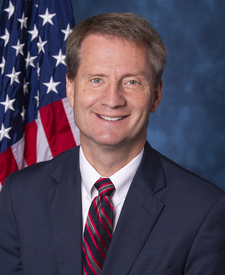
Tim Burchett
R-TN | Primary Sponsor
Legislative Progress
In CommitteeMr. Burchett introduced the following bill; which was referred to …
Referred to the Committee on the Judiciary, and in addition …
Introduced in House
Stakeholder Effects
cui bono?How this legislation distributes effects. Mention counts reflect frequency, not effect magnitude.
Children in federally funded shelters, Chronically unhoused individuals, Recreational campers
Positive-direction: Children in federally funded shelters, Recreational campers, Women in federally funded shelters
Negative-direction: Chronically unhoused individuals, Unhoused individuals in encampments, Unhoused individuals with serious mental illness
Assisted outpatient treatment programs, Certified community behavioral health clinics, Federally qualified health centers
DOJ civil litigation staff, DOJ enforcement staff, Federal grant administrators
Drug injection site operators, Harm reduction programs, Homelessness program administrators
Local civil commitment programs, Municipalities enforcing anti-camping laws, Municipalities not enforcing anti-vagrancy laws
Positive-direction: Local civil commitment programs, Municipalities enforcing anti-camping laws, State civil commitment programs
Negative-direction: Municipalities not enforcing anti-vagrancy laws
Bill Structure & Actor Mappings
Who is "The Secretary" in each section?
We use a combination of our own taxonomy and classification in addition to large language models to assess meaning and potential beneficiaries. High confidence means strong textual evidence. Always verify with the original bill text.
Learn more about our methodology