Protect American Fisheries Act of 2025
Summary
What This Bill Does
The Protect American Fisheries Act expands fishery resource disaster law to cover economic harms caused by foreign conduct. It amends the Magnuson-Stevens Fishery Conservation and Management Act to add economic cause alongside natural, anthropogenic, and other causes. Economic cause means activity by a foreign person that the Secretary determines distorts the market for a fishery resource, disrupts sustainable harvest, or hinders the operational or economic viability of a fishery resource. Foreign person includes non-U.S. individuals, foreign governments, international financial institutions, foreign-organized or foreign-based entities, and U.S. entities owned, controlled, or directed by those foreign persons. Disaster request documentation may include adverse effects of foreign activities on fishery operational or economic viability, including illegal, unreported, or unregulated fishing, forced or child labor, predatory pricing, and subsidies that depress U.S. or export seafood prices or otherwise distort markets. The Secretary must consider submitted information on foreign activities and their specific economic effects when reviewing fishery resource disaster requests.
Who Benefits and How
Domestic fishing communities benefit because foreign market distortion can support fishery resource disaster recognition. U.S. seafood producers benefit when illegal fishing, forced or child labor, predatory pricing, or foreign subsidies can be documented in disaster requests. Fishery managers benefit from statutory definitions of economic cause and foreign person. Coastal economies benefit if fishery disaster relief better reflects foreign economic harms.
Who Bears the Burden and How
Foreign persons whose conduct distorts seafood markets may be cited in disaster documentation and federal determinations. NOAA and Commerce fishery disaster staff must assess economic-cause evidence and foreign-activity impacts. Requesters must document foreign activities and specific economic effects when relying on economic cause. Foreign governments, foreign seafood companies, and subsidized producers face more scrutiny in U.S. fishery disaster reviews.
Key Provisions
- Adds economic cause as a basis for fishery resource disaster determinations.
- Defines foreign person to include foreign individuals, governments, international financial institutions, foreign entities, and controlled U.S. entities.
- Requires disaster documentation to address foreign activities such as illegal fishing, forced or child labor, predatory pricing, and harmful subsidies.
- Requires the Secretary to consider foreign economic effects on fishery viability.
- Expands disaster analysis to include seafood price and export-market distortions.
Evidence Chain:
This summary is generated from the full bill text using AI analysis. Expand "Detailed Analysis" below for identified beneficiaries/burden bearers with clause-level evidence links.
At a Glance
What This Bill Does
Adds foreign economic conduct as a basis for fishery resource disaster determinations under the Magnuson-Stevens Act, defining economic cause and foreign person, requiring documentation of foreign activities such as illegal fishing, forced or child labor, predatory pricing, and harmful subsidies, and directing the Secretary to consider those effects when evaluating disaster requests.
Key Policy Areas
Fisheries, Trade, NOAA, Seafood Markets
Primary Purpose
Adds foreign economic conduct as a basis for fishery resource disaster determinations under the Magnuson-Stevens Act, defining economic cause and foreign person, requiring documentation of foreign activities such as illegal fishing, forced or child labor, predatory pricing, and harmful subsidies, and directing the Secretary to consider those effects when evaluating disaster requests.
Policy Domains
Substantive provisions
Identified Gains
- Domestic fishing communities
- U.S. seafood producers
- Fishery managers
- Coastal economies
Identified Costs
- Foreign persons distorting seafood markets
- NOAA fishery disaster staff
- Commerce Department fishery officials
- Fishery disaster requesters
- Foreign seafood companies
- Foreign governments subsidizing seafood production
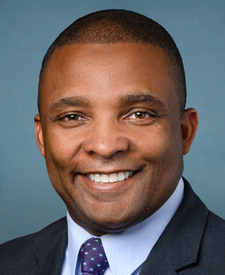
Sponsors
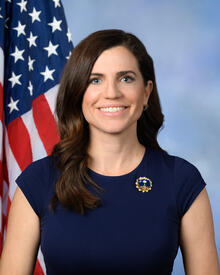
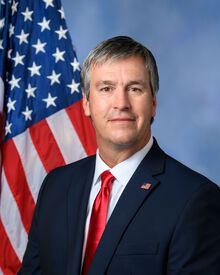
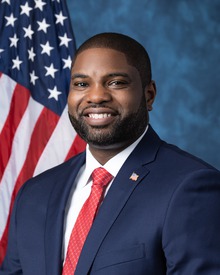
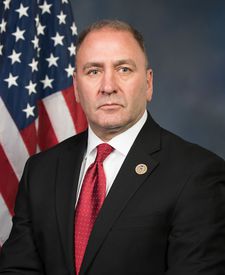
Legislative Progress
In CommitteeMs. Mace (for herself, Mr. Donalds, Mr. Carter of Louisiana, …
Referred to the House Committee on Natural Resources.
Introduced in House
Stakeholder Effects
cui bono?How this legislation distributes effects. Mention counts reflect frequency, not effect magnitude.
Domestic fishing communities, Fishery disaster requesters, U.S. seafood producers
Positive-direction: Domestic fishing communities, U.S. seafood producers
Negative-direction: Fishery disaster requesters
Commerce Department fishery officials, NOAA fishery disaster staff
Bill Structure & Actor Mappings
Who is "The Secretary" in each section?
We use a combination of our own taxonomy and classification in addition to large language models to assess meaning and potential beneficiaries. High confidence means strong textual evidence. Always verify with the original bill text.
Learn more about our methodology