To protect Native cultural sites located on Federal land, to improve consultation with Indian Tribes, to bring parity to Indian Tribes with regard to Federal public land management laws, and for other purposes.
Analysis under review: This bill has generated analysis that may be too generic or incomplete. Clause-level evidence remains available below.
Summary
What This Bill Does
This bill, To protect Native cultural sites located on Federal land, to improve consultation with Indian Tribes, to bring parity to Indian Tribes with regard to Federal public land management laws, and for other purposes., changes federal law or congressional policy affecting civil-rights stakeholders and affected communities. The main policy domain is Civil Rights, Education, Environment.
Who Benefits and How
civil-rights stakeholders and affected communities may benefit from new authority, funding, eligibility, regulatory clarity, or reduced risk created by the bill.
Who Bears the Burden and How
federal implementing agencies, civil-rights stakeholders and affected communities may take on implementation duties, reporting obligations, compliance costs, or oversight responsibilities.
Key Provisions
- Section H8DD0FF2BAFF54EB29FBB801B0706133E: 1. Short title This Act may be cited as the Advancing Tribal Parity on Public Land Act.
- Section H01A6F5D4720B43178DA865B9723C81DF: 2. Preventing disposal of cultural sites In this subsection: The term cultural site means— a sacred site; a historic property (as defined in section 800.16 of...
- Section H0E2A65675E17488E98307391F181DB6E: 210. Coordination with State, local, and tribal governments In this section: The term cultural site means— a sacred site; a historic property (as defined in...
- Section HB3A8451C8023420080B9E5D11DD1B96B: 1. Definitions In this Act: The term Indian Tribe means the governing body of any Indian or Alaska Native tribe, band, nation, pueblo, village, community,...
- Section HC4BFC4DF13F64323AB6F4CFE13AC3CBD: 3. Increased consultation Section 201(b) of the Federal Land Policy and Management Act of 1976 (43 U.S.C. 1711(b)) is amended by striking State and local and...
Evidence Chain:
This summary is generated from the full bill text using AI analysis. Expand "Detailed Analysis" below for identified beneficiaries/burden bearers with clause-level evidence links.
At a Glance
What This Bill Does
This bill, To protect Native cultural sites located on Federal land, to improve consultation with Indian Tribes, to bring parity to Indian Tribes with regard to Federal public land management laws, and for other purposes., changes federal law or congressional policy affecting civil-rights stakeholders and affected communities.
Key Policy Areas
Civil Rights, Education, Environment
Primary Purpose
This bill, To protect Native cultural sites located on Federal land, to improve consultation with Indian Tribes, to bring parity to Indian Tribes with regard to Federal public land management laws, and for other purposes., changes federal law or congressional policy affecting civil-rights stakeholders and affected communities.
Policy Domains
Whole bill
Identified Gains
- civil-rights stakeholders and affected communities
Identified Costs
- federal implementing agencies
- civil-rights stakeholders and affected communities
Legislative Progress
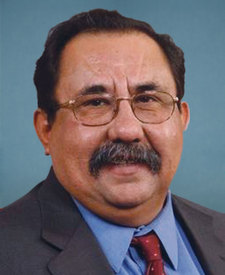
IntroducedMr. Grijalva introduced the following bill; which was referred to …
Impact analysis is available but no clear stakeholder effects identified. View clause-level analysis →
Bill Structure & Actor Mappings
Who is "The Secretary" in each section?
- "secretary_of_agriculture"
- → Secretary of Agriculture
Key Definitions
Terms defined in this bill
a land transfer in paragraph (2), by striking may prescribe
an Indian Tribe with— historic, precontact, cultural, or religious connection to a cultural site located on the National Forest System land
We use a combination of our own taxonomy and classification in addition to large language models to assess meaning and potential beneficiaries. High confidence means strong textual evidence. Always verify with the original bill text.
Learn more about our methodology