To amend the Fair Labor Standards Act of 1938 to strengthen the provisions relating to child labor, and for other purposes.
Analysis under review: This bill has generated analysis that may be too generic or incomplete. Clause-level evidence remains available below.
Summary
What This Bill Does
The CARE Act of 2025 strengthens child labor laws by removing special exemptions that currently allow children to work in agriculture at younger ages, for longer hours, and under more hazardous conditions than in other industries. It aligns protections for child farmworkers with those already in place for children working in other sectors.
Who Benefits and How
Child farmworkers benefit from stronger protections against hazardous work, including a prohibition on children under 18 working as pesticide handlers. Working families benefit from requirements that child employment not interfere with schooling. Labor rights advocates and child welfare organizations see their long-sought policy goals achieved through equal treatment of agricultural and non-agricultural child workers.
Who Bears the Burden and How
Agricultural employers face significantly increased compliance requirements, including mandatory reporting of work-related injuries/illnesses within 5 days and civil penalties of -,000 per violation (up to ,115 for serious injury/death). Farm operations relying on child labor must restructure their workforce as children under 18 can no longer perform hazardous agricultural work except on family farms. Employers face potential criminal penalties including up to 5 years imprisonment for willful violations causing death or serious injury.
Key Provisions
- Eliminates the agricultural exemption that allowed children to work in hazardous farm conditions at younger ages than other industries
- Creates mandatory employer reporting requirements for work-related injuries, illnesses, or deaths of child agricultural workers
- Increases civil penalties for child labor violations to -,000 per violation, with penalties up to ,115 for violations causing serious harm
- Prohibits employment of anyone under 18 as a pesticide handler
- Adds criminal penalties of up to 5 years imprisonment for willful/repeated violations causing death or serious injury
Evidence Chain:
This summary is generated from the full bill text using AI analysis. Expand "Detailed Analysis" below for identified beneficiaries/burden bearers.
At a Glance
What This Bill Does
Strengthens child labor protections under the Fair Labor Standards Act, particularly eliminating exemptions that allow children to work in hazardous agricultural conditions
Key Policy Areas
Labor, Agriculture, Child Welfare, Occupational Safety
Primary Purpose
Strengthens child labor protections under the Fair Labor Standards Act, particularly eliminating exemptions that allow children to work in hazardous agricultural conditions
Policy Domains
Fair Labor Standards Act Amendments
Identified Gains
Contextual inference, no direct clause citation- Child farmworkers
- Working families with children
- Labor rights advocates
- Child welfare organizations
Contextual inference, no direct clause citation
Identified Costs
Contextual inference, no direct clause citation- Agricultural employers
- Farm operations using child labor
- Pesticide application contractors
Contextual inference, no direct clause citation
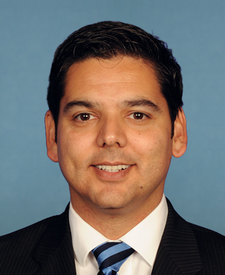
Sponsors
Legislative Progress
IntroducedMr. Ruiz introduced the following bill; which was referred to …
Stakeholder Effects
cui bono?How this legislation distributes effects. Mention counts reflect frequency, not effect magnitude.
Agricultural employers, Agricultural employers hiring workers under 18, Agricultural employers of child workers
Child agricultural workers, Child farmworkers, Child farmworkers on non-family farms
Bureau of Labor Statistics, Department of Labor, Department of Labor Wage and Hour Division
Positive-direction: Department of Labor enforcement
Negative-direction: Bureau of Labor Statistics, Department of Labor, Department of Labor Wage and Hour Division, OSHA
State employment security agencies, States with stronger child labor laws
Positive-direction: States with stronger child labor laws
Negative-direction: State employment security agencies
Bill Structure & Actor Mappings
Who is "The Secretary" in each section?
- "the_secretary"
- → Secretary of Labor
Key Definitions
Terms defined in this bill
Employment of 16-17 year olds in occupations declared hazardous by the Secretary, employment of 14-15 year olds unless determined not to interfere with schooling/health, or employment of any child under 14
Any abnormal condition or disorder resulting from an event or exposure in the work environment; illnesses from events or exposures on employer premises are presumed work-related
We use a combination of our own taxonomy and classification in addition to large language models to assess meaning and potential beneficiaries. High confidence means strong textual evidence. Always verify with the original bill text.
Learn more about our methodology