To promote registered apprenticeships and other work-based learning programs for small and medium-sized businesses within in-demand industry sectors, through the establishment and support of industry or sector partnerships.
Analysis under review: This bill has generated analysis that may be too generic or incomplete. Clause-level evidence remains available below.
Summary
What This Bill Does
This bill, To promote registered apprenticeships and other work-based learning programs for small and medium-sized businesses within in-demand industry sectors, through the establishment and support of industry or sector partnerships., changes federal law or congressional policy affecting workers, employers, and labor regulators. The main policy domain is Labor, Transportation, Education.
Who Benefits and How
workers, employers, and labor regulators may benefit from new authority, funding, eligibility, regulatory clarity, or reduced risk created by the bill.
Who Bears the Burden and How
federal implementing agencies, workers, employers, and labor regulators may take on implementation duties, reporting obligations, compliance costs, or oversight responsibilities.
Key Provisions
- Section HD0485F43C1624604B246A5EE9313E9F6: 1. Short title This Act may be cited as the Promoting Apprenticeships through Regional Training Networks for Employers Required Skills Act of 2023 or the...
- Section HE03D3990804E4668914C80BE01E54629: 2. Purpose The purpose of this Act is to promote registered apprenticeships and other work-based learning programs for small and medium-sized businesses within...
- Section H0741AF2FD77E43539E6C2D4E1EE7BE37: 3. Definitions In this Act: The term eligible partnership means an industry or sector partnership as defined in section 3 of the Workforce Innovation and...
- Section HF1D9559774164DB49D88037CB745D14C: 4. Availability of funds From funds paid into the general fund of the Treasury and available under section 286(s)(2) of the Immigration and Nationality Act (8...
- Section HBB7F482823394B2DA85BBEEC86D06983: 5. Allotments to states Of the amounts available for this Act under section 4, the Secretary may reserve— not more than 5 percent of those amounts for the...
Evidence Chain:
This summary is generated from the full bill text using AI analysis. Expand "Detailed Analysis" below for identified beneficiaries/burden bearers with clause-level evidence links.
At a Glance
What This Bill Does
This bill, To promote registered apprenticeships and other work-based learning programs for small and medium-sized businesses within in-demand industry sectors, through the establishment and support of industry or sector partnerships., changes federal law or congressional policy affecting workers, employers, and labor regulators.
Key Policy Areas
Labor, Transportation, Education
Primary Purpose
This bill, To promote registered apprenticeships and other work-based learning programs for small and medium-sized businesses within in-demand industry sectors, through the establishment and support of industry or sector partnerships., changes federal law or congressional policy affecting workers, employers, and labor regulators.
Policy Domains
Whole bill
Identified Gains
- workers, employers, and labor regulators
Identified Costs
- federal implementing agencies
- workers, employers, and labor regulators
Sponsors

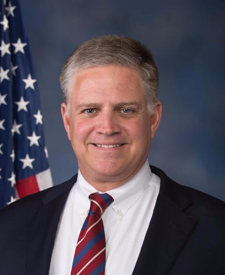
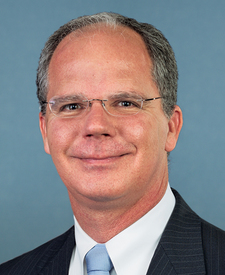

Legislative Progress
IntroducedMs. Bonamici (for herself, Mr. Ferguson, Ms. Stevens, and Mr. …
Impact analysis is available but no clear stakeholder effects identified. View clause-level analysis →
Bill Structure & Actor Mappings
Who is "The Secretary" in each section?
- "secretary_of_labor"
- → Secretary of Labor
- "secretary_of_education"
- → Secretary of Education
- "secretary_of_health_and_human_services"
- → Secretary of Health and Human Services
Key Definitions
Terms defined in this bill
that the entity provides services in, respectively, a local area or region. The term registered apprenticeship means an apprenticeship registered under the Act of August 16, 1937 (commonly known as the National Apprenticeship Act
We use a combination of our own taxonomy and classification in addition to large language models to assess meaning and potential beneficiaries. High confidence means strong textual evidence. Always verify with the original bill text.
Learn more about our methodology