To amend the Federal Water Pollution Control Act to restore a national minimum standard of protection for the water resources of the United States while providing certainty to regulated entities.
Analysis under review: This bill has generated analysis that may be too generic or incomplete. Clause-level evidence remains available below.
Summary
What This Bill Does
This bill, To amend the Federal Water Pollution Control Act to restore a national minimum standard of protection for the water resources of the United States while providing certainty to regulated entities., changes federal law or congressional policy affecting environmental regulators and natural-resource users. The main policy domain is Environment, Healthcare, Energy.
Who Benefits and How
environmental regulators and natural-resource users may benefit from new authority, funding, eligibility, regulatory clarity, or reduced risk created by the bill.
Who Bears the Burden and How
federal implementing agencies, environmental regulators and natural-resource users may take on implementation duties, reporting obligations, compliance costs, or oversight responsibilities.
Key Provisions
- Section H96E966C60F694238A76163CD5374EC27: 1. Short title This Act may be cited as the Clean Water Act of 2023.
- Section H570868E8AEA94C80ACC462956EF69168: 2. Purposes The purposes of this Act are as follows: To reaffirm the commitment of Congress to restore and maintain the chemical, physical, and biological...
- Section H6E1E41677FE94A1CBC8FDECAE66CBF36: 3. Findings Congress finds the following: Water is a singular and precious resource that sustains all life and is fundamental to civilization’s survival,...
- Section HB39BF398BC0E4DA895B8E1488059D8AD: 4. Protected water resources Section 502 of the Federal Water Pollution Control Act (33 U.S.C. 1362) is amended— by amending paragraph (7) to read as follows:...
Evidence Chain:
This summary is generated from the full bill text using AI analysis. Expand "Detailed Analysis" below for identified beneficiaries/burden bearers with clause-level evidence links.
At a Glance
What This Bill Does
This bill, To amend the Federal Water Pollution Control Act to restore a national minimum standard of protection for the water resources of the United States while providing certainty to regulated entities., changes federal law or congressional policy affecting environmental regulators and natural-resource users.
Key Policy Areas
Environment, Healthcare, Energy
Primary Purpose
This bill, To amend the Federal Water Pollution Control Act to restore a national minimum standard of protection for the water resources of the United States while providing certainty to regulated entities., changes federal law or congressional policy affecting environmental regulators and natural-resource users.
Policy Domains
Whole bill
Identified Gains
- environmental regulators and natural-resource users
Identified Costs
- federal implementing agencies
- environmental regulators and natural-resource users
Sponsors



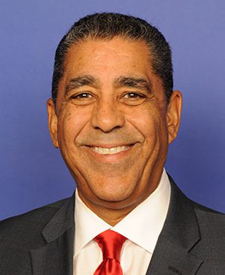

Legislative Progress
In CommitteeReferred to the Committee on Transportation and Infrastructure
Mr. Larsen of Washington (for himself, Mrs. Napolitano, Mr. Beyer, …
Impact analysis is available but no clear stakeholder effects identified. View clause-level analysis →
Bill Structure & Actor Mappings
Who is "The Secretary" in each section?
- "the_administrator"
- → The Administrator identified in the operative section
We use a combination of our own taxonomy and classification in addition to large language models to assess meaning and potential beneficiaries. High confidence means strong textual evidence. Always verify with the original bill text.
Learn more about our methodology