To authorize the extension of nondiscriminatory treatment (normal trade relations treatment) to products of certain countries.
Summary
What This Bill Does
This bill gives the President authority to determine that title IV of the Trade Act of 1974 should no longer apply to a covered country and, after making that determination, proclaim nondiscriminatory treatment, also known as normal trade relations treatment, for products of that country. Once the proclamation is effective, title IV ceases to apply to the covered country. Covered country is broad but expressly excludes Belarus, Cuba, and North Korea. The practical effect is a country-by-country off-ramp from title IV trade restrictions for eligible countries, letting the President normalize tariff treatment for their products without covering the excluded countries.
Who Benefits and How
Exporters in eligible covered countries benefit because their products can receive normal trade relations treatment in the United States. U.S. importers benefit if goods from newly covered countries face nondiscriminatory tariff treatment and become cheaper or easier to source. The President benefits from discretionary authority to remove title IV treatment from eligible countries and proclaim normal trade relations. U.S. consumers may benefit from lower landed costs or broader supply options if normal trade relations lowers tariff barriers.
Who Bears the Burden and How
Domestic producers competing with imports from newly covered countries may face more price competition. U.S. Customs and Border Protection tariff administrators must apply any presidential proclamation and update treatment for covered-country products. Belarus, Cuba, and North Korea remain excluded from the new authority and do not receive the benefit.
Key Provisions
- Authorizes the President to determine that title IV of the Trade Act of 1974 should no longer apply to a covered country.
- Authorizes the President to proclaim normal trade relations treatment for products of a covered country after making that determination.
- Provides that title IV ceases to apply to the covered country once nondiscriminatory treatment takes effect.
- Excludes Belarus, Cuba, and North Korea from the definition of covered country.
Evidence Chain:
This summary is generated from the full bill text using AI analysis. Expand "Detailed Analysis" below for identified beneficiaries/burden bearers with clause-level evidence links.
At a Glance
What This Bill Does
Authorizes the President to end title IV Trade Act restrictions and extend nondiscriminatory normal trade relations treatment to products of covered countries other than Belarus, Cuba, and North Korea.
Key Policy Areas
Trade, Tariffs, Foreign Affairs
Primary Purpose
Authorizes the President to end title IV Trade Act restrictions and extend nondiscriminatory normal trade relations treatment to products of covered countries other than Belarus, Cuba, and North Korea.
Policy Domains
Substantive provisions
Identified Gains
- Exporters in eligible covered countries
- U.S. importers
- President of the United States
- U.S. consumers
Identified Costs
- Domestic import-competing producers
- Customs tariff administrators
- Belarus exporters
- Cuba exporters
- North Korea exporters
Sponsors
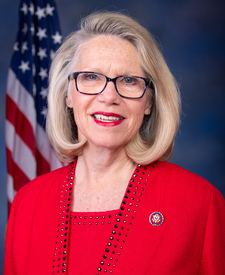
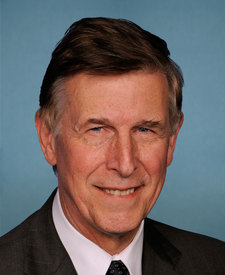

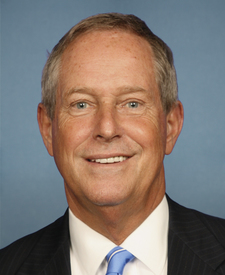

Legislative Progress
In CommitteeMrs. Miller of West Virginia (for herself and Mr. Panetta) …
Referred to the House Committee on Ways and Means.
Introduced in House
Bill Structure & Actor Mappings
Who is "The Secretary" in each section?
We use a combination of our own taxonomy and classification in addition to large language models to assess meaning and potential beneficiaries. High confidence means strong textual evidence. Always verify with the original bill text.
Learn more about our methodology