Airline Travelers Right to Know Act
Summary
What This Bill Does
The Airline Travelers Right to Know Act adds a new toxic fume disclosure chapter to aviation law for passenger-carrying aircraft operated under part 121. Within 180 days, the FAA Administrator must implement and enforce a right-to-know policy describing potential toxic fume exposures that can cause permanent health or brain damage. Airlines and third-party booking entities must make that policy available to passengers immediately after ticket purchase, and operators must require passengers to acknowledge the risk before ticket purchase or check-in. The required information covers acute and chronic impairment, chemicals in jet engine exhaust, fuel fumes, and service-equipment exhaust, possible fume entry through jet bridges and during flight, safety management systems, oxygen therapy, and the right to use cabin oxygen masks during a toxic fume event. Airlines must notify crew of the most recent toxic fume exposure on an aircraft, whether it has been resolved, and whether crew requested treatment; crew may decline assignment on an unresolved aircraft without penalty. FAA and DOT enforcement is backed by civil penalties for disclosure violations, false statements or misrepresentations tied to confirmed illness, and missing reports discovered during DOT inspections.
Who Benefits and How
Airline passengers benefit because they receive explicit fume-risk information before travel decisions and must acknowledge the risk before ticketing or check-in. Pilots and cabin crew benefit because operators must disclose recent aircraft fume events and allow them to refuse unresolved aircraft assignments without penalty. Passengers and crew who become ill benefit from reporting and penalty rules that create stronger incentives for truthful aircraft fume-event records. FAA aviation safety officials benefit from a statutory enforcement framework for toxic fume disclosures and civil penalties. DOT inspectors benefit because missing reports found during inspections trigger a specified $100,000 penalty.
Who Bears the Burden and How
Air carriers operating Part 121 passenger aircraft must build disclosure, acknowledgement, crew-notification, reporting, and recordkeeping systems. Third-party booking entities must provide the toxic fume policy to passengers immediately after ticket purchase. FAA enforcement staff must implement the right-to-know policy within 180 days and assess civil penalties for disclosure and false-statement violations. Airline safety management staff must track fume events, resolution status, crew treatment requests, and aircraft assignment restrictions. Operators face civil penalties for each disclosure violation, false statement or misrepresentation demonstrated by confirmed illness, and missing report.
Key Provisions
- Requires FAA to implement and enforce a toxic fume right-to-know policy within 180 days.
- Requires airlines or third-party booking entities to provide passengers the policy immediately after ticket purchase.
- Requires passenger acknowledgement of potential toxic fume exposure before ticket purchase or check-in.
- Requires operators to notify crew of recent aircraft fume events, resolution status, and treatment requests.
- Lets crew decline assignment to aircraft with unresolved fume issues without penalty.
- Creates civil penalties for disclosure violations, false statements or misrepresentations, and missing reports found during DOT inspections.
Evidence Chain:
This summary is generated from the full bill text using AI analysis. Expand "Detailed Analysis" below for identified beneficiaries/burden bearers with clause-level evidence links.
At a Glance
What This Bill Does
Requires airlines and ticket sellers to disclose toxic fume exposure risks on Part 121 passenger aircraft, requires passenger and crew notifications, gives crew the option to decline unresolved aircraft assignments without penalty, and creates civil penalties for disclosure failures, false statements, and missing reports.
Key Policy Areas
Aviation Safety, Consumer Protection, Labor
Primary Purpose
Requires airlines and ticket sellers to disclose toxic fume exposure risks on Part 121 passenger aircraft, requires passenger and crew notifications, gives crew the option to decline unresolved aircraft assignments without penalty, and creates civil penalties for disclosure failures, false statements, and missing reports.
Policy Domains
Substantive provisions
Identified Gains
- Airline passengers
- Pilots
- Cabin crew
- FAA aviation safety officials
- DOT inspectors
Identified Costs
- Part 121 air carriers
- Third-party booking entities
- FAA enforcement staff
- Airline safety management staff
- Aircraft operators with missing reports
Legislative Progress
In CommitteeReferred to the Subcommittee on Aviation.
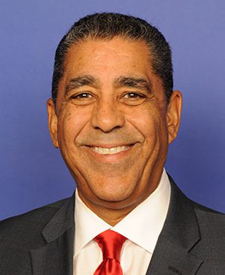
Mr. Espaillat introduced the following bill; which was referred to …
Referred to the House Committee on Transportation and Infrastructure.
Introduced in House
Stakeholder Effects
cui bono?How this legislation distributes effects. Mention counts reflect frequency, not effect magnitude.
Airline pilots and cabin crew (right to decline unsafe assignments without penalty), Airlines (must track, disclose fume events, and accommodate crew refusals), Airlines and online ticket platforms (must add acknowledgment step)
Positive-direction: Airline pilots and cabin crew (right to decline unsafe assignments without penalty), Pilots and cabin crew (disclosure in contracts, right to oxygen masks)
Negative-direction: Airlines (must track, disclose fume events, and accommodate crew refusals), Airlines and online ticket platforms (must add acknowledgment step), Airlines and third-party ticket booking entities (must display disclosure), Airlines operating Part 121 passenger aircraft, Airlines operating Part 121 passenger aircraft (face $100K per missing report), Airlines that misrepresent or conceal toxic fume events
Airline passengers, Airline passengers (informed of fume risks and right to oxygen masks)
Aviation safety equipment manufacturers (oxygen masks)
Third-party travel booking platforms
Bill Structure & Actor Mappings
Who is "The Secretary" in each section?
We use a combination of our own taxonomy and classification in addition to large language models to assess meaning and potential beneficiaries. High confidence means strong textual evidence. Always verify with the original bill text.
Learn more about our methodology