AI–WISE Act
Summary
What This Bill Does
The AI-WISE Act adds a new section 49 to the Small Business Act. SBA must establish and maintain educational resources and modules for small business concerns with information on artificial intelligence tools, and make them publicly available on an existing SBA online learning platform. SBA must establish the resources within 180 days after enactment.
The required content is detailed. To the extent practicable, the modules must explain how AI models work, the limits of model capabilities, how those limits affect outputs, how to identify AI-generated software outputs, how to stay current as AI develops, how to understand AI user policies and terms, how to coordinate with third-party AI providers, how to identify and manage AI risks, how to protect privacy in user inputs, how to retain human involvement in important AI-informed decisions, how to identify tasks AI can reliably perform, and how to decide whether an AI tool fills a business need and is worth adopting.
SBA must keep the information accurate and current by consulting with NIST and an advisory working group. The advisory group must include AI experts from the private sector, academia, organizations focused on reliable, secure, transparent, lawful, privacy-protecting AI outputs, AI education-material experts, SBA resource partners, SBA district office representatives, and small-business association representatives. SBA must coordinate with resource partners to spread awareness, and resource partners may create specialized local training. SBA must make the resources actionable, understandable, model-neutral, and vendor-neutral.
Who Benefits and How
Small business owners benefit from public SBA modules explaining how to evaluate AI tools, manage risks, protect data, improve operations, and decide whether adoption is worthwhile. SBA resource partners benefit because they can use federal materials and localize them for the communities they serve. Small Business Development Centers benefit from a clearer role in AI outreach and localized training. AI education specialists benefit from advisory-working-group seats and a channel to shape practical small-business guidance. Privacy-conscious small businesses benefit because the resources must address user-input privacy and human oversight. NIST staff benefit from a formal consultation role on accuracy and current technical information.
Who Bears the Burden and How
SBA program staff must build, maintain, and publish the modules on an existing platform within 180 days. SBA district offices and resource partners must coordinate outreach and may develop localized training. Advisory working group members must identify and recommend current AI information on an ongoing basis. NIST technical staff must consult on factual accuracy and current AI practices. AI vendors face a neutral-presentation rule because SBA may not prefer one model, tool, entity, or group of entities over another. SBA platform managers must keep materials actionable, understandable, current, and vendor-neutral.
Key Provisions
- Requires SBA to establish and maintain AI educational resources and modules for small businesses.
- Requires the resources to be publicly available on an existing SBA online learning platform.
- Provides required content on model limits, AI-generated output detection, technology updates, user terms, third-party providers, risk management, privacy, human oversight, task suitability, and adoption decisions.
- Requires SBA to consult with NIST and an advisory working group to keep content accurate and current.
- Establishes advisory group membership from AI experts, academia, privacy and security organizations, educational-material experts, resource partners, district offices, and small-business associations.
- Requires SBA coordination with resource partners and allows localized AI training resources.
- Requires the modules to be actionable, understandable, model-neutral, and vendor-neutral.
- Requires SBA to establish the resources within 180 days.
Evidence Chain:
This summary is generated from the full bill text using AI analysis. Expand "Detailed Analysis" below for identified beneficiaries/burden bearers with clause-level evidence links.
At a Glance
What This Bill Does
Requires SBA to establish AI educational resources and modules for small businesses on an existing SBA online learning platform, covering model limits, AI-generated output detection, technology updates, terms of use, third-party provider coordination, risk management, privacy, human oversight, task suitability, and adoption decisions, with NIST and advisory-working-group input and resource-partner outreach.
Key Policy Areas
Small Business, Artificial Intelligence, Technology Education
Primary Purpose
Requires SBA to establish AI educational resources and modules for small businesses on an existing SBA online learning platform, covering model limits, AI-generated output detection, technology updates, terms of use, third-party provider coordination, risk management, privacy, human oversight, task suitability, and adoption decisions, with NIST and advisory-working-group input and resource-partner outreach.
Policy Domains
House resolution provisions
Identified Gains
- Small business owners
- SBA resource partners
- Small Business Development Centers
- AI education specialists
- Privacy-conscious small businesses
- NIST staff
Identified Costs
- SBA program staff
- SBA district offices
- SBA resource partners
- Advisory working group members
- NIST technical staff
- AI vendors
- SBA platform managers
Sponsors
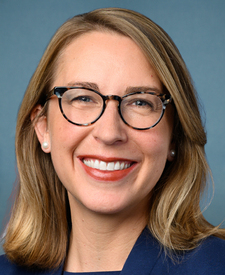

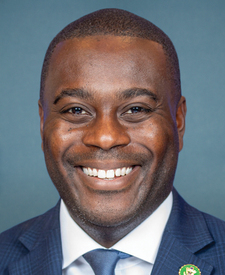
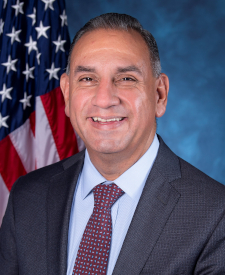
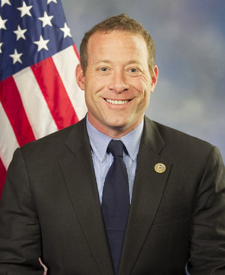
Legislative Progress
ReportedReceived; read twice and referred to the Committee on Small …
Received in the Senate and Read twice and referred to …
Motion to reconsider laid on the table Agreed to without …
Motion to reconsider laid on the table Agreed to without …
On motion to suspend the rules and pass the bill …
DEBATE - The House proceeded with forty minutes of debate …
Passed/agreed to in House: On motion to suspend the rules …
Considered under suspension of the rules. (consideration: CR H934-936)
Placed on the Union Calendar, Calendar No. 353.
Additional sponsors: Mr. Gottheimer, Mr. Fitzpatrick, Mr. Cisneros, Ms. Goodlander, …
Stakeholder Effects
cui bono?How this legislation distributes effects. Mention counts reflect frequency, not effect magnitude.
SBA program managers, SBA program staff, SBA resource partners
Positive-direction: Small business owners, Small businesses evaluating AI tools
Negative-direction: SBA program managers, SBA program staff, SBA resource partners, Small Business Development Centers
Bill Structure & Actor Mappings
Who is "The Secretary" in each section?
- "sba"
- → Small Business Administration
- "nist"
- → National Institute of Standards and Technology
- "resource_partners"
- → SBA resource partners
We use a combination of our own taxonomy and classification in addition to large language models to assess meaning and potential beneficiaries. High confidence means strong textual evidence. Always verify with the original bill text.
Learn more about our methodology