To direct the Secretary of Housing and Urban Development to establish a demonstration program to refer qualified participants within the Continuum of Care Program to Certified Community Behavioral Health Clinics for certain treatment, and for other purposes.
Analysis under review: This bill has generated analysis that may be too generic or incomplete. Clause-level evidence remains available below.
Summary
What This Bill Does
This bill, To direct the Secretary of Housing and Urban Development to establish a demonstration program to refer qualified participants within the Continuum of Care Program to Certified Community Behavioral Health Clinics for certain treatment, and for other purposes., changes federal law or congressional policy affecting health care providers and patients. The main policy domain is Healthcare, Housing, Social Welfare.
Who Benefits and How
health care providers and patients may benefit from new authority, funding, eligibility, regulatory clarity, or reduced risk created by the bill.
Who Bears the Burden and How
federal implementing agencies, health care providers and patients may take on implementation duties, reporting obligations, compliance costs, or oversight responsibilities.
Key Provisions
- Section HB8B44AE8181E484A8E16E27F62D3A505: 1. Short title This Act may be cited as the Treatment and Homelessness Housing Integration Act of 2024.
- Section HC7DA80FDC7BB496988C92D3EAE218F2B: 2. Integration of treatment plans for homeless individuals Not later than 180 days after the date of the enactment of this section, the Secretary of Housing...
Evidence Chain:
This summary is generated from the full bill text using AI analysis. Expand "Detailed Analysis" below for identified beneficiaries/burden bearers with clause-level evidence links.
At a Glance
What This Bill Does
This bill, To direct the Secretary of Housing and Urban Development to establish a demonstration program to refer qualified participants within the Continuum of Care Program to Certified Community Behavioral Health Clinics for certain treatment, and for other purposes., changes federal law or congressional policy affecting health care providers and patients.
Key Policy Areas
Healthcare, Housing, Social Welfare
Primary Purpose
This bill, To direct the Secretary of Housing and Urban Development to establish a demonstration program to refer qualified participants within the Continuum of Care Program to Certified Community Behavioral Health Clinics for certain treatment, and for other purposes., changes federal law or congressional policy affecting health care providers and patients.
Policy Domains
Whole bill
Identified Gains
- health care providers and patients
Identified Costs
- federal implementing agencies
- health care providers and patients
Sponsors
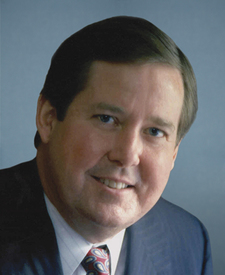
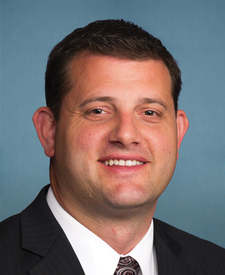
Legislative Progress
IntroducedMr. Calvert (for himself and Mr. Valadao) introduced the following …
Impact analysis is available but no clear stakeholder effects identified. View clause-level analysis →
Bill Structure & Actor Mappings
Who is "The Secretary" in each section?
- "secretary_of_housing_and_urban_development"
- → Secretary of Housing and Urban Development
Key Definitions
Terms defined in this bill
an individual that— receives supportive housing through the Continuum of Care Program under subtitle C of title IV of the McKinney-Vento Homeless Assistance Act (42 U.S.C. 11381 et seq.)
We use a combination of our own taxonomy and classification in addition to large language models to assess meaning and potential beneficiaries. High confidence means strong textual evidence. Always verify with the original bill text.
Learn more about our methodology