EQUALS Act of 2025
Summary
What This Bill Does
This bill lengthens federal employee probation and trial periods. For most new competitive-service employees, initial appointment becomes final only after a two-year probationary period. Preference eligible employees receive a one-year period. The employing agency must evaluate fitness and public-interest value during probation, terminate the employee on the last day unless the agency certifies retention to OPM in the final 30 days, give written notice before termination, and notify supervisors or managers 1 year, 6 months, 3 months, and 30 days before the period ends. If an administrative error caused failure to certify, the agency head may petition OPM within 30 days for reinstatement with back pay.
The bill creates a parallel two-year trial period for most excepted-service employees and a one-year period for preference eligible excepted-service employees. It extends probation and trial rules to FAA and TSA personnel systems. It also changes adverse-action and appeal thresholds in title 5 so preference eligible employees generally use one year of current continuous service while other covered employees use two years. OPM must issue implementing regulations within 180 days, and the changes generally take effect one year after enactment.
Who Benefits and How
Agency supervisors benefit from a longer period to evaluate new employees before appointments become final. Agency human resources offices benefit from clearer statutory certification, notice, and reinstatement procedures. OPM rulemaking staff benefit from explicit authority to implement the probation and trial-period framework. Preference eligible applicants benefit relative to other new employees because their probation or trial period remains one year rather than two. Federal managers seeking removals benefit from longer service thresholds before some adverse-action protections attach.
Who Bears the Burden and How
New competitive-service employees face a two-year period before final appointment and greater termination risk during that period. New excepted-service employees face a two-year trial period and must restart in some reappointment situations after a break of more than 30 days. Agency supervisors must evaluate fitness, send certifications, give notices, and monitor end dates. Agency human resources offices must track training, license, probation, trial, transfer, promotion, reassignment, and reinstatement rules. OPM staff must issue regulations within 180 days. Non-preference eligible employees lose the shorter one-year threshold for some adverse-action protections.
Key Provisions
- Extends the competitive-service probationary period to two years for most new employees.
- Preserves a one-year probation or trial period for preference eligible employees.
- Requires agencies to certify that final appointment advances the public interest before probation ends.
- Creates a two-year excepted-service trial period and restart rules after certain breaks in service.
- Applies probation and trial-period rules to FAA and TSA personnel systems.
- Modifies adverse-action service thresholds to one year for preference eligible employees and two years for other covered employees.
- Directs OPM to issue implementing regulations within 180 days.
Evidence Chain:
This summary is generated from the full bill text using AI analysis. Expand "Detailed Analysis" below for identified beneficiaries/burden bearers with clause-level evidence links.
At a Glance
What This Bill Does
Extends probationary and trial periods for most new competitive-service and excepted-service federal employees to two years, keeps a one-year period for preference eligible employees, changes adverse-action service thresholds, applies the rules to FAA and TSA personnel systems, and requires OPM regulations within 180 days.
Key Policy Areas
Federal Workforce, Civil Service, Veterans Preference
Primary Purpose
Extends probationary and trial periods for most new competitive-service and excepted-service federal employees to two years, keeps a one-year period for preference eligible employees, changes adverse-action service thresholds, applies the rules to FAA and TSA personnel systems, and requires OPM regulations within 180 days.
Policy Domains
House resolution provisions
Identified Gains
- Agency supervisors
- Agency human resources offices
- OPM rulemaking staff
- Preference eligible applicants
- Federal managers seeking removals
Identified Costs
- New competitive-service employees
- New excepted-service employees
- Agency supervisors
- Agency human resources offices
- OPM staff
- Non-preference eligible employees
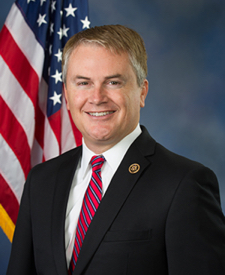
Sponsors




Legislative Progress
ReportedPlaced on the Union Calendar, Calendar No. 524.
Reported (Amended) by the Committee on Oversight and Government Reform. …
Additional sponsors: Mr. Comer, Mr. Cloud, Mr. Moore of Alabama, …
Placed on the Union Calendar, Calendar No. 524.
Ordered to be Reported (Amended) by the Yeas and Nays: …
Committee Consideration and Mark-up Session Held
Introduced in House
Referred to the House Committee on Oversight and Government Reform.
Mr. Gill of Texas introduced the following bill; which was …
Stakeholder Effects
cui bono?How this legislation distributes effects. Mention counts reflect frequency, not effect magnitude.
Agency human resources offices, Agency labor relations staff, Agency supervisors
Positive-direction: Federal managers seeking removals, Preference eligible applicants, Preference eligible employees, Preference eligible excepted-service employees
Negative-direction: Agency human resources offices, Agency labor relations staff, Agency supervisors, FAA human resources offices, New competitive-service employees, New excepted-service employees, Non-preference eligible employees, OPM rulemaking staff, OPM staff, TSA human resources offices
Bill Structure & Actor Mappings
Who is "The Secretary" in each section?
- "faa"
- → Federal Aviation Administration
- "opm"
- → Office of Personnel Management
- "tsa"
- → Transportation Security Administration
We use a combination of our own taxonomy and classification in addition to large language models to assess meaning and potential beneficiaries. High confidence means strong textual evidence. Always verify with the original bill text.
Learn more about our methodology