Shutdown Guidance for Financial Institutions Act
Summary
What This Bill Does
The Shutdown Guidance for Financial Institutions Act directs the Federal Reserve Board, CFPB, OCC, FDIC, and NCUA to prepare joint guidance for shutdown-related credit hardship. Within 180 days, after consulting state banking regulators and other agencies, the regulators must encourage financial institutions to work with affected consumers and businesses, recognize temporary hardship on mortgages, student loans, car loans, business loans, and credit cards, consider prudent loan modifications or new credit consistent with safe and sound lending, and prevent modified arrangements from being reported or coded in ways that harm consumer creditworthiness. Within 24 hours after a shutdown starts, regulators must issue a press release alerting institutions, consumers, and businesses to the guidance. Within 90 days after the shutdown ends, they must report to Congress on effectiveness and update the guidance within 180 days if shortcomings are identified. The bill defines affected consumers to include furloughed or excepted federal employees, unpaid District of Columbia employees, and federal contractor or business workers with substantial shutdown-related pay reductions.
Who Benefits and How
Federal employees affected by shutdowns benefit because regulators would encourage loan flexibility and protection from harmful credit reporting. Federal contractor employees benefit when pay reductions from shutdowns are treated as temporary hardship by lenders. Small businesses affected by shutdowns benefit from guidance encouraging prudent credit extensions and loan modifications. Financial institutions benefit from coordinated regulator guidance on how to handle shutdown-related borrower hardship.
Who Bears the Burden and How
Federal financial regulators must jointly draft guidance, consult state regulators, issue press releases, report to Congress, and update guidance. State banking regulators must consult on shutdown guidance and coordination. Consumer reporting agencies may need to account for modified credit arrangements that regulators say should not damage creditworthiness. Regulated financial institutions must review borrower accommodations, reporting practices, and safe-and-sound lending controls.
Key Provisions
- Requires joint shutdown guidance from the Federal Reserve, CFPB, OCC, FDIC, and NCUA within 180 days.
- Provides guidance on loan modifications, new credit, and credit-reporting treatment for shutdown-affected borrowers.
- Requires a public press release within 24 hours after a shutdown starts.
- Requires a congressional effectiveness report within 90 days after a shutdown ends.
- Requires updated guidance within 180 days when the report identifies shortcomings.
Evidence Chain:
This summary is generated from the full bill text using AI analysis. Expand "Detailed Analysis" below for identified beneficiaries/burden bearers with clause-level evidence links.
At a Glance
What This Bill Does
Requires federal financial regulators to issue joint shutdown guidance within 180 days encouraging regulated financial institutions to work with consumers and businesses harmed by appropriations lapses, issue a 24-hour shutdown press release, report to Congress within 90 days after a shutdown, and update guidance if shortcomings are found.
Key Policy Areas
Banking, Consumer Credit, Government Shutdowns
Primary Purpose
Requires federal financial regulators to issue joint shutdown guidance within 180 days encouraging regulated financial institutions to work with consumers and businesses harmed by appropriations lapses, issue a 24-hour shutdown press release, report to Congress within 90 days after a shutdown, and update guidance if shortcomings are found.
Policy Domains
Resolution provisions
Identified Gains
- Federal employees affected by shutdowns
- Federal contractor employees
- Small businesses affected by shutdowns
- Financial institutions
Identified Costs
- Federal financial regulators
- State banking regulators
- Consumer reporting agencies
- Regulated financial institutions
Sponsors


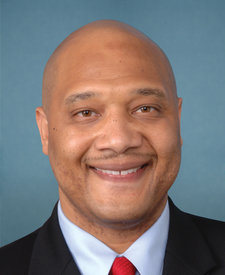


Legislative Progress
In CommitteeMr. Subramanyam (for himself, Mr. Beyer, Mr. Horsford, Mr. Lieu, …
Referred to the Committee on Financial Services, and in addition …
Introduced in House
Stakeholder Effects
cui bono?How this legislation distributes effects. Mention counts reflect frequency, not effect magnitude.
Bill Structure & Actor Mappings
Who is "The Secretary" in each section?
We use a combination of our own taxonomy and classification in addition to large language models to assess meaning and potential beneficiaries. High confidence means strong textual evidence. Always verify with the original bill text.
Learn more about our methodology