To establish a matched savings program for low-income students.
Analysis under review: This bill has generated analysis that may be too generic or incomplete. Clause-level evidence remains available below.
Summary
What This Bill Does
This bill, To establish a matched savings program for low-income students., changes federal law or congressional policy affecting financial institutions, investors, and borrowers. The main policy domain is Finance, Education, Government Operations.
Who Benefits and How
financial institutions, investors, and borrowers may benefit from new authority, funding, eligibility, regulatory clarity, or reduced risk created by the bill.
Who Bears the Burden and How
federal implementing agencies, financial institutions, investors, and borrowers may take on implementation duties, reporting obligations, compliance costs, or oversight responsibilities.
Key Provisions
- Section H987DF99CDAE1472384B0CC92F0C50736: 1. Short title This Act may be cited as the Earn to Learn Act.
- Section H4AD860C8242149B7A43EC3E161F83CDB: 2. Findings Congress finds the following: Skyrocketing costs of higher education are outpacing available financial aid. Individuals in the United States owe...
- Section H0E8CBB10D04A4DF4A5CBD0D06829DFA6: 3. Purpose It is the purpose of this Act to— establish a proven and innovative matched savings program for low-income students that provides the financial...
- Section H132886B6AA7646B5818A62F20E01A14B: 4. Definitions In this Act: The term 529 account means a qualified tuition program as defined in section 529(b) of the Internal Revenue Code of 1986. The term...
- Section H043FF80BCBD548E3915903921C64FE3D: 5. Postsecondary education match savings account demonstration grant program Not later than 9 months after the date of enactment of this Act, the Secretary...
Evidence Chain:
This summary is generated from the full bill text using AI analysis. Expand "Detailed Analysis" below for identified beneficiaries/burden bearers with clause-level evidence links.
At a Glance
What This Bill Does
This bill, To establish a matched savings program for low-income students., changes federal law or congressional policy affecting financial institutions, investors, and borrowers.
Key Policy Areas
Finance, Education, Government Operations
Primary Purpose
This bill, To establish a matched savings program for low-income students., changes federal law or congressional policy affecting financial institutions, investors, and borrowers.
Policy Domains
Whole bill
Identified Gains
- financial institutions, investors, and borrowers
Identified Costs
- federal implementing agencies
- financial institutions, investors, and borrowers
Sponsors


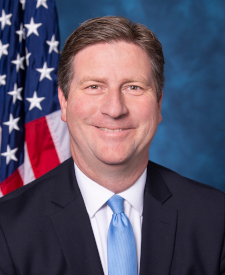

Legislative Progress
IntroducedMs. Lee of Nevada (for herself, Mr. Schweikert, Mr. Stanton, …
Impact analysis is available but no clear stakeholder effects identified. View clause-level analysis →
Bill Structure & Actor Mappings
Who is "The Secretary" in each section?
- "secretary_of_education"
- → Secretary of Education
Key Definitions
Terms defined in this bill
the Secretary of Education. The term student with preliminary eligibility means an individual who— is from a low-income family, as determined by an eligible entity
We use a combination of our own taxonomy and classification in addition to large language models to assess meaning and potential beneficiaries. High confidence means strong textual evidence. Always verify with the original bill text.
Learn more about our methodology