NFIP Extension Act of 2026
Summary
What This Bill Does
This bill extends the National Flood Insurance Program through September 30, 2026. It amends the National Flood Insurance Act provisions that set program expiration and related financing authority, replacing the prior date with September 30, 2026. The later reported text includes an effective-date provision so the extension is treated as if it had been enacted on January 30, 2026.
The practical effect is continuity. FEMA can keep issuing and renewing NFIP policies, communities can remain in the federal flood-insurance framework, and mortgage closings that require flood insurance can continue to rely on the federal program through the new date. The bill does not redesign rates, mapping, mitigation grants, or program structure; it is a temporary authorization extension.
Who Benefits and How
FEMA benefits because the agency receives continued authority to administer the National Flood Insurance Program. Flood insurance policyholders benefit because renewals and coverage access continue through September 30, 2026. Homebuyers in flood zones benefit because required flood insurance remains available for mortgage closings. Mortgage lenders benefit from continuity in collateral-protection requirements. Insurance agents and Write Your Own insurers benefit because policy issuance and servicing can continue without a statutory lapse. Flood-prone communities benefit because participation in the NFIP framework remains available.
Who Bears the Burden and How
FEMA program administrators must continue operating the NFIP, processing renewals, supporting participating communities, and managing program financing authority. Insurance agents and Write Your Own insurers must continue compliance with NFIP servicing rules. Mortgage lenders must keep verifying flood-insurance coverage for covered properties. Congress bears pressure to revisit longer-term NFIP reform before the September 30, 2026 expiration date. Federal taxpayers remain exposed to NFIP financing risk while the program is extended without structural reform.
Key Provisions
- Extends National Flood Insurance Program authorization through September 30, 2026.
- Extends related National Flood Insurance Act financing authority through September 30, 2026.
- Provides effective-date treatment as if the extension had been enacted on January 30, 2026.
- Preserves temporary continuity for FEMA policy issuance, renewals, and program administration.
- Leaves broader NFIP rate, mapping, mitigation, and solvency reforms for later legislation.
Evidence Chain:
This summary is generated from the full bill text using AI analysis. Expand "Detailed Analysis" below for identified beneficiaries/burden bearers with clause-level evidence links.
At a Glance
What This Bill Does
Extends National Flood Insurance Program authorization and related financing authority through September 30, 2026, including an effective-date provision so the extension operates as if enacted before the prior January 30, 2026 lapse date.
Key Policy Areas
Flood Insurance, Housing, Disaster Resilience
Primary Purpose
Extends National Flood Insurance Program authorization and related financing authority through September 30, 2026, including an effective-date provision so the extension operates as if enacted before the prior January 30, 2026 lapse date.
Policy Domains
House resolution provisions
Identified Gains
- FEMA
- Flood insurance policyholders
- Homebuyers in flood zones
- Mortgage lenders
- Insurance agents
- Write Your Own insurers
- Flood-prone communities
Identified Costs
- FEMA program administrators
- Insurance agents
- Write Your Own insurers
- Mortgage lenders
- Congressional committees
- Federal taxpayers
Sponsors




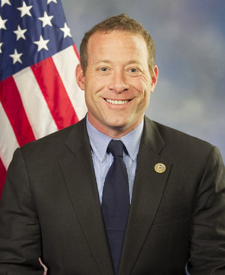
Legislative Progress
ReportedAdditional sponsors: Mr. Carter of Georgia, Mr. Van Drew, Mr. …
Reported with an amendment, committed to the Committee of the …
Placed on the Union Calendar, Calendar No. 391.
Reported (Amended) by the Committee on Financial Services. H. Rept. …
Committee Consideration and Mark-up Session Held
Ordered to be Reported (Amended) by the Yeas and Nays: …
Committee Consideration and Mark-up Session Held
Introduced in House
Referred to the House Committee on Financial Services.
Mr. Garbarino introduced the following bill; which was referred to …
Stakeholder Effects
cui bono?How this legislation distributes effects. Mention counts reflect frequency, not effect magnitude.
General public, NFIP-participating communities, Taxpayers
Positive-direction: NFIP-participating communities
Negative-direction: Taxpayers
Homeowners in flood-prone areas, Insurance agents writing flood policies
Real estate and construction industries in flood zones
Bill Structure & Actor Mappings
Who is "The Secretary" in each section?
- "fema"
- → Federal Emergency Management Agency
- "nfip"
- → National Flood Insurance Program
We use a combination of our own taxonomy and classification in addition to large language models to assess meaning and potential beneficiaries. High confidence means strong textual evidence. Always verify with the original bill text.
Learn more about our methodology