To promote classical and traditional architectural styles in Federal public buildings to enhance civic pride, reflect national heritage, and ensure aesthetic excellence in government infrastructure, and for other purposes.
Analysis under review: This bill has generated analysis that may be too generic or incomplete. Clause-level evidence remains available below.
Summary
What This Bill Does
The bill expands a appropriation, compliance mandate provision: 3. Policy of the United States It is the policy of the United States that— applicable Federal public buildings should— uplift and beautify public spaces; inspire, expands a appropriation, compliance mandate, procurement provision: 4. Guiding principles for Federal architecture Agencies shall, to the extent practicable, adhere to the following Guiding Principles for Federal, and expands a appropriation, compliance mandate, product standard provision: 5. GSA requirements. It relies on appropriations, compliance mandates, procurement rules, and product standards. The main policy areas are Science & Space, Transportation, and Labor.
Who Benefits and How
The available clause analysis does not identify a specific beneficiary group.
Who Bears the Burden and How
No clear private burden is identified from the available clause analysis; implementing agencies may still take on administrative work.
Key Provisions
- Expands a appropriation, compliance mandate provision: 3. Policy of the United States It is the policy of the United States that— applicable Federal public buildings should— uplift and beautify public spaces; inspire...
- Expands a appropriation, compliance mandate, procurement provision: 4. Guiding principles for Federal architecture Agencies shall, to the extent practicable, adhere to the following Guiding Principles for Federal...
- Expands a appropriation, compliance mandate, product standard provision: 5. GSA requirements.
Evidence Chain:
This summary is generated from the full bill text using AI analysis. Expand "Detailed Analysis" below for primary purpose and policy domains.
At a Glance
What This Bill Does
The bill expands a appropriation, compliance mandate provision: 3. Policy of the United States It is the policy of the United States that— applicable Federal public buildings should— uplift and beautify public spaces; inspire, expands a appropriation, compliance mandate, procurement provision: 4. Guiding principles for Federal architecture Agencies shall, to the extent practicable, adhere to the following Guiding Principles for Federal, and expands a appropriation, compliance mandate, product standard provision: 5. GSA requirements.
Key Policy Areas
Science & Space, Transportation, Labor
Primary Purpose
The bill expands a appropriation, compliance mandate provision: 3. Policy of the United States It is the policy of the United States that— applicable Federal public buildings should— uplift and beautify public spaces; inspire, expands a appropriation, compliance mandate, procurement provision: 4. Guiding principles for Federal architecture Agencies shall, to the extent practicable, adhere to the following Guiding Principles for Federal, and expands a appropriation, compliance mandate, product standard provision: 5. GSA requirements.
Policy Domains
Sponsors
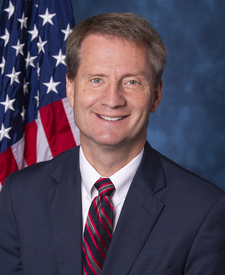
Legislative Progress
IntroducedMr. Burchett introduced the following bill; which was referred to …
Impact analysis is available but no clear stakeholder effects identified. View clause-level analysis →
Bill Structure & Actor Mappings
Who is "The Secretary" in each section?
- "agencies"
- → Federal agencies responsible for public buildings
- "the_president"
- → The President of the United States
- "the_administrator"
- → Administrator of General Services
- "the_administration"
- → General Services Administration (GSA)
Key Definitions
Terms defined in this bill
Includes classical architecture and historic humanistic architecture such as Gothic, Romanesque, Second Empire, Pueblo Revival, Spanish Colonial, and other Mediterranean styles historically rooted in various regions of America.
We use a combination of our own taxonomy and classification in addition to large language models to assess meaning and potential beneficiaries. High confidence means strong textual evidence. Always verify with the original bill text.
Learn more about our methodology