Tropical Plant Health Initiative Act
Summary
What This Bill Does
The Tropical Plant Health Initiative Act adds a tropical-crop focus to the Food, Agriculture, Conservation, and Trade Act research and extension grant authority. Grants may support science-based tools and treatments for plant pests and noxious weeds affecting tropical plants such as coffee, macadamia, cacao, plantains and bananas, mangos, floriculture and nursery crops, vanilla, and other tropical plants designated by the Secretary of Agriculture. The bill also authorizes areawide integrated pest management in affected or at-risk areas, surveys and data collection on production and plant health, research into biology, immunology, ecology, genomics, and bioinformatics, and studies of factors associated with tropical plant immune systems and other serious threats. It extends the broader section 1672 authorization from 2023 to 2030.
Who Benefits and How
Tropical crop growers benefit because federal research and extension grants can target pests and noxious weeds affecting their crops. Coffee and cacao producers benefit from science-based tools, treatments, and plant-health data for high-value tropical crops. Land-grant university researchers benefit from new grant purposes in genomics, bioinformatics, pest management, and plant immune systems. Nursery and floriculture businesses benefit because the initiative expressly covers those tropical plant sectors.
Who Bears the Burden and How
USDA research grant staff must administer the new tropical plant health grant purposes through 2030. Grant applicants must design projects around eligible plants, pests, integrated pest management, data, and research goals. Federal taxpayers fund the extended research and extension grant authority. Plant pest regulators must coordinate with research findings and areawide integrated pest management programs.
Key Provisions
- Adds research and extension grants for tropical plant pest and noxious weed tools and treatments.
- Provides coverage for coffee, macadamia, cacao, plantain, banana, mango, nursery, floriculture, vanilla, and other tropical plants.
- Authorizes areawide integrated pest management, plant health surveys, production data, genomics, bioinformatics, and immune-system research.
- Extends the underlying research and extension program authorization to 2030.
Evidence Chain:
This summary is generated from the full bill text using AI analysis. Expand "Detailed Analysis" below for identified beneficiaries/burden bearers with clause-level evidence links.
At a Glance
What This Bill Does
Adds tropical plant health research and extension grants for pests, noxious weeds, integrated pest management, crop health data, genomics, bioinformatics, and plant immune-system research, covering coffee, macadamia, cacao, plantain, banana, mango, nursery, floriculture, vanilla, and other Secretary-designated tropical plants, and extends the underlying program to 2030.
Key Policy Areas
Agriculture, Research, Plant Health
Primary Purpose
Adds tropical plant health research and extension grants for pests, noxious weeds, integrated pest management, crop health data, genomics, bioinformatics, and plant immune-system research, covering coffee, macadamia, cacao, plantain, banana, mango, nursery, floriculture, vanilla, and other Secretary-designated tropical plants, and extends the underlying program to 2030.
Policy Domains
Resolution provisions
Identified Gains
- Tropical crop growers
- Coffee cacao producers
- Land-grant university researchers
- Nursery floriculture businesses
Identified Costs
- USDA research grant staff
- Grant applicants
- Federal taxpayers
- Plant pest regulators
Sponsors


Legislative Progress
In CommitteeReferred to the Subcommittee on Conservation, Research, and Biotechnology.
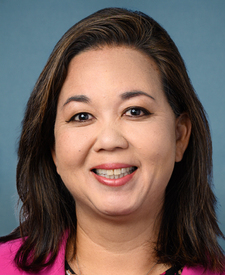
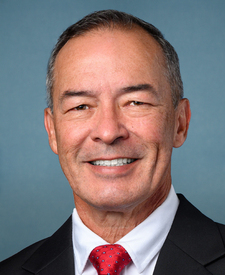
Ms. Tokuda (for herself and Mr. Case) introduced the following …
Referred to the House Committee on Agriculture.
Introduced in House
Stakeholder Effects
cui bono?How this legislation distributes effects. Mention counts reflect frequency, not effect magnitude.
Coffee cacao producers, Grant applicants, Nursery floriculture businesses
Positive-direction: Coffee cacao producers, Nursery floriculture businesses, Tropical crop growers
Negative-direction: Grant applicants
Bill Structure & Actor Mappings
Who is "The Secretary" in each section?
We use a combination of our own taxonomy and classification in addition to large language models to assess meaning and potential beneficiaries. High confidence means strong textual evidence. Always verify with the original bill text.
Learn more about our methodology