Every Kid Outdoors Reauthorization Act
Summary
What This Bill Does
The Every Kid Outdoors Reauthorization Act extends and broadens the federal public-lands access program for children. It updates eligibility so fifth graders and home-schooled learners who are 10 or 11 can participate, rather than limiting the wording to grade four and 10-year-old home-schooled learners. It authorizes $25 million for each fiscal year to support program operations and staffing, including National Park Service operational support; promotion and distribution of program resources to schools, youth-serving organizations, parents, and caregivers; transportation services for schools and youth-serving organizations with the greatest financial needs; and targeted outreach to underserved communities and children with disabilities.
Who Benefits and How
Fifth graders benefit because the program is extended to their grade level for federal public-lands access. Home-schooled learners ages 10 or 11 benefit because eligibility is broadened beyond a narrower age description. High-need schools benefit because authorized funds may pay for transportation services related to the program. Children with disabilities and underserved communities benefit from targeted outreach funding.
Who Bears the Burden and How
National Park Service program staff must provide operational support and coordinate program activities. Secretaries administering Every Kid Outdoors must allocate the $25 million annual authorization across operations, promotion, transportation, and outreach. Schools and youth-serving organizations must coordinate transportation and participation logistics. Federal taxpayers fund the reauthorized $25 million annual program support.
Key Provisions
- Expands Every Kid Outdoors eligibility to fifth graders and 10- or 11-year-old home-schooled learners.
- Authorizes $25 million per fiscal year for program operations and staff support.
- Provides funding authority for promotion and resource distribution to schools, youth organizations, parents, and caregivers.
- Provides transportation support for high-need schools and youth organizations.
- Requires targeted outreach for underserved communities and children with disabilities.
Evidence Chain:
This summary is generated from the full bill text using AI analysis. Expand "Detailed Analysis" below for identified beneficiaries/burden bearers with clause-level evidence links.
At a Glance
What This Bill Does
Reauthorizes and expands Every Kid Outdoors by covering fifth graders and 10- or 11-year-old home-schooled learners and authorizing $25 million per year for operations, promotion, transportation for high-need schools and youth organizations, and outreach to underserved communities and children with disabilities.
Key Policy Areas
Public Lands, Education, Youth Programs
Primary Purpose
Reauthorizes and expands Every Kid Outdoors by covering fifth graders and 10- or 11-year-old home-schooled learners and authorizing $25 million per year for operations, promotion, transportation for high-need schools and youth organizations, and outreach to underserved communities and children with disabilities.
Policy Domains
Resolution provisions
Identified Gains
- Fifth graders
- Home-schooled learners ages 10 or 11
- High-need schools
- Children with disabilities
Identified Costs
- National Park Service program staff
- Every Kid Outdoors secretaries
- Youth-serving organizations
- Federal taxpayers
Sponsors

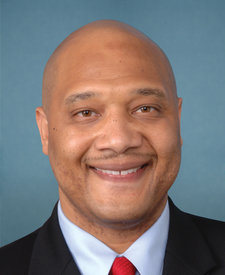
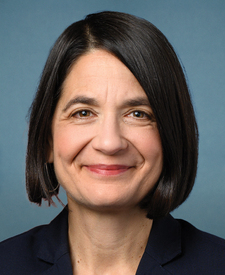

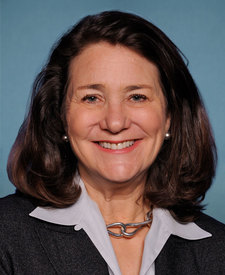
Legislative Progress
In CommitteeReferred to the Subcommittee on Forestry and Horticulture.
Referred to the Subcommittee on Water Resources and Environment.
Ms. Ansari (for herself, Ms. Balint, Ms. Barragán, Ms. Bynum, …
Referred to the Committee on Natural Resources, and in addition …
Introduced in House
Stakeholder Effects
cui bono?How this legislation distributes effects. Mention counts reflect frequency, not effect magnitude.
Children with disabilities, Fifth graders, High-need schools
Bill Structure & Actor Mappings
Who is "The Secretary" in each section?
We use a combination of our own taxonomy and classification in addition to large language models to assess meaning and potential beneficiaries. High confidence means strong textual evidence. Always verify with the original bill text.
Learn more about our methodology