To provide benefits for noncitizen members of the Armed Forces, and for other purposes.
Analysis under review: This bill has generated analysis that may be too generic or incomplete. Clause-level evidence remains available below.
Summary
What This Bill Does
The Veteran Service Recognition Act of 2025 addresses the deportation of noncitizen veterans and service members by requiring a study of veterans deported since 1990, creating an identification and tracking system for noncitizen veterans in removal proceedings, and establishing a Military Family Immigration Advisory Committee to review their cases. It creates a pathway to citizenship through military service, allows deported veterans to return and receive permanent residence, and helps immediate family members of citizen service members adjust their immigration status.
Who Benefits and How
Noncitizen veterans, active service members, and their families gain substantial immigration protections. Deported veterans who served honorably can return to the United States and receive lawful permanent residence with waivers of most inadmissibility grounds. Military families of citizen service members gain an easier path to status adjustment. Military recruiters benefit from clearer processes for noncitizen enlistees. Immigration attorneys serving military families gain new legal avenues.
Who Bears the Burden and How
The Department of Homeland Security must build a veteran identification system, establish the Advisory Committee, and create procedures for returning deported veterans within 180 days. DHS cannot initiate removal proceedings without first checking veteran status. The Department of Defense must ensure recruiters and JAG officers are trained on immigration law. ICE personnel must complete annual training on veteran identification protocols.
Key Provisions
- Creates Military Family Immigration Advisory Committee that must review cases before any veteran or military family member can be ordered removed
- Allows deported veterans to return to the U.S. and receive lawful permanent residence with broad inadmissibility waivers
- Extends the naturalization-eligible service period from six months to one year and creates a program ensuring noncitizens can apply for citizenship from their first day of active duty
Evidence Chain:
This summary is generated from the full bill text using AI analysis. Expand "Detailed Analysis" below for identified beneficiaries/burden bearers.
At a Glance
What This Bill Does
Protects noncitizen veterans and military service members from removal, creates pathways to citizenship through military service, establishes an advisory committee for immigration cases involving veterans and military families, and enables deported veterans to return and receive lawful permanent residence.
Key Policy Areas
Immigration, Military Affairs, Veterans Affairs
Primary Purpose
Protects noncitizen veterans and military service members from removal, creates pathways to citizenship through military service, establishes an advisory committee for immigration cases involving veterans and military families, and enables deported veterans to return and receive lawful permanent residence.
Policy Domains
Section 2 - Study and Report
Identified Gains
Contextual inference, no direct clause citation- Noncitizen veterans who were deported
- Veterans advocacy organizations
Contextual inference, no direct clause citation
Identified Costs
Contextual inference, no direct clause citation- DOD, DHS, and VA (study and reporting requirements)
Contextual inference, no direct clause citation
Section 7 - Return of Deported Veterans
Identified Gains
Contextual inference, no direct clause citation- Deported noncitizen veterans
- Immigration attorneys representing deported veterans
Contextual inference, no direct clause citation
Identified Costs
Contextual inference, no direct clause citation- DHS (establishing procedures within 180 days, processing applications)
Contextual inference, no direct clause citation
Section 5 - Citizenship Through Service
Identified Gains
Contextual inference, no direct clause citation- Noncitizen members of the Armed Forces
- Military recruiters (clearer processes for noncitizen enlistees)
Contextual inference, no direct clause citation
Identified Costs
Contextual inference, no direct clause citation- USCIS and DOD (program implementation and training)
Contextual inference, no direct clause citation
Section 3 - Information System
Identified Gains
Contextual inference, no direct clause citation- Noncitizen veterans facing removal proceedings
Contextual inference, no direct clause citation
Identified Costs
Contextual inference, no direct clause citation- DHS and ICE (system creation, training, and process changes)
Contextual inference, no direct clause citation
Section 4 - Military Family Immigration Advisory Committee
Identified Gains
Contextual inference, no direct clause citation- Noncitizen veterans and military family members in removal proceedings
Contextual inference, no direct clause citation
Identified Costs
Contextual inference, no direct clause citation- DHS (committee establishment and case review process)
Contextual inference, no direct clause citation
Sponsors
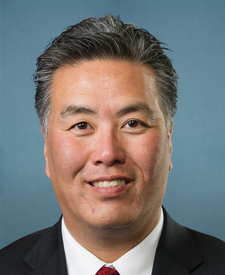
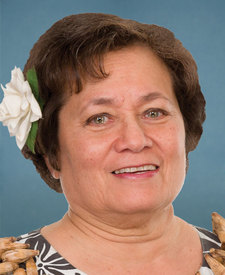
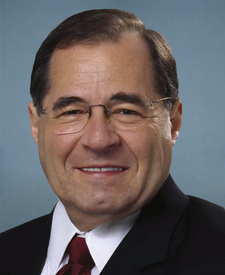
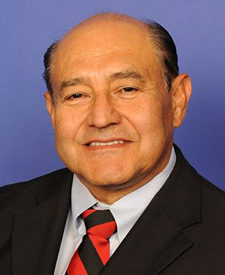
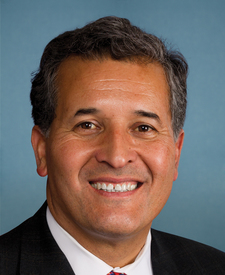
Legislative Progress
IntroducedMr. Takano (for himself, Ms. Lofgren, Mr. Nadler, Mr. Correa, …
Stakeholder Effects
cui bono?How this legislation distributes effects. Mention counts reflect frequency, not effect magnitude.
DHS (establishing procedures and processing applications), DHS and ICE (system development, training, process changes), Department of Defense
Deported noncitizen veterans, Deported noncitizen veterans who served honorably, Immediate family members of citizen service members and veterans
Judge Advocate General Corps, Military recruiters, Noncitizen members of the Armed Forces
Positive-direction: Noncitizen members of the Armed Forces
Negative-direction: Judge Advocate General Corps
Immigration attorneys representing deported veterans, Immigration attorneys serving military families
Bill Structure & Actor Mappings
Who is "The Secretary" in each section?
- "the_secretary_va"
- → Secretary of Veterans Affairs
- "the_secretary_dhs"
- → Secretary of Homeland Security
- "the_secretary_dod"
- → Secretary of Defense
- "the_secretary_dhs"
- → Secretary of Homeland Security
- "the_secretary_dhs"
- → Secretary of Homeland Security
- "the_advisory_committee"
- → Military Family Immigration Advisory Committee
- "the_secretary_dhs"
- → Secretary of Homeland Security
- "the_secretary_dod"
- → Secretary of Defense
- "the_secretary_dod"
- → Secretary of Defense
- "the_secretary_dhs"
- → Secretary of Homeland Security
Note: 'The Secretary' refers to different officials in different sections: Secretary of Defense (Section 2, 5), Secretary of Homeland Security (Sections 3, 4, 7), and Secretary of Veterans Affairs (Section 2)
Key Definitions
Terms defined in this bill
Has the meaning given in section 101 of title 38, United States Code.
An individual who is not a citizen or national of the United States.
Has the meaning given in section 101 of title 10, United States Code.
The noncitizen spouse or noncitizen child of a member of the Armed Forces or a veteran.
We use a combination of our own taxonomy and classification in addition to large language models to assess meaning and potential beneficiaries. High confidence means strong textual evidence. Always verify with the original bill text.
Learn more about our methodology