To combat toxic indoor mold, and for other purposes.
Analysis under review: This bill has generated analysis that may be too generic or incomplete. Clause-level evidence remains available below.
Summary
What This Bill Does
This bill, To combat toxic indoor mold, and for other purposes., changes federal law or congressional policy affecting financial institutions, investors, and borrowers. The main policy domain is Finance, Housing, Government Operations.
Who Benefits and How
financial institutions, investors, and borrowers may benefit from new authority, funding, eligibility, regulatory clarity, or reduced risk created by the bill.
Who Bears the Burden and How
federal implementing agencies, financial institutions, investors, and borrowers may take on implementation duties, reporting obligations, compliance costs, or oversight responsibilities.
Key Provisions
- Section H98DE0B3E010D42D294F18E45C925E693: 1. Short title; table of contents This Act may be cited as the Healthy at Home Act of 2023. The table of contents for this Act is as follows:
- Section HAD00C28AB38C4E7089ADDFDAAC64819B: 2. Definitions In this Act: The term indoor residential mold means any form of multicellular fungi in indoor environments, including cladosporium, penicillium,...
- Section HD9FEF7BF27F54E2E9FAC36EBF4544196: 3. Interagency research on health impacts of indoor residential mold As soon as practicable after the date of enactment of this Act, the Director of the...
- Section H4D63BC3D9B7D49F3965E0E3838D0F214: 4. Health, safety, and habitability standards and model standards Based on the results of the interagency health study conducted under section 3, the...
- Section H420FA9F7CA2941D69D737F0AA4AB5536: 5. Mapping Not later than one year after the date of the enactment of this Act, the Secretary of Housing and Urban Development shall, using the previous two...
Evidence Chain:
This summary is generated from the full bill text using AI analysis. Expand "Detailed Analysis" below for identified beneficiaries/burden bearers with clause-level evidence links.
At a Glance
What This Bill Does
This bill, To combat toxic indoor mold, and for other purposes., changes federal law or congressional policy affecting financial institutions, investors, and borrowers.
Key Policy Areas
Finance, Housing, Government Operations
Primary Purpose
This bill, To combat toxic indoor mold, and for other purposes., changes federal law or congressional policy affecting financial institutions, investors, and borrowers.
Policy Domains
Whole bill
Identified Gains
- financial institutions, investors, and borrowers
Identified Costs
- federal implementing agencies
- financial institutions, investors, and borrowers
Sponsors
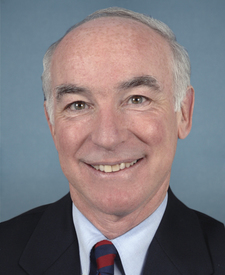
Joe Courtney
D-CT | Primary Sponsor

Legislative Progress
IntroducedMr. Courtney (for himself and Mrs. Beatty) introduced the following …
Impact analysis is available but no clear stakeholder effects identified. View clause-level analysis →
Bill Structure & Actor Mappings
Who is "The Secretary" in each section?
- "secretary_of_labor"
- → Secretary of Labor
- "secretary_of_energy"
- → Secretary of Energy
- "administrator_of_epa"
- → Administrator of the Environmental Protection Agency
- "secretary_of_defense"
- → Secretary of Defense
- "secretary_of_treasury"
- → Secretary of the Treasury
- "secretary_of_agriculture"
- → Secretary of Agriculture
- "secretary_of_health_and_human_services"
- → Secretary of Health and Human Services
- "secretary_of_housing_and_urban_development"
- → Secretary of Housing and Urban Development
Key Definitions
Terms defined in this bill
an inspection, by a certified or licensed mold inspector or other indoor environmental professional, including through the Real Estate Assessment Center, of real property that is designed to discover— indoor mold growth in residential properties
We use a combination of our own taxonomy and classification in addition to large language models to assess meaning and potential beneficiaries. High confidence means strong textual evidence. Always verify with the original bill text.
Learn more about our methodology