Biosimilar Red Tape Elimination Act
Summary
What This Bill Does
The Biosimilar Red Tape Elimination Act collapses the separate biosimilar and interchangeable-biosimilar categories. It amends section 351(k) of the Public Health Service Act so a biological product licensed as biosimilar is generally deemed interchangeable with its reference product. Products licensed after the transition date would be interchangeable upon licensure, except where an existing first-interchangeable exclusivity period for the same reference product is still in effect. Products licensed before the transition date would become interchangeable on that date. The bill removes separate application and information requirements for interchangeability, updates related statutory references, and requires FDA to revise, revoke, or update interchangeability guidance within 18 months. It also adjusts pediatric-assessment rules so certain biosimilars are not treated as having a new active ingredient when the relevant pediatric indication is already approved for the reference product and the needed assessment would not require a product strength, dosage form, route, or condition of use outside the biosimilar pathway.
Who Benefits and How
Biosimilar manufacturers benefit because they no longer need a separate FDA interchangeability showing for pharmacist substitution status. Pharmacists dispensing biologics benefit from clearer substitution status when licensed biosimilars are deemed interchangeable. Patients using biologic medicines benefit if broader biosimilar interchangeability increases competition and lowers drug costs. Health insurers and pharmacy benefit managers benefit from easier formulary use of interchangeable biosimilars.
Who Bears the Burden and How
FDA biologics staff must revise or revoke interchangeability guidance and update review practices within 18 months. Reference product manufacturers face more competitive pressure from biosimilars that are automatically deemed interchangeable. Existing first-interchangeable exclusivity holders face a transition rule that protects active exclusivity but removes the separate pathway afterward. State pharmacy regulators must account for the federal change when applying substitution laws tied to interchangeability.
Key Provisions
- Removes the separate interchangeable-biosimilar application pathway.
- Provides that licensed biosimilars are deemed interchangeable with their reference products after transition rules apply.
- Protects existing first-interchangeable exclusivity periods during the transition.
- Requires FDA to update biosimilar interchangeability guidance within 18 months.
- Modifies pediatric-assessment treatment for certain biosimilar products.
Evidence Chain:
This summary is generated from the full bill text using AI analysis. Expand "Detailed Analysis" below for identified beneficiaries/burden bearers with clause-level evidence links.
At a Glance
What This Bill Does
Eliminates the separate FDA interchangeability pathway for biosimilars by deeming licensed biosimilar biological products interchangeable with their reference products after a transition, preserving existing first-interchangeable exclusivity during the transition, revising FDA guidance within 18 months, and conforming pediatric-study treatment.
Key Policy Areas
Health Care, Pharmaceuticals, FDA
Primary Purpose
Eliminates the separate FDA interchangeability pathway for biosimilars by deeming licensed biosimilar biological products interchangeable with their reference products after a transition, preserving existing first-interchangeable exclusivity during the transition, revising FDA guidance within 18 months, and conforming pediatric-study treatment.
Policy Domains
Resolution provisions
Identified Gains
- Biosimilar manufacturers
- Pharmacists dispensing biologics
- Patients using biologic medicines
- Health insurers
Identified Costs
- FDA biologics staff
- Reference product manufacturers
- First-interchangeable exclusivity holders
- State pharmacy regulators
Sponsors
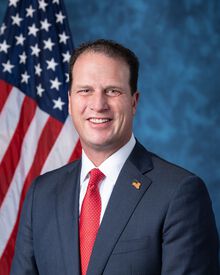




Legislative Progress
In CommitteeMr. Pfluger (for himself and Mr. Landsman) introduced the following …
Referred to the House Committee on Energy and Commerce.
Introduced in House
Stakeholder Effects
cui bono?How this legislation distributes effects. Mention counts reflect frequency, not effect magnitude.
Biosimilar manufacturers, Reference product manufacturers
Positive-direction: Biosimilar manufacturers
Negative-direction: Reference product manufacturers
Bill Structure & Actor Mappings
Who is "The Secretary" in each section?
We use a combination of our own taxonomy and classification in addition to large language models to assess meaning and potential beneficiaries. High confidence means strong textual evidence. Always verify with the original bill text.
Learn more about our methodology