Indian Trust Asset Reform Amendment Act
Summary
What This Bill Does
The Indian Trust Asset Reform Amendment Act broadens who can carry out tribal trust-asset planning under the Indian Trust Asset Reform Act. Existing law lets an Indian tribe submit an Indian trust asset management plan to the Secretary of the Interior. This bill keeps that structure but adds tribal organizations as eligible participants when they act on behalf of an Indian tribe. The plan must identify the tribe and trust assets covered, include a tribal resolution or other authorized tribal action approving the plan, and comply with the Act. The bill also updates definitions of Indian tribe and tribal organization, including Alaska Native villages and tribally controlled or tribally sanctioned organizations, and requires each affected tribe's approval when a contract or grant benefits more than one tribe.
Who Benefits and How
Indian tribes benefit because they can use tribally controlled organizations to manage trust-asset planning while retaining approval authority. Tribal organizations benefit because the bill gives them a statutory route to participate in Indian Trust Asset Management Projects on a tribe's behalf. Alaska Native villages benefit because the updated tribe definition expressly includes federally recognized Alaska Native communities. Tribal natural-resource offices benefit from clearer authority to submit plans covering specified trust assets.
Who Bears the Burden and How
Interior Department trust staff must review plans that come through tribal organizations and verify tribal resolutions or equivalent approvals. Bureau of Indian Affairs trust administrators must apply the revised definitions and multi-tribe approval rule. Tribal organizations must document that they are controlled, sanctioned, chartered, or democratically elected by the Indian community served. Unaffiliated contractors cannot use the tribal-organization route unless the affected tribe authorizes the plan.
Key Provisions
- Adds tribal organizations as eligible participants in Indian Trust Asset Management Projects.
- Requires a trust-asset plan submitted by a tribal organization to identify the tribe and trust assets covered.
- Requires tribal resolutions or equivalent tribal authorization before a tribal organization acts on a tribe's behalf.
- Updates Indian tribe and tribal organization definitions, including Alaska Native villages and tribally controlled organizations.
Evidence Chain:
This summary is generated from the full bill text using AI analysis. Expand "Detailed Analysis" below for identified beneficiaries/burden bearers with clause-level evidence links.
At a Glance
What This Bill Does
Allows tribal organizations to participate in Indian Trust Asset Management Projects on behalf of Indian tribes when a trust asset management plan identifies the tribe and assets, includes tribal authorization, and follows Indian Trust Asset Reform Act requirements.
Key Policy Areas
Tribal Affairs, Public Lands, Interior
Primary Purpose
Allows tribal organizations to participate in Indian Trust Asset Management Projects on behalf of Indian tribes when a trust asset management plan identifies the tribe and assets, includes tribal authorization, and follows Indian Trust Asset Reform Act requirements.
Policy Domains
Resolution provisions
Identified Gains
- Indian tribes
- Tribal organizations
- Alaska Native villages
- Tribal natural-resource offices
Identified Costs
- Interior Department trust staff
- Bureau of Indian Affairs trust administrators
- Tribal organization managers
- Unaffiliated contractors
Sponsors

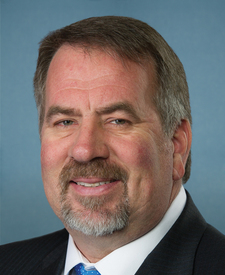

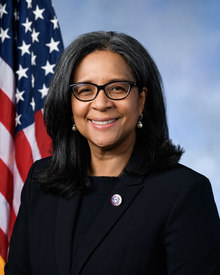
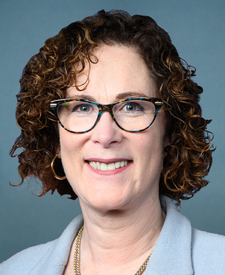
Legislative Progress
In CommitteeSubcommittee Hearings Held
Referred to the Subcommittee on Indian and Insular Affairs.
Mr. Hurd of Colorado (for himself and Ms. Randall) introduced …
Referred to the House Committee on Natural Resources.
Introduced in House
Stakeholder Effects
cui bono?How this legislation distributes effects. Mention counts reflect frequency, not effect magnitude.
Alaska Native villages, Bureau of Indian Affairs trust administrators, Indian tribes
Positive-direction: Alaska Native villages, Indian tribes, Tribal natural-resource offices
Negative-direction: Bureau of Indian Affairs trust administrators, Interior Department trust staff
Tribal organization managers, Tribal organizations
Positive-direction: Tribal organizations
Negative-direction: Tribal organization managers
Bill Structure & Actor Mappings
Who is "The Secretary" in each section?
We use a combination of our own taxonomy and classification in addition to large language models to assess meaning and potential beneficiaries. High confidence means strong textual evidence. Always verify with the original bill text.
Learn more about our methodology