To prevent energy poverty and ensure that at-risk communities have access to affordable energy.
Sponsors


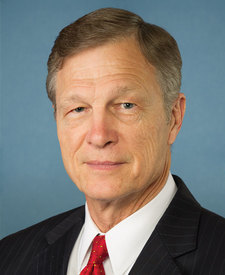

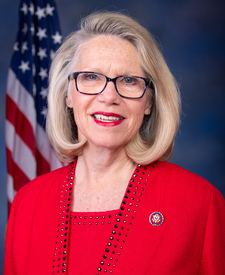
Legislative Progress
ReportedAdditional sponsors: Mr. Babin, Mr. Langworthy, Mrs. Lesko, Mr. Moylan, …
Reported from the Committee on Natural Resources with an amendment
Committees on Energy and Commerce, Agriculture, the Budget, and Rules …
Ms. Hageman (for herself, Mr. Newhouse, Mr. Stauber, Ms. Boebert, …
Summary
What This Bill Does
Mandates federal agencies analyze whether energy rules will increase costs for low-income, minority, rural, elderly, and tribal communities. Aims to prevent energy poverty in at-risk communities.
Who Benefits and How
- Low-income communities gain protection from energy cost increases
- Minority and rural communities receive consideration in rulemaking
- Elderly and tribal communities included in energy cost analysis
Who Bears the Burden and How
- EPA, Interior, Energy must conduct community impact analyses
- Rulemaking potentially slowed by additional analysis requirements
- Environmental regulations may face additional hurdles
Key Provisions
- Defines at-risk communities (low-income, minority, rural, elderly, tribal)
- Requires analysis of energy cost impacts before rules issued
- Covers EPA, Interior, and Energy Department rules
- Sense of Congress on equal access to affordable energy
Evidence Chain:
This summary is derived from the structured analysis below. See "Detailed Analysis" for per-title beneficiaries/burden bearers with clause-level evidence links.
Primary Purpose
Requires agencies to analyze energy cost impacts on at-risk communities before issuing energy rules
Policy Domains
Legislative Strategy
"Protect vulnerable communities from energy cost impacts of regulation"
Bill Structure & Actor Mappings
Who is "The Secretary" in each section?
Key Definitions
Terms defined in this bill
Low-income, minority, rural, elderly, or tribal community
Condition without access to affordable reliable energy
We use a combination of our own taxonomy and classification in addition to large language models to assess meaning and potential beneficiaries. High confidence means strong textual evidence. Always verify with the original bill text.
Learn more about our methodology