SHINE for Autumn Act of 2025
Summary
What This Bill Does
The SHINE for Autumn Act adds a stillbirth research and data-collection program to the Public Health Service Act. HHS may award grants to states to conduct surveillance and collect stillbirth data, including from Fetal and Infant Mortality Review datasets, for public-health and research purposes; build state and local public-health capacity to assess stillbirth data; and collect and report risk-factor data and quantifiable outcomes. Grant recipients must keep data deidentified, avoid disclosing patient or provider identifying information, and comply with federal and state privacy law. The program can support educational guidelines for health care providers and state or local health departments, awareness materials, and dissemination through public-health channels. The bill authorizes $5 million for each of fiscal years 2026 through 2030 and requires HHS within five years to publish an educational-guidelines report on stillbirth and stillbirth risk factors on a public website.
Who Benefits and How
Families affected by stillbirth benefit because states can collect better data and develop education on preventable risk factors. State maternal health departments benefit from grants for surveillance, stillbirth risk-factor reporting, and public-health capacity. Perinatal researchers benefit from deidentified datasets that can support stillbirth research without exposing patient identities. Clinicians caring for pregnant patients benefit from HHS educational guidelines and awareness materials.
Who Bears the Burden and How
HHS maternal health staff must administer state grants, privacy conditions, education materials, and a five-year public report. State health data teams must deidentify stillbirth data and comply with federal and state privacy rules. Hospitals and fetal-infant mortality review programs may need to coordinate data submissions and risk-factor reporting. Federal taxpayers fund $5 million annually for fiscal years 2026 through 2030.
Key Provisions
- Authorizes HHS grants for state stillbirth surveillance and data collection.
- Requires deidentified data and bars disclosure of patient or provider identifying information.
- Funds public-health capacity, risk-factor reporting, clinical education, and awareness materials.
- Requires HHS to publish stillbirth educational guidelines within five years.
- Authorizes $5 million annually for fiscal years 2026 through 2030.
Evidence Chain:
This summary is generated from the full bill text using AI analysis. Expand "Detailed Analysis" below for identified beneficiaries/burden bearers with clause-level evidence links.
At a Glance
What This Bill Does
Authorizes HHS grants to states for stillbirth surveillance, deidentified data collection, public-health capacity, risk-factor reporting, clinical and community education, and awareness materials, with $5 million annually for fiscal years 2026 through 2030 and a five-year public educational-guidelines report.
Key Policy Areas
Maternal Health, Public Health, Data
Primary Purpose
Authorizes HHS grants to states for stillbirth surveillance, deidentified data collection, public-health capacity, risk-factor reporting, clinical and community education, and awareness materials, with $5 million annually for fiscal years 2026 through 2030 and a five-year public educational-guidelines report.
Policy Domains
Resolution provisions
Identified Gains
- Families affected by stillbirth
- State maternal health departments
- Perinatal researchers
- Clinicians caring for pregnant patients
Identified Costs
- HHS maternal health staff
- State health data teams
- Hospitals
- Federal taxpayers
Sponsors
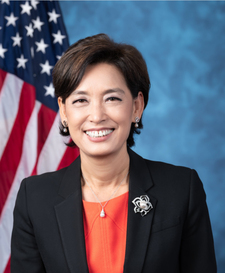

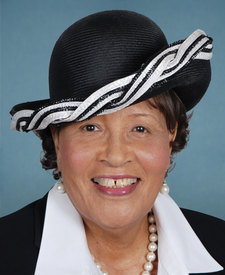

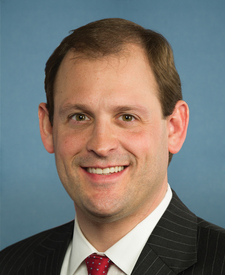
Legislative Progress
In CommitteeMrs. Kim (for herself, Ms. Castor of Florida, Ms. Kelly …
Referred to the House Committee on Energy and Commerce.
Introduced in House
Stakeholder Effects
cui bono?How this legislation distributes effects. Mention counts reflect frequency, not effect magnitude.
State health data teams, State maternal health departments
Positive-direction: State maternal health departments
Negative-direction: State health data teams
Bill Structure & Actor Mappings
Who is "The Secretary" in each section?
We use a combination of our own taxonomy and classification in addition to large language models to assess meaning and potential beneficiaries. High confidence means strong textual evidence. Always verify with the original bill text.
Learn more about our methodology