To amend the Fair Labor Standards Act of 1938 and the Portal-to-Portal Act of 1947 to prevent wage theft and assist in the recovery of stolen wages, to authorize the Secretary of Labor to administer grants to prevent wage and hour violations, and for other purposes.
Analysis under review: This bill has generated analysis that may be too generic or incomplete. Clause-level evidence remains available below.
Summary
What This Bill Does
This bill, To amend the Fair Labor Standards Act of 1938 and the Portal-to-Portal Act of 1947 to prevent wage theft and assist in the recovery of stolen wages, to authorize the Secretary of Labor to administer grants to prevent wage and hour violations, and for other purposes., changes federal law or congressional policy affecting workers, employers, and labor regulators. The main policy domain is Labor, Criminal Justice, Government Operations.
Who Benefits and How
workers, employers, and labor regulators may benefit from new authority, funding, eligibility, regulatory clarity, or reduced risk created by the bill.
Who Bears the Burden and How
federal implementing agencies, workers, employers, and labor regulators may take on implementation duties, reporting obligations, compliance costs, or oversight responsibilities.
Key Provisions
- Section H3394DB4D751D4F0EBFC25140EB35D7C9: 1. Short title This Act may be cited as the Wage Theft Prevention and Wage Recovery Act.
- Section HBF6D85C1A587462AB340C660E38938F4: 2. Findings Congress finds the following: Wage theft occurs when an employer does not pay an employee for work that the employee has performed, depriving the...
- Section HE38EE61C52234B949CC1FF18C3CD044B: 3. Purposes The purposes of this Act are to prevent wage theft and facilitate the recovery of stolen wages by— strengthening the penalties for engaging in wage...
- Section HD1ACE074A3F9428EB108F4A0316D7374: 101. Requirements to provide certain disclosures, regular paystubs, and final payments The Fair Labor Standards Act of 1938 is amended by inserting after...
- Section H73FFFA9B92B04EE8841EF265AA1FB223: 5. Requirements to provide certain disclosures, regular paystubs, and final payments Not later than 15 days after the date on which an employer hires an...
Evidence Chain:
This summary is generated from the full bill text using AI analysis. Expand "Detailed Analysis" below for identified beneficiaries/burden bearers with clause-level evidence links.
At a Glance
What This Bill Does
This bill, To amend the Fair Labor Standards Act of 1938 and the Portal-to-Portal Act of 1947 to prevent wage theft and assist in the recovery of stolen wages, to authorize the Secretary of Labor to administer grants to prevent wage and hour violations, and for other purposes., changes federal law or congressional policy affecting workers, employers, and labor regulators.
Key Policy Areas
Labor, Criminal Justice, Government Operations
Primary Purpose
This bill, To amend the Fair Labor Standards Act of 1938 and the Portal-to-Portal Act of 1947 to prevent wage theft and assist in the recovery of stolen wages, to authorize the Secretary of Labor to administer grants to prevent wage and hour violations, and for other purposes., changes federal law or congressional policy affecting workers, employers, and labor regulators.
Policy Domains
Whole bill
Identified Gains
- workers, employers, and labor regulators
Identified Costs
- federal implementing agencies
- workers, employers, and labor regulators
Sponsors




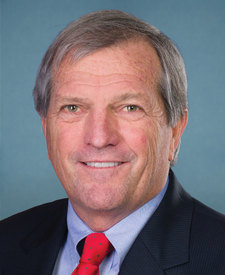
Legislative Progress
IntroducedMs. DeLauro (for herself, Mr. Grijalva, Mr. Takano, Ms. Bonamici, …
Impact analysis is available but no clear stakeholder effects identified. View clause-level analysis →
Bill Structure & Actor Mappings
Who is "The Secretary" in each section?
- "the_commission"
- → The commission identified in the operative section
- "the_administrator"
- → The Administrator identified in the operative section
- "secretary_of_labor"
- → Secretary of Labor
Key Definitions
Terms defined in this bill
the process by which the Secretary— targets highly noncompliant industries, as identified by the Secretary, using industry-specific structures to influence, and ultimately reform, networks of interconnected employers
We use a combination of our own taxonomy and classification in addition to large language models to assess meaning and potential beneficiaries. High confidence means strong textual evidence. Always verify with the original bill text.
Learn more about our methodology