Azerbaijan Sanctions Review Act of 2025
Summary
What This Bill Does
The Azerbaijan Sanctions Review Act of 2025 turns Congress's findings on Azerbaijan's treatment of Armenians, prisoners of war, civilian captives, journalists, human rights defenders, and political opposition figures into a targeted sanctions-review mandate. The findings cite the September 2023 assault on Nagorno-Karabakh, the Lachin Corridor blockade, forced displacement of the region's Armenian population, alleged torture and extrajudicial killings, continued detention of at least 23 prisoners of war and hostages as of August 2025, sham trials of former Nagorno-Karabakh officials in Baku, the forced departure of the International Committee of the Red Cross from Azerbaijan, and repression of more than 300 Azerbaijani journalists and civil society figures. Within 180 days, the President must tell the foreign-affairs, appropriations, banking, and financial-services committees whether dozens of named Azerbaijani officials meet sanctions criteria under the Global Magnitsky Human Rights Accountability Act or section 7031(c) appropriations visa-restriction authority.
Who Benefits and How
Armenian detainee families benefit because the bill creates a formal U.S. review of Azerbaijani officials allegedly responsible for detention, torture, sham trials, or disappearance. Human rights advocacy organizations benefit from a named-official sanctions-review list tied to Global Magnitsky and section 7031(c) criteria. Azerbaijani journalist organizations benefit indirectly because the findings place journalists, activists, and opposition figures inside the same human-rights accountability frame. Congressional foreign affairs committees benefit from a 180-day presidential determination with detailed justification.
Who Bears the Burden and How
Azerbaijan Ministry of Defense officers named in the bill face sanctions scrutiny and possible asset-blocking or visa consequences. Baku Court on Grave Crimes judges named in the bill face U.S. review for their roles in trials and detentions. Azerbaijan State Security Service staff face reputational and sanctions risk from the required determination. State Department sanctions staff must evaluate evidence, coordinate the presidential determination, and brief Congress.
Key Provisions
- Requires a presidential sanctions determination within 180 days.
- Directs review of named Azerbaijani military, security, prosecutorial, judicial, and presidential-office officials.
- Uses Global Magnitsky and section 7031(c) sanctions criteria as the legal benchmark.
- Requires the review to account for Nagorno-Karabakh displacement, Armenian detainees, prisoner mistreatment, ICRC expulsion, and domestic repression.
Evidence Chain:
This summary is generated from the full bill text using AI analysis. Expand "Detailed Analysis" below for identified beneficiaries/burden bearers with clause-level evidence links.
At a Glance
What This Bill Does
Requires the President to review whether named Azerbaijani military, security, prosecutorial, judicial, and presidential-office officials meet Global Magnitsky or section 7031(c) sanctions criteria for abuses tied to Nagorno-Karabakh, Armenian detainees, prisoners of war, and domestic political repression.
Key Policy Areas
Foreign Affairs, Human Rights, Sanctions
Primary Purpose
Requires the President to review whether named Azerbaijani military, security, prosecutorial, judicial, and presidential-office officials meet Global Magnitsky or section 7031(c) sanctions criteria for abuses tied to Nagorno-Karabakh, Armenian detainees, prisoners of war, and domestic political repression.
Policy Domains
Resolution provisions
Identified Gains
- Armenian detainee families
- Human rights advocacy organizations
- Azerbaijani journalist organizations
- Congressional foreign affairs committees
Identified Costs
- Azerbaijan Ministry of Defense officers
- Baku Court on Grave Crimes judges
- Azerbaijan State Security Service staff
- State Department sanctions staff
Sponsors

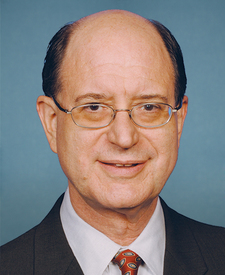


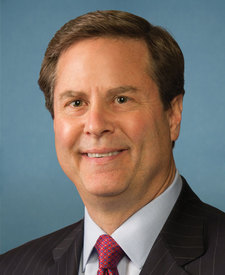
Legislative Progress
In CommitteeMs. Titus introduced the following bill; which was referred to …
Referred to the Committee on Foreign Affairs, and in addition …
Introduced in House
Stakeholder Effects
cui bono?How this legislation distributes effects. Mention counts reflect frequency, not effect magnitude.
Azerbaijan Ministry of Defense officers, Baku Court on Grave Crimes judges, Congressional foreign affairs committees
Positive-direction: Congressional foreign affairs committees
Negative-direction: Azerbaijan Ministry of Defense officers, Baku Court on Grave Crimes judges, State Department sanctions staff
Bill Structure & Actor Mappings
Who is "The Secretary" in each section?
We use a combination of our own taxonomy and classification in addition to large language models to assess meaning and potential beneficiaries. High confidence means strong textual evidence. Always verify with the original bill text.
Learn more about our methodology