Transatlantic Growth Enterprise Act
Summary
What This Bill Does
The Transatlantic Growth Enterprise Act creates a State Department program, coordinated with the Development Finance Corporation and other agencies, for Central and Eastern Europe. The Enterprise focuses on the Czech Republic, Poland, Slovakia, Hungary, Romania, Moldova, Ukraine, Bulgaria, and any other Central or Eastern European country the Secretary determines appropriate. Its objectives are to strengthen U.S. relationships with like-minded countries, expand business-to-business ties with relevant chambers of commerce, deepen energy cooperation including nuclear energy, strengthen people-to-people ties, expand security cooperation, counter Russian malign influence and aggression, and counter the People's Republic of China's growing private-sector footprint. The Secretary must convene stakeholders from participating countries at least twice per calendar year, including government officials, business leaders, and civil society representatives where practicable. Supported projects may engage only with counterpart government officials the Secretary determines are not undermining U.S. interests through cooperation with Russia or China, democratic backsliding, or agreements allowing Chinese or Russian police or military forces to be stationed in their territory. State must report within 180 days and annually on Enterprise activities, diplomatic engagements, progress, and future initiatives, and within one year report on energy cooperation, dependence on Russian and Chinese energy sectors, energy opportunities, appropriations or authority needs, and private-sector actions.
Who Benefits and How
United States businesses benefit from a program designed to expand business-to-business ties and investment opportunities in Central and Eastern Europe. Central European energy companies benefit from cooperation on energy infrastructure, energy security, and nuclear energy opportunities. Development Finance Corporation staff benefit from a defined role in supporting transatlantic investment and energy-security projects. Civil society organizations in participating countries benefit from stakeholder convenings and people-to-people ties.
Who Bears the Burden and How
State Department regional program staff must carry out the Enterprise, convene stakeholders twice yearly, and submit recurring reports. Participating government officials cooperating with Russia or China may be excluded from Enterprise-supported projects. Russian state-linked businesses face U.S. efforts to reduce Central and Eastern European dependence on Russian energy and influence. Chinese state-linked businesses face U.S. efforts to counter the People's Republic of China's private-sector footprint in participating countries.
Key Provisions
- Establishes the Transatlantic Growth Enterprise at the State Department in coordination with the Development Finance Corporation.
- Expands business, energy, security, and people-to-people ties with Central and Eastern European Enterprise countries.
- Requires stakeholder convenings at least twice per calendar year.
- Restricts engagement with officials undermining U.S. interests through Russia, China, democratic backsliding, or foreign police or military basing agreements.
- Requires 180-day, annual, and one-year energy reports to congressional foreign-affairs committees.
Evidence Chain:
This summary is generated from the full bill text using AI analysis. Expand "Detailed Analysis" below for identified beneficiaries/burden bearers with clause-level evidence links.
At a Glance
What This Bill Does
Establishes a State Department-led Transatlantic Growth Enterprise with the Development Finance Corporation to strengthen U.S. business, energy, security, and people-to-people ties with Central and Eastern European countries while countering Russian and Chinese influence.
Key Policy Areas
Foreign Affairs, Trade, Energy Security
Primary Purpose
Establishes a State Department-led Transatlantic Growth Enterprise with the Development Finance Corporation to strengthen U.S. business, energy, security, and people-to-people ties with Central and Eastern European countries while countering Russian and Chinese influence.
Policy Domains
Resolution provisions
Identified Gains
- United States businesses
- Central European energy companies
- Development Finance Corporation staff
- Civil society organizations in participating countries
Identified Costs
- State Department regional program staff
- Participating government officials cooperating with Russia
- Russian state-linked businesses
- Chinese state-linked businesses
Sponsors
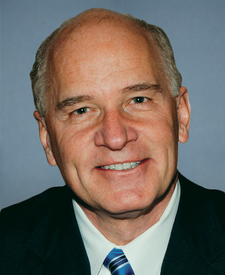
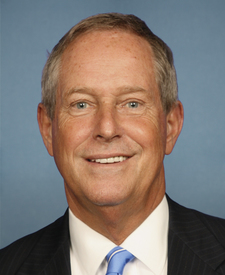
Legislative Progress
In CommitteeMr. Keating (for himself and Mr. Wilson of South Carolina) …
Referred to the House Committee on Foreign Affairs.
Introduced in House
Stakeholder Effects
cui bono?How this legislation distributes effects. Mention counts reflect frequency, not effect magnitude.
Development Finance Corporation staff, State Department regional program staff
Positive-direction: Development Finance Corporation staff
Negative-direction: State Department regional program staff
Chinese state-linked businesses, Russian state-linked businesses
Civil society organizations in participating countries
Bill Structure & Actor Mappings
Who is "The Secretary" in each section?
We use a combination of our own taxonomy and classification in addition to large language models to assess meaning and potential beneficiaries. High confidence means strong textual evidence. Always verify with the original bill text.
Learn more about our methodology