Drug Shortage Compounding Patient Access Act of 2025
Analysis under review: This bill has generated analysis that may be too generic or incomplete. Clause-level evidence remains available below.
Summary
What This Bill Does
The bill exempts pharmacy compounding exemption from individual patient prescription requirement during drug shortages, allowing limited distribution to hospitals for urgent administration, expands mandatory drug shortage reporting to include surges in demand, broadens the drug shortage definition to include demand-supply imbalance, extends reporting scope to active pharmaceutical ingredients, and creates simplifies compounding labeling requirements to a standard disclosure that the medication is compounded and not FDA-approved. It relies on regulatory standard, exemptions, and reporting requirements. The main policy areas are Healthcare.
Who Benefits and How
Compounding pharmacies (503A pharmacies) could face fewer barriers, Patients experiencing drug shortages in hospitals could see lower costs, and Patients and healthcare providers could face reduced risk.
Who Bears the Burden and How
Drug manufacturers would take on compliance duties, Active pharmaceutical ingredient (API) manufacturers would take on compliance duties, and Large pharmaceutical manufacturers could lose revenue opportunities.
Key Provisions
- Exempts pharmacy compounding exemption from individual patient prescription requirement during drug shortages, allowing limited distribution to hospitals for urgent administration.
- Expands mandatory drug shortage reporting to include surges in demand, broadens the drug shortage definition to include demand-supply imbalance, extends reporting scope to active pharmaceutical ingredients...
- Creates simplifies compounding labeling requirements to a standard disclosure that the medication is compounded and not FDA-approved.
Evidence Chain:
This summary is generated from the full bill text using AI analysis. Expand "Detailed Analysis" below for identified beneficiaries/burden bearers with clause-level evidence links.
At a Glance
What This Bill Does
The bill exempts pharmacy compounding exemption from individual patient prescription requirement during drug shortages, allowing limited distribution to hospitals for urgent administration, expands mandatory drug shortage reporting to include surges in demand, broadens the drug shortage definition to include demand-supply imbalance, extends reporting scope to active pharmaceutical ingredients, and creates simplifies compounding labeling requirements to a standard disclosure that the medication is compounded and not FDA-approved.
Key Policy Areas
Healthcare
Primary Purpose
The bill exempts pharmacy compounding exemption from individual patient prescription requirement during drug shortages, allowing limited distribution to hospitals for urgent administration, expands mandatory drug shortage reporting to include surges in demand, broadens the drug shortage definition to include demand-supply imbalance, extends reporting scope to active pharmaceutical ingredients, and creates simplifies compounding labeling requirements to a standard disclosure that the medication is compounded and not FDA-approved.
Policy Domains
Whole bill
Identified Gains
- Compounding pharmacies (503A pharmacies)
- Patients experiencing drug shortages in hospitals
- Patients and healthcare providers
- Compounding pharmacies
- Hospitals and clinical settings
Identified Costs
- Drug manufacturers
- Active pharmaceutical ingredient (API) manufacturers
- Large pharmaceutical manufacturers
- Outsourcing facilities (503B facilities)
Sponsors


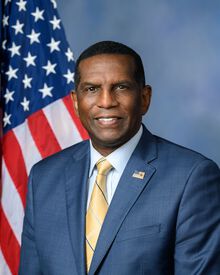
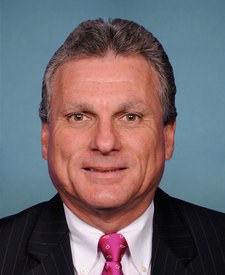
Legislative Progress
In CommitteeMrs. Harshbarger (for herself and Mr. Carter of Georgia) introduced …
Referred to the House Committee on Energy and Commerce.
Introduced in House
Stakeholder Effects
cui bono?How this legislation distributes effects. Mention counts reflect frequency, not effect magnitude.
Active pharmaceutical ingredient (API) manufacturers, Compounding pharmacies, Compounding pharmacies (503A pharmacies)
Positive-direction: Compounding pharmacies, Compounding pharmacies (503A pharmacies)
Negative-direction: Active pharmaceutical ingredient (API) manufacturers, Drug manufacturers, Large pharmaceutical manufacturers, Outsourcing facilities (503B facilities)
Hospitals and clinical settings, Patients experiencing drug shortages in hospitals
Dietary supplement ingredient suppliers
Bill Structure & Actor Mappings
Who is "The Secretary" in each section?
We use a combination of our own taxonomy and classification in addition to large language models to assess meaning and potential beneficiaries. High confidence means strong textual evidence. Always verify with the original bill text.
Learn more about our methodology