Lawsuit Abuse Reduction Act of 2025
Summary
What This Bill Does
The Lawsuit Abuse Reduction Act changes Federal Rule of Civil Procedure 11 from discretionary to mandatory sanctions. When a filing violates Rule 11(b), the court must impose an appropriate sanction rather than merely being permitted to do so. The bill removes language tied to the existing motion service and withdrawal safe-harbor process, making sanctions more immediate. It also changes the purpose of sanctions from deterrence alone to deterrence and compensation for parties injured by the violation. Courts must order payment to injured parties of reasonable expenses directly caused by the violation, including reasonable attorney fees and costs, subject to Rule 11's limitations. Courts may also strike pleadings, dismiss suits, issue nonmonetary directives, or order penalties paid to the court. A savings clause says the amendment does not bar or impair claims, defenses, remedies, or procedures under federal, state, or local law, including civil-rights and constitutional claims.
Who Benefits and How
Defendants facing frivolous filings benefit because courts must impose sanctions when Rule 11 is violated. Parties injured by abusive litigation benefit from mandatory compensation for reasonable expenses and attorney fees directly caused by the violation. Civil defense attorneys benefit because sanctions become a stronger tool against unsupported pleadings or motions. Federal judges benefit from clearer sanction authority when filings violate Rule 11 certifications.
Who Bears the Burden and How
Attorneys filing Rule 11 violations face mandatory sanctions and payment of the opposing party's reasonable expenses. Civil plaintiffs with weak factual or legal support face greater cost risk if pleadings violate Rule 11. Federal court clerks must process more sanction motions and orders if mandatory sanctions increase litigation over Rule 11. Public-interest litigators may face more aggressive sanction threats even though the savings clause preserves civil-rights and constitutional claims.
Key Provisions
- Requires federal courts to impose sanctions for Rule 11 violations.
- Requires sanctions to compensate injured parties as well as deter repetition.
- Requires payment of reasonable expenses, attorney fees, and costs directly caused by the violation.
- Authorizes additional sanctions including struck pleadings, dismissal, nonmonetary directives, and penalties paid to the court.
- Protects civil-rights and constitutional claims through a savings clause.
Evidence Chain:
This summary is generated from the full bill text using AI analysis. Expand "Detailed Analysis" below for identified beneficiaries/burden bearers with clause-level evidence links.
At a Glance
What This Bill Does
Makes Rule 11 sanctions mandatory for pleadings and motions that violate federal court certification rules, removes the withdrawal safe-harbor language, and requires compensation for injured parties' reasonable expenses and attorney fees.
Key Policy Areas
Judiciary, Civil Litigation, Legal Services
Primary Purpose
Makes Rule 11 sanctions mandatory for pleadings and motions that violate federal court certification rules, removes the withdrawal safe-harbor language, and requires compensation for injured parties' reasonable expenses and attorney fees.
Policy Domains
Resolution provisions
Identified Gains
- Defendants facing frivolous filings
- Parties injured by abusive litigation
- Civil defense attorneys
- Federal judges
Identified Costs
- Attorneys filing Rule 11 violations
- Civil plaintiffs
- Federal court clerks
- Public-interest litigators
Sponsors



Legislative Progress
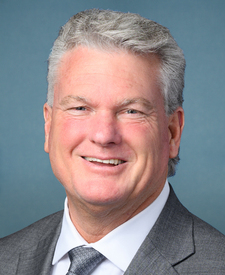
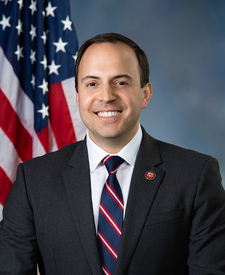
In CommitteeMr. Collins (for himself, Mr. Gill of Texas, Mr. Tiffany, …
Referred to the House Committee on the Judiciary.
Introduced in House
Stakeholder Effects
cui bono?How this legislation distributes effects. Mention counts reflect frequency, not effect magnitude.
Attorneys filing Rule 11 violations, Civil defense attorneys, Civil plaintiffs
Positive-direction: Civil defense attorneys, Defendants facing frivolous filings, Parties injured by abusive litigation
Negative-direction: Attorneys filing Rule 11 violations, Civil plaintiffs
Bill Structure & Actor Mappings
Who is "The Secretary" in each section?
We use a combination of our own taxonomy and classification in addition to large language models to assess meaning and potential beneficiaries. High confidence means strong textual evidence. Always verify with the original bill text.
Learn more about our methodology