HR5230-119

Introduced

To amend chapter 53, United States Code, to increase local bus service to levels needed to combat the climate crisis, and for other purposes.

119th Congress Introduced Sep 9, 2025

Analysis under review: This bill has generated analysis that may be too generic or incomplete. Clause-level evidence remains available below.

Summary

What This Bill Does

The "Faster Buses Better Futures Act" is a sweeping public transit expansion bill that would fundamentally reshape how federal transportation dollars are spent, prioritizing bus service over car infrastructure. It authorizes approximately $276 billion over five years (FY2026-2030) across five major programs: competitive bus network redesign grants ($250B), bus and transit facility formula grants ($20B), bus stop shelter reimbursements ($5B), station accessibility upgrades ($5B), and FTA administrative funding ($1B). The bill creates a "more options before more lanes" mandate requiring states and metropolitan planning organizations to complete all transit priority measures requested by transit providers before they can build new road capacity for single-occupancy vehicles.

Who Benefits and How

  • Public transit riders, especially in low-income and minority communities, benefit from dramatically expanded bus service, better shelters, improved accessibility, and faster, more reliable routes. The bill requires equity analyses and prioritizes areas of persistent poverty and underserved communities.
  • Transit agencies and providers gain new legal authority to compel right-of-way owners to implement transit priority measures (dedicated bus lanes, signal priority, etc.) on suitable corridors, backed by FTA enforcement.
  • People with disabilities benefit from $5 billion authorized for upgrading transit stations to meet ADA construction standards, with 90% federal cost share.
  • Bus and transit equipment manufacturers benefit from a new state cooperative procurement program for bus stop shelters, arrival-time signage, and bicycle parking infrastructure, plus massive capital spending on bus fleets and garages.
  • Transit planning consultants and construction firms benefit from the requirement that all transit recipients complete bus network redesigns by 2045 and from hundreds of billions in authorized capital projects.

Who Bears the Burden and How

  • Federal taxpayers bear the cost of approximately $276 billion in authorized appropriations over five years.
  • State and local highway departments / right-of-way owners lose discretion over road design; they must implement transit priority measures requested by transit providers or face loss of discretionary grants. They must complete transit projects before building any new vehicle capacity.
  • Automobile commuters and drivers may face reduced road capacity as rights-of-way are reallocated from general traffic to transit-only lanes, turn restrictions, and transit malls.
  • Metropolitan planning organizations face new compliance mandates, including demonstrating completion of all transit priority measures before proceeding with road capacity projects.

Key Provisions

  • Creates $250 billion competitive bus network redesign grant program requiring recipients to double transit ridership within 6 years
  • Establishes "by-right" transit priority measures allowing transit agencies to compel road owners to install bus lanes, signal priority, and transit-friendly infrastructure
  • Imposes "more options before more lanes" mandate: no new road capacity until all requested transit improvements are completed
  • Authorizes $1 billion/year for bus stop shelter reimbursement program with weather and equity standards
  • Authorizes $1 billion/year for All Stations Accessibility Program to bring older stations into ADA compliance at 90% federal share
  • Enables state cooperative procurement contracts for transit equipment
  • Authorizes $200 million/year for FTA staffing to administer the new programs
  • Requires bus network redesigns by all Section 5307 recipients by fiscal year 2045

Evidence Chain:

This summary is generated from the full bill text using AI analysis. Expand "Detailed Analysis" below for identified beneficiaries/burden bearers with clause-level evidence links.

At a Glance

What This Bill Does

Massively expand and prioritize public bus transit service nationwide by creating competitive bus network redesign grants, mandating transit priority measures on public rights-of-way, funding bus stop shelters and station accessibility upgrades, and requiring states and metropolitan planning organizations to complete transit improvements before building new car lanes.

Key Policy Areas

Transportation, Climate, Urban Planning, Disability Rights, Equity

Primary Purpose

Massively expand and prioritize public bus transit service nationwide by creating competitive bus network redesign grants, mandating transit priority measures on public rights-of-way, funding bus stop shelters and station accessibility upgrades, and requiring states and metropolitan planning organizations to complete transit improvements before building new car lanes.

Policy Domains

Transportation Climate Urban Planning Disability Rights Equity

Faster Buses Better Futures Act

Identified Gains
  • Public transit riders in urban and rural areas
  • Low-income communities and communities of color
  • People with disabilities
  • Transit agencies and providers
  • Bus and transit equipment manufacturers
  • Transit planning and construction industry
Model: N/A | Version: bill_summary_v2 | Source: ih
People with disabilities: , , , , , , , , , , , , , , , , , , , , , , , , , , , , , , , , , , , , , , , , , , , , , , , , , , , , , , , , , , , , , , , , , , , , , , , , , , , , , , , , , , , , , , , , , , , , , , , , , , , , , , , , , , , , ,
Transit agencies and providers: , , , , , , , , , , , , , , , , , , , , , , , , , , , , , , , , , , , , , , , , , , , , , , , , , , , , , , , , , , , , , , , , , , , , , , , , , , , , , , , , , , , , , , , , , , , , , , ,
Bus and transit equipment manufacturers: , , , , , , , , , , , , , , , , , , , , , , , , , , , , , , , , , , , , , , , , , , , , , , , , , , , , , , , , , , , , , , , , , , , , , , , , , , , , , , , , , , , , , , , , , , , , , , , , , , , , , , , , , , , , , , , , , , , ,
Transit planning and construction industry: , , , , , , , , , , , , , , , , , , , , , , , , , , , , , , , , , , , , , , , , , , , , , , , , , , , , , , , , , , , , , , , , , , , , , , , , , , , , , , , , , , , , , , , , , , , , , , , , , , , , , , , , , , , , , , , , , , , , , , ,
Public transit riders in urban and rural areas: , , , , , , , , , , , , , , , , , , , , , , , , , , , , , , , , , , , , , , , , , , , , , , , , , , , , , , , , , , , , , , , , , , , , , , , , , , , , , , , , , , , , , , , , , , , , , , , , , , , , , , , , , , , , , , , , , , , , , , , , , , , , , , , , , , , , , , , , , , , , , , ,
Low-income communities and communities of color: , , , , , , , , , , , , , , , , , , , , , , , , , , , , , , , , , , , , , , , , , , , , , , , , , , , , , , , , , , , , , , , , , , , , , , , , , , , , , , , , , , , , , , , , , , , , , , , , , , , , , , , , , , , , , , , , , , , , , , , , , , , , , , , , , , , , , ,
Identified Costs
  • Federal taxpayers
  • State and local highway departments
  • Automobile commuters
  • Metropolitan planning organizations
Model: N/A | Version: bill_summary_v2 | Source: ih
Federal taxpayers: , , , , , , , , , , , , , , , , , , , , , , , , , , , , , , , , , , , , , , , , , , , , , , , , , , , , , , , , , , , , , , , , , , , , , , ,
Automobile commuters: , , , , , , , , , , , , , , , , , , , , , , , , , , , , , , , , , , , , , , , , , , , , , , , , , , , , , , , , , , , , , , , , , , , , , , , , , , , , , , , , , , , , , , , , , , , , , , , , , , , , , , , , , , , , , , , , , , , , , , , , , , , , , , , , ,
Metropolitan planning organizations: , , , , , , , , , , , , , , , , , , , , , , , , , , , , , , , , , , , , , , , , , , , , , , , , , , , , , , , , , , , , , , , , , , , , , , , , , , , , , , , , , , , , , , , , , , , , , , , , , , , , , , , , , , , , , , , , , , , , , , , , , , , , , , , , ,
State and local highway departments: , , , , , , , , , , , , , , , , , , , , , , , , , , , , , , , , , , , , , , , , , , , , , , , , , , , , , , , , , , , , , , , , , , , , , , , , , , , , , , , , , , , , , , , , , , , , , , , , , , , , , , , , , , , , , , , , , , , , , , , , , , , , , , , , , , , , , , , , , , , , , , , , , , , , , , , , , , , , , , , , , , , ,

Legislative Progress

Introduced
Introduced Committee Passed
Sep 9, 2025

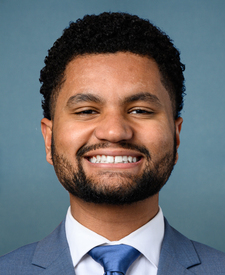
Mr. Frost introduced the following bill; which was referred to …

Stakeholder Effects

cui bono?

How this legislation distributes effects. Mention counts reflect frequency, not effect magnitude.

General Public
7 mentions across 4 clauses

Automobile commuters on affected corridors, People with disabilities using public transit, Taxpayers

Manufacturing
5 mentions across 4 clauses

Bicycle parking and charging infrastructure manufacturers, Bus manufacturers and fleet suppliers, Bus stop shelter and transit equipment vendors

Transportation
4 mentions across 4 clauses

Indian Tribes operating transit, Operators of rail fixed guideway systems built before 1990, Transit agencies (grantees and subrecipients)

Construction
3 mentions across 3 clauses

Accessibility construction contractors, Construction firms (bus garages, capital improvements), Road construction industry (highway expansion)

State & Local Government
3 mentions across 2 clauses

Metropolitan planning organizations, State and local highway/road departments (right-of-way owners), State procurement offices

Government
2 mentions across 2 clauses

Federal Transit Administration, Federal Transit Administration (regional offices)

Education
1 mention across 1 clause

University Transportation Centers

Professional Services
1 mention across 1 clause

Transit planning and engineering consultants

5/6
sections analyzed
Full impact breakdown

Bill Structure & Actor Mappings

Who is "The Secretary" in each section?

Domains
Transportation Climate Urban Planning Disability Rights Equity
Actor Mappings
"Secretary of Transportation"
→ Establishes programs, sets standards, approves or rejects submissions
"Federal Transit Administration"
→ Administers grants, adjudicates disputes between transit providers and right-of-way owners, sets bus shelter reimbursement rates
"Metropolitan planning organizations"
→ Must complete transit priority measures before building new vehicle capacity
"Transit providers / transit agencies"
→ Can request by-right transit priority measures on suitable corridors, must complete bus network redesigns
"Right-of-way owners (states, cities, counties)"
→ Must implement requested transit priority measures or face grant penalties

Key Definitions

Terms defined in this bill

7 terms
"" §formal request

"" §suitable corridors

"" §underserved community

"" §specified collaboration

"" §transit priority measures

"" §area of persistent poverty

"" §eligible bus network redesign

We use a combination of our own taxonomy and classification in addition to large language models to assess meaning and potential beneficiaries. High confidence means strong textual evidence. Always verify with the original bill text.

Learn more about our methodology