Protect Innocent Victims of Taxation After Fire Extension Act
Summary
What This Bill Does
The Protect Innocent Victims of Taxation After Fire Extension Act creates Internal Revenue Code section 139M for wildfire compensation. Gross income does not include a qualified wildfire relief payment received by or on behalf of an individual. Covered compensation includes payments for losses, expenses, or damages from a qualified wildfire disaster, including additional living expenses, lost wages not paid by the employer that otherwise would have paid them, personal injury, death, and emotional distress, but only to the extent the same losses are not compensated by insurance or otherwise. A qualified wildfire disaster is a federally declared disaster after December 31, 2014 caused by a forest or range fire. The bill denies double benefits by disallowing deductions, credits, and basis increases tied to amounts excluded from income. The exclusion applies to amounts received after December 31, 2025 and terminates for amounts received after December 31, 2032.
Who Benefits and How
Wildfire survivors receiving settlement or relief payments benefit because qualified compensation is excluded from federal gross income. Families of wildfire victims benefit when death, injury, emotional distress, living expense, or lost-wage compensation is not taxed as income. Disaster recovery attorneys benefit from clearer federal tax treatment for wildfire relief settlements. Tax preparers serving fire survivors benefit from a dedicated Code section defining covered payments and disaster scope.
Who Bears the Burden and How
IRS examiners must administer the new section 139M exclusion, termination date, and denial of double benefits. Treasury tax guidance staff must explain qualified wildfire relief payments and federally declared wildfire disasters. Federal taxpayers bear the cost of excluding qualified wildfire relief payments from taxable income. Wildfire claimants cannot also claim deductions, credits, or basis increases for expenditures covered by excluded payments.
Key Provisions
- Excludes qualified wildfire relief payments from individual gross income.
- Defines covered wildfire compensation to include living expenses, lost wages, personal injury, death, and emotional distress.
- Limits qualified wildfire disasters to federally declared forest or range fire disasters after December 31, 2014.
- Blocks double tax benefits through deductions, credits, or basis increases for excluded amounts.
- Extends the exclusion to amounts received after 2025 and before 2033.
Evidence Chain:
This summary is generated from the full bill text using AI analysis. Expand "Detailed Analysis" below for identified beneficiaries/burden bearers with clause-level evidence links.
At a Glance
What This Bill Does
Excludes qualified wildfire relief payments received after 2025 and before 2033 from individual gross income while denying double tax benefits for the same compensated losses.
Key Policy Areas
Tax, Wildfire Recovery, Disaster Relief
Primary Purpose
Excludes qualified wildfire relief payments received after 2025 and before 2033 from individual gross income while denying double tax benefits for the same compensated losses.
Policy Domains
Resolution provisions
Identified Gains
- Wildfire survivors receiving relief payments
- Families of wildfire victims
- Disaster recovery attorneys
- Tax preparers serving fire survivors
Identified Costs
- IRS examiners
- Treasury tax guidance staff
- Federal taxpayers
- Wildfire claimants
Sponsors
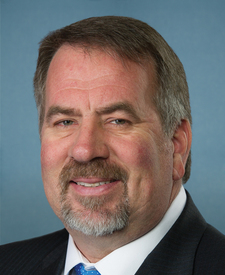




Legislative Progress
In CommitteeMr. LaMalfa (for himself, Mr. Thompson of California, Mr. McClintock, …
Referred to the House Committee on Ways and Means.
Introduced in House
Stakeholder Effects
cui bono?How this legislation distributes effects. Mention counts reflect frequency, not effect magnitude.
Wildfire survivors receiving relief payments
Bill Structure & Actor Mappings
Who is "The Secretary" in each section?
We use a combination of our own taxonomy and classification in addition to large language models to assess meaning and potential beneficiaries. High confidence means strong textual evidence. Always verify with the original bill text.
Learn more about our methodology