To reauthorize the Virginia Graeme Baker Pool and Spa Safety Act, and for other purposes.
Analysis under review: This bill has generated analysis that may be too generic or incomplete. Clause-level evidence remains available below.
Summary
What This Bill Does
The Virginia Graeme Baker Pool and Spa Safety Reauthorization Act updates and extends the original pool safety law. It expands the definition of covered entities eligible for grants to include Indian Tribes and nonprofit organizations with pool safety expertise. It restructures the swimming pool safety grant program with new priorities including first-time grantees, educational expansion, and areas with high drowning rates. It also reauthorizes the CPSC education and awareness program with 2.5 million dollars annually through 2028, adding outreach to historically disadvantaged communities with higher drowning rates.
Who Benefits and How
Indian Tribes and nonprofit organizations gain new eligibility for pool safety grants. Historically disadvantaged communities with higher drowning rates benefit from targeted educational outreach. States and local governments can receive grants for pool barrier installation, inspection programs, and drowning prevention education. Pool and spa manufacturers, service companies, and supply retailers benefit from CPSC-developed educational materials.
Who Bears the Burden and How
The Consumer Product Safety Commission bears expanded administrative responsibilities for the grant program, education program, and annual Congressional reporting. Pool and spa owners and operators face continued compliance with safety standards as a condition of their state or tribe receiving grant funds. Federal taxpayers fund the 2.5 million dollar annual education program authorization and additional grant appropriations.
Key Provisions
- Expands grant eligibility to Indian Tribes and qualified nonprofit organizations
- Restructures grant priorities: first-time grantees, educational expansion, prior expertise, and high-drowning areas
- Authorizes 2.5 million dollars annually for fiscal years 2024-2028 for CPSC education and awareness program
- Requires targeted educational materials for historically disadvantaged communities with higher drowning rates
- Mandates annual CPSC reporting to Congress on grant program effectiveness
Evidence Chain:
This summary is generated from the full bill text using AI analysis. Expand "Detailed Analysis" below for identified beneficiaries/burden bearers.
At a Glance
What This Bill Does
Reauthorizes and expands the Virginia Graeme Baker Pool and Spa Safety Act by broadening grant eligibility to include Indian Tribes and nonprofit organizations, restructuring the swimming pool safety grant program, reauthorizing the CPSC education and awareness program with targeted outreach to disadvantaged communities, and requiring annual reporting on program effectiveness.
Key Policy Areas
Consumer Safety, Public Health, Grants & Federal Aid
Primary Purpose
Reauthorizes and expands the Virginia Graeme Baker Pool and Spa Safety Act by broadening grant eligibility to include Indian Tribes and nonprofit organizations, restructuring the swimming pool safety grant program, reauthorizing the CPSC education and awareness program with targeted outreach to disadvantaged communities, and requiring annual reporting on program effectiveness.
Policy Domains
Virginia Graeme Baker Pool and Spa Safety Reauthorization Act
Identified Gains
Contextual inference, no direct clause citation- Indian Tribes (new grant eligibility)
- Nonprofit organizations with pool safety expertise
- Historically disadvantaged communities with high drowning rates
- Pool and spa safety industry (manufacturers, service companies)
Contextual inference, no direct clause citation
Identified Costs
Contextual inference, no direct clause citation- Consumer Product Safety Commission (expanded administration)
- Federal taxpayers (appropriations)
Contextual inference, no direct clause citation
Sponsors
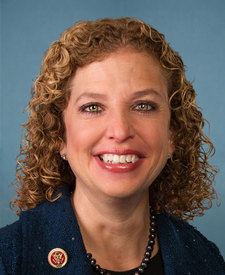
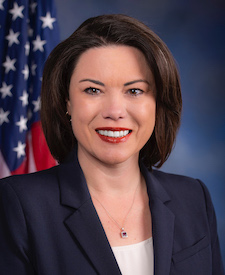
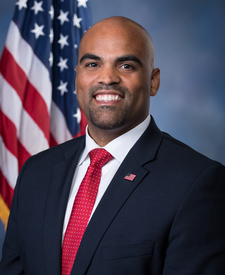
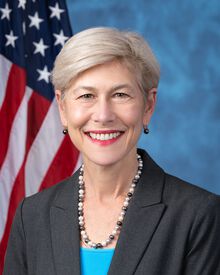

Legislative Progress
ReportedAdditional sponsor: Ms. Craig
Reported with an amendment, committed to the Committee of the …
Ms. Wasserman Schultz (for herself, Mr. Carter of Texas, Mr. …
Stakeholder Effects
cui bono?How this legislation distributes effects. Mention counts reflect frequency, not effect magnitude.
Congressional oversight committees, Consumer Product Safety Commission, Indian Tribes
Positive-direction: Congressional oversight committees, Indian Tribes
Negative-direction: Consumer Product Safety Commission
Communities with high drowning rates, Grant applicants (transparency), Historically disadvantaged communities
Nonprofit organizations with pool safety expertise, Pool safety nonprofit organizations (501c3)
Bill Structure & Actor Mappings
Who is "The Secretary" in each section?
- "the_commission"
- → Consumer Product Safety Commission (CPSC)
Key Definitions
Terms defined in this bill
An organization described in section 501(c)(3) of the IRC, exempt from taxation under 501(a), with proven experience addressing swimming pool or spa safety and drowning prevention
A State, an Indian Tribe, or a nonprofit organization
We use a combination of our own taxonomy and classification in addition to large language models to assess meaning and potential beneficiaries. High confidence means strong textual evidence. Always verify with the original bill text.
Learn more about our methodology